
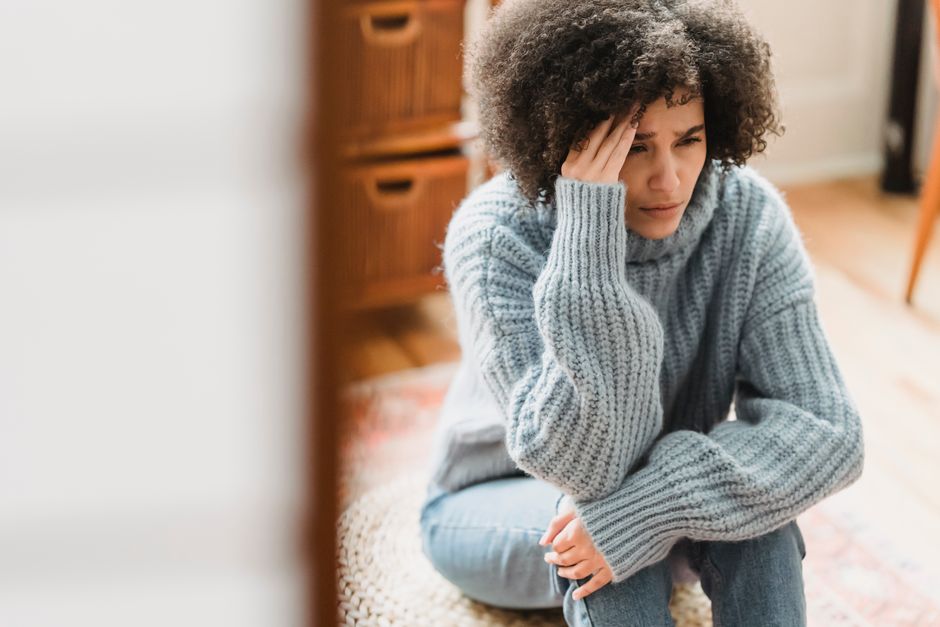
Chest pain from anxiety can be frightening. Many people fear they are having a heart attack when it happens. The fast answer is that you can often ease anxiety chest pain by using slow breathing techniques, grounding yourself, and changing your posture. These methods help calm your nervous system, which in turn reduces the physical symptoms of anxiety.
What Does Anxiety Chest Pain Feel Like?
Anxiety chest pain feels different from heart attack pain for most people. It is often sharp and stabbing, and it tends to be located in the middle of the chest rather than on the left side. The pain may shift location or change in intensity as you move or change positions.
People often describe it as a squeezing sensation, a tight band around the ribs, or a feeling of pressure that comes and goes. It can last for a few seconds or linger for hours. Unlike heart attack pain that worsens with exertion, anxiety chest pain often improves when you rest or distract yourself.
You might also notice other anxiety symptoms at the same time. These can include a racing heart, shortness of breath, sweating, trembling, or a feeling of dizziness. When these symptoms appear together, they can make the chest pain feel even more alarming.
Why Does Anxiety Cause Chest Pain?
The connection between anxiety and chest pain is real and physical. When you feel anxious, your body releases stress hormones like adrenaline and cortisol. These hormones prepare your body for danger, which is often called the fight-or-flight response.
Your heart rate increases and your blood pressure rises. Your breathing becomes faster and shallower. This combination puts extra strain on your chest muscles and can cause them to tighten. The intercostal muscles between your ribs can spasm, which produces sharp pain.
Anxiety can also cause hyperventilation, which means you breathe out too much carbon dioxide. This changes the acid balance in your blood and can cause chest tightness, tingling in the hands and feet, and muscle spasms. Understanding this mechanism helps explain why breathing exercises are so effective at relieving the pain.
How To Get Rid Of Anxiety Chest Pain Fast: Breathing Techniques
Your breathing is the fastest tool you have to calm your nervous system. When you breathe slowly and deeply, you activate the parasympathetic nervous system. This is the system that helps your body rest and recover.
Try the 4-7-8 breathing technique. Inhale through your nose for a count of four. Hold your breath for a count of seven. Exhale slowly through your mouth for a count of eight. Repeat this cycle four times. This pattern forces your body to slow down and signals to your brain that you are safe.
Diaphragmatic breathing is another effective option. Place one hand on your chest and the other on your belly. Breathe in through your nose so that your belly rises more than your chest. Exhale slowly through pursed lips. Aim for six to ten breaths per minute, which is much slower than your normal resting rate.
These techniques work best when you practice them before you feel anxious. Your body learns to associate slow breathing with calm, and the response becomes faster over time. If you only try them during a panic attack, they still help, but they may take longer to work.



Physical Ways To Relieve Anxiety Chest Pain Quickly
Changing your physical state can interrupt the cycle of anxiety and pain. These methods work by giving your brain new information that overrides the danger signals.
Change your posture. Sit up straight or stand. Slouching compresses your chest and makes it harder to breathe fully. Opening up your chest allows deeper breaths and reduces muscle tension.
Apply a cold stimulus. Splash cold water on your face or hold an ice cube in your hand. Cold activates the dive reflex, which slows your heart rate and redirects blood flow. Some people find this helps break the panic cycle quickly.
Use progressive muscle relaxation. Start at your toes and tense each muscle group for five seconds, then release. Work your way up through your legs, belly, arms, and shoulders. This technique helps your body release the tension that anxiety creates.
Move gently. Walk slowly around the room or stretch your arms overhead. Gentle movement helps your body use up the excess adrenaline that is causing your symptoms. Avoid vigorous exercise during a panic attack, as it can make your heart race more.
Grounding Techniques To Stop Panic In Its Tracks
Grounding techniques pull your attention away from the physical sensations and back to the present moment. They work because anxiety chest pain gets worse when you focus on it. Redirecting your attention reduces the intensity of the pain.
The 5-4-3-2-1 technique is simple and effective. Name five things you can see. Name four things you can touch. Name three things you can hear. Name two things you can smell. Name one thing you can taste. This exercise forces your brain to process sensory information, which interrupts the panic loop.
Another option is to hold a small object and describe it in detail. Notice its texture, weight, temperature, and color. This works best with an object that has interesting sensory qualities, like a smooth stone or a textured keychain.
Counting backward from 100 by sevens is a cognitive grounding technique. It requires enough mental effort to distract you from the physical sensations. You do not need to get the math right. The goal is simply to keep your mind busy.
When To Seek Emergency Care
You cannot always tell whether chest pain is from anxiety or something more serious. Even people who have had anxiety chest pain before should not assume every episode is benign. Some warning signs require immediate medical attention.
Seek emergency care if you have chest pain with any of these symptoms:
- Pain that spreads to your arm, jaw, neck, or back
- Shortness of breath that does not improve with slow breathing
- Cold sweats or nausea along with the pain
- Dizziness or fainting
- Pain that feels like pressure or squeezing and lasts more than a few minutes
- Pain that gets worse with physical activity
If you have risk factors for heart disease such as high blood pressure, diabetes, high cholesterol, or a family history of heart attacks, be more cautious. The same applies if you smoke or are over age 50. In these cases, it is safer to get evaluated than to assume the pain is anxiety-related.
Emergency rooms can quickly rule out a heart attack with an electrocardiogram and blood tests. If the results are normal, you can leave with more confidence that your chest pain is related to anxiety.
Long-Term Strategies To Reduce Anxiety Chest Pain
Quick relief techniques help in the moment, but they do not address the underlying anxiety. Reducing how often you experience anxiety chest pain requires long-term management of your anxiety itself.
Regular exercise is one of the most effective ways to reduce overall anxiety. Aerobic exercise like walking, swimming, or cycling helps regulate your stress response over time. It also improves your cardiovascular health, which may reduce your worry about heart problems.
Cognitive behavioral therapy helps you identify and change the thought patterns that trigger anxiety. A therapist can help you challenge catastrophic thinking, such as the belief that every chest twinge means a heart attack. This approach has strong evidence for reducing anxiety symptoms.
Limiting caffeine and alcohol can make a meaningful difference. Caffeine stimulates your nervous system and can mimic or worsen anxiety symptoms. Alcohol can disrupt sleep and increase anxiety the next day. Reducing both often leads to fewer panic episodes.
Sleep quality matters more than most people realize. Poor sleep increases your baseline anxiety and makes you more reactive to stress. Aim for consistent sleep and wake times, and address any sleep problems with your doctor.
Some people benefit from medication for anxiety. Selective serotonin reuptake inhibitors and other anti-anxiety medications can reduce the frequency and intensity of panic attacks. These require a prescription and should be discussed with a healthcare provider who knows your full medical history.
Can Anxiety Chest Pain Be Prevented?
Prevention is about reducing your overall anxiety load rather than eliminating chest pain specifically. When your baseline anxiety is lower, panic attacks happen less often and are less intense.
Learning to notice early warning signs helps. Many people experience subtle symptoms before a full panic attack, such as muscle tension, irritability, or difficulty concentrating. Catching these early and using your coping techniques can prevent the escalation to chest pain.
Regular mindfulness practice can change how your brain responds to stress. Studies have found that mindfulness meditation reduces activity in the amygdala, the brain region involved in fear responses. This means you may react less strongly to stressful situations over time.
If you experience anxiety chest pain frequently, speak with a healthcare provider. They can rule out other causes of chest pain and help you develop a treatment plan. You do not have to manage this alone, and getting professional support is a sign of good self-care, not weakness.
Frequently Asked Questions
How long does anxiety chest pain last?
Anxiety chest pain usually lasts anywhere from a few minutes to several hours. It typically resolves once your anxiety level decreases, which can be shortened with breathing techniques and grounding exercises.
Can anxiety chest pain happen every day?
Yes, some people experience anxiety chest pain daily, especially during periods of high stress. If this happens regularly, it is important to see a doctor to rule out cardiac causes and to address the underlying anxiety.
Is anxiety chest pain dangerous?
Anxiety chest pain itself is not dangerous, but it is important to rule out other causes. The pain comes from muscle tension and breathing changes, not from damage to your heart. However, you should never assume chest pain is anxiety without medical evaluation, especially if you have heart disease risk factors.
What is the fastest way to stop anxiety chest pain?
Slow diaphragmatic breathing is the fastest method for most people. Breathe in through your nose for four counts and out through your mouth for eight counts, repeating until your symptoms ease. This activates your calming nervous system response within a few minutes.
