
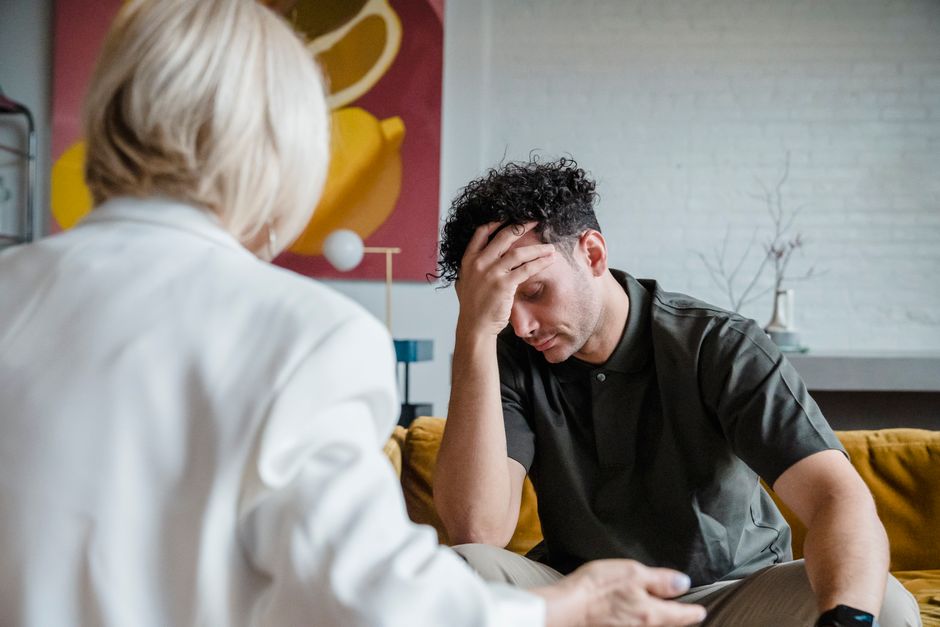
Helping someone with social anxiety starts with understanding that their fear is real, not a choice. You don’t need to fix them or push them into uncomfortable situations. The most powerful thing you can do is listen without judgment and offer steady, patient support. Social anxiety is one of the most common mental health challenges in the United States, affecting about 7% of adults in any given year according to the National Institute of Mental Health. Your role is to be a calm presence, not a therapist.
What Does Social Anxiety Actually Look Like?
Social anxiety is more than just being shy or nervous before a speech. It is an intense, persistent fear of being watched, judged, or embarrassed in everyday social situations. The Anxiety and Depression Association of America reports that social anxiety disorder typically starts around age 13, but many people struggle for years without knowing what to call it.
Someone with social anxiety might avoid parties, meetings, phone calls, or even ordering food. They may worry for days about a single conversation. Physically, they might experience a racing heart, sweating, trembling, or a feeling of choking when faced with social situations. These are not signs of weakness. They are physical responses to a brain that perceives social interaction as a threat.
You cannot see social anxiety from the outside. Many people with it appear calm and put-together while feeling terrified inside. This makes it hard for friends and family to recognize how much they are struggling. If someone tells you they feel anxious in social settings, believe them.
How to Help Someone with Social Anxiety Without Making It Worse
The most common mistake people make is trying to “fix” the anxiety by pushing the person into feared situations. This approach, sometimes called flooding, can backfire badly. Research published in the journal Behaviour Research and Therapy has found that forced exposure without proper preparation can make social anxiety worse, not better.
Instead, focus on being a safe person. Here are practical steps that work:
- Ask what they need. Do not assume. Some people want you to stay close during a social event. Others need you to make an excuse so they can leave early. Let them tell you.
- Do not minimize their fear. Saying “just relax” or “it is no big deal” tells them their feelings are wrong. Instead, say something like “I can see this is really hard for you.”
- Offer specific, low-pressure invitations. Instead of “come to the party,” try “I am getting coffee at 10 AM tomorrow. You can come or not, no pressure.” This gives them control.
- Be patient with cancellations. People with social anxiety often cancel plans at the last minute. They are not being flaky. The fear just got too big. Let them know it is okay.
One non-obvious insight: many people with social anxiety actually want to go to events. They just need a clear escape plan and someone who understands they might need to leave early. Offering a ride and agreeing on a signal for “I need to go now” can make all the difference.
What the Research Says About Supporting Social Anxiety
The strongest evidence for treating social anxiety disorder is cognitive-behavioral therapy, or CBT. The American Psychological Association lists CBT as a first-line treatment with strong research support. CBT helps people identify the distorted thoughts driving their anxiety and gradually face feared situations in a structured way.
Medication can also help. Selective serotonin reuptake inhibitors (SSRIs) like sertraline and paroxetine are approved by the FDA for social anxiety. A large study in the Journal of Clinical Psychiatry found that about 50 to 60 percent of people with social anxiety respond well to medication, though it often takes several weeks to work.
What about support from friends and family? Research is less clear on this. Some studies suggest that having a supportive partner or friend can reduce symptoms over time. But the quality of support matters. Criticism, pressure, and invalidation make things worse. Warm, accepting, and non-judgmental support seems to help most.
One thing the research is clear on: social anxiety does not go away on its own. Without treatment, it tends to persist for years or decades. That does not mean you need to force someone into therapy. But gently encouraging professional help when they are ready is a real gift.
-
 How to Prove Anxiety for Va Disability? A Simple Guide That Helps
 -
How to Get Over Relationship Anxiety? A Simple Guide That Helps
-
Do I Have Social Anxiety Quiz? Everything You Need to Know
-
Why Does Liking Someone Give Me Anxiety? Why It Happens
-
The Brain Song Review 2026 | Real Results or Overhyped?





What to Avoid When Helping Someone with Social Anxiety
There are several well-meaning actions that can actually harm your efforts to help someone with social anxiety. Avoid these common traps:
| Action to Avoid | Why It Hurts |
|---|---|
| Telling them to “just get over it” | Implies their struggle is a choice or character flaw |
| Surprising them with social plans | Removes their sense of control and preparation time |
| Speaking for them in conversations | Can feel humiliating and reinforces their belief they cannot manage |
| Making jokes about their anxiety | Even gentle teasing can feel like betrayal |
| Comparing them to others | “Your brother loves parties” adds shame, not motivation |
Also avoid trying to be their therapist. You are not trained to treat social anxiety, and playing that role can strain your relationship. Your job is to be a friend or family member. Let professionals handle the treatment. If you notice their anxiety is getting worse or they mention thoughts of self-harm, encourage them to call 988, the Suicide and Crisis Lifeline.
How to Encourage Professional Help Gently
Bringing up therapy can feel awkward. You do not want to seem like you are criticizing them. But avoiding the topic can leave them suffering alone. The key is to frame it as support, not a demand.
Try using “I” statements. Say something like “I have noticed you seem really stressed about social situations lately. I read that therapy can help with that. Would you ever consider talking to someone?” This puts the idea on the table without pressure.
You can also offer practical help. Offer to help them find a therapist who specializes in anxiety. The Anxiety and Depression Association of America has a search tool for therapists. Offer to drive them to the first appointment or sit in the waiting room. Small acts of logistical support can remove barriers that feel huge to someone with social anxiety.
If they say no, respect it. Pushing too hard can make them defensive. Leave the door open. You can say “Okay, just know I am here if you ever change your mind.” Sometimes people need to hear the offer several times before they are ready to act.
One more thing: therapy works best when the person wants to be there. Forcing someone into treatment rarely helps. If they are not ready, focus on being a supportive presence in their life. That alone can make a real difference over time.
Common Misconceptions About Social Anxiety
There is a lot of bad information out there. Let me clear up a few of the most common myths.
Myth: Social anxiety is just extreme shyness. Shyness is a personality trait. Social anxiety is a diagnosable disorder that interferes with daily life. People with social anxiety may avoid jobs, relationships, and basic activities like grocery shopping because of their fear. Shyness does not cause that level of impairment.
Myth: Alcohol helps with social anxiety. Some people report that drinking reduces their anxiety in social situations, and this is widely claimed. But strong evidence is limited, and the risks are real. Alcohol can lead to dependence, and it often makes anxiety worse once it wears off. The National Institute on Alcohol Abuse and Alcoholism warns against using alcohol to cope with anxiety disorders.
Myth: Social media is good practice for social anxiety. As of 2026, there is no clinical evidence that scrolling through Instagram or TikTok helps social anxiety. In fact, research published in the Journal of Social and Clinical Psychology has found that heavy social media use is linked to increased social anxiety and loneliness. Real-life, face-to-face interaction is what helps, not screens.
Myth: You can cure social anxiety by yourself. Some people do improve with self-help strategies like deep breathing or gradual exposure. But for moderate to severe social anxiety, professional treatment is usually needed. This is not a failure. It is the same as seeing a doctor for a broken leg.
Frequently Asked Questions
How do I start a conversation with someone who has social anxiety?
Keep it simple and low-pressure. Ask an open-ended question about something neutral, like a shared interest or a recent movie, and give them time to respond without rushing.
Can social anxiety go away without treatment?
It is possible for mild symptoms to improve, but for most people social anxiety persists without treatment. Therapy and sometimes medication are the most effective ways to see lasting change.
What should I say when someone with social anxiety cancels plans?
Say something like “No problem at all. We can try again another time.” This reassures them that you are not upset and that the door remains open.
Is it okay to touch or hug someone with social anxiety to comfort them?
Always ask first. Some people find physical touch soothing, but others find it overwhelming. A simple “Would a hug help?” gives them control over their comfort.
