
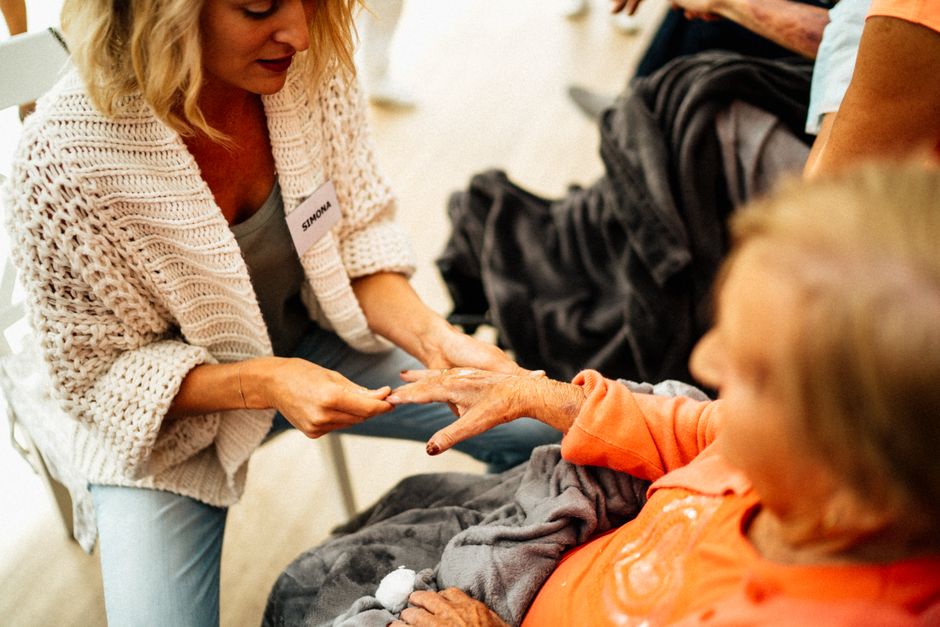
Hospice care focuses on comfort and quality of life when a cure is no longer the goal. The people who help most are often family members and friends, not medical staff. You can help by learning what the hospice team does, keeping your loved one clean and comfortable, managing small symptoms, and simply being present. Small acts of care matter more than grand gestures.
What Is Hospice Care and Who Is On the Team?
Hospice is a model of care for people with a life-limiting illness who are expected to live months, not years. The focus shifts from treating the disease to treating the person. That means managing pain, breathlessness, nausea, anxiety, and other symptoms. It also means supporting the family.
In the United States, hospice is most often provided at home. It can also happen in a hospice facility, a nursing home, or a hospital palliative unit. A typical hospice team includes:
- A physician or medical director who oversees the care plan
- Registered nurses who visit regularly and are on call around the clock
- Certified nursing assistants who help with bathing, dressing, and repositioning
- A social worker who helps with practical and emotional needs
- A chaplain or spiritual counselor, if the family wants one
- Trained volunteers who can sit with the patient or run errands
One thing families often do not realize: hospice nurses are reachable by phone at any hour. If you are unsure whether a symptom is normal or an emergency, call. That is what the on-call line is for. You are not bothering anyone.
Hospice is not the same as giving up. It is a different set of goals. Many families say the shift actually brings relief, because the pressure to pursue treatments that were not helping is lifted.
How Do You Keep a Hospice Patient Physically Comfortable?
Physical comfort comes down to a few basics: skin, mouth, position, and temperature. These are things family members can do without medical training.
Mouth care. Dry mouth is one of the most common and most distressing symptoms near the end of life. It happens because people drink less, breathe through the mouth, and take medications that reduce saliva. Moisten the lips and mouth with a damp sponge, a soft cloth, or small sips of water if swallowing is safe. Lip balm helps. Some hospice teams use artificial saliva products. Ask the nurse what they recommend.
Skin care. The skin becomes fragile and slow to heal. Keep it clean and dry. Change position at least every couple of hours if the person cannot move themselves. This helps prevent pressure sores, which are painful and can become infected. Check the heels, tailbone, hips, and shoulders, since those areas take the most pressure.
Temperature. Many dying people feel cold even when the room is warm, because circulation is slowing. A light blanket works better than a heavy one, which can feel like a weight. Hands and feet may look mottled or bluish. This is a normal part of the body slowing down, not a sign of pain.
Breathing. You may notice changes in breathing patterns. There can be long pauses, then a deeper breath. There may be a rattling or gurgling sound, sometimes called a “death rattle.” It sounds worse than it feels. The person is usually not aware of it. Repositioning or raising the head of the bed can sometimes ease it. A hospice nurse can advise on other measures.
How Do You Manage Pain and Other Symptoms at Home?
Pain control is the hospice team’s job, but family members are the eyes and ears. You will often notice discomfort before anyone else does.
Watch for signs that are not always spoken. Grimacing, guarding a body part, restlessness, moaning, or pulling away when touched can all signal pain. So can a sudden change in mood or behavior. People with dementia may not be able to describe pain at all, so behavior is the main clue.
If you think someone is in pain, tell the nurse. Do not wait for the next scheduled visit. Hospice medications are typically given on a schedule, with extra doses available for breakthrough pain. If those extra doses are being used often, the plan probably needs adjusting. That is normal and expected.
Two common fears get in the way here. The first is fear of addiction. In someone at the end of life, this is not the concern it would be for other patients. The goal is comfort. The second is fear of hastening death. Used appropriately for symptom control, pain medication is intended to relieve suffering, not to end life. If you have questions about this, ask the hospice physician directly. It is a fair question and deserves a clear answer.
Other symptoms the team can help with include nausea, constipation, anxiety, and agitation. Constipation is very common, partly because of reduced activity, reduced intake, and some pain medications. Report it early rather than waiting.





What Emotional and Spiritual Support Helps Most?
Presence matters more than words. You do not need to find the right thing to say. Sitting quietly, holding a hand, or reading aloud often means more than conversation.
People near the end of life sometimes seem to withdraw. They may sleep more, speak less, or seem to be in another place. This is a normal part of dying for many people. It is not rejection. You can still be there.
Hearing is often thought to be one of the last senses to fade. Whether that is precisely true is hard to study directly, but it is a common clinical observation. Either way, speaking to the person as if they can hear you is a reasonable and kind approach. Avoid discussing upsetting matters at the bedside. Step into another room if you need to talk about logistics or difficult decisions.
Let the person lead, when they can. Some people want to talk about dying. Some want to talk about ordinary things. Some want silence. Follow their cues.
If the person has spiritual or religious needs, the hospice chaplain can help, or you can contact their own faith leader. This kind of support is not a side issue. For many families, it is central.
How Do You Support the Family and Yourself?
Caregivers burn out. This is not a personal failing. It is what happens when one person carries too much for too long.
Accept help when it is offered, and be specific about what you need. “Can you sit with her Tuesday afternoon?” is easier for people to say yes to than “Let me know if you can help.” Friends and family often want to help but do not know how.
Use the hospice volunteers. They are trained and they are there for exactly this reason. A volunteer can stay with the patient while you sleep, shower, or leave the house.
Watch for signs of your own exhaustion: trouble sleeping, irritability, feeling numb, or getting sick more often. Tell the hospice social worker. They support the whole family, not just the patient.
If there are unresolved family conflicts, the end of life can bring them to the surface. This is common. A social worker or counselor can help, and it is worth asking early rather than late.
What Happens in the Final Days?
Knowing what to expect can reduce fear. In the last days, many people show a similar pattern. They sleep most of the time and are hard to wake. They eat and drink very little. Urine output drops. Breathing patterns change. Hands and feet may feel cool. Skin may look mottled.
Reduced eating and drinking is one of the hardest things for families to accept. It is often part of the dying process itself, not something you are causing. Forcing food or fluids can cause choking, discomfort, or fluid buildup. Ask the hospice nurse what is appropriate for your loved one specifically.
You do not have to be certain what is happening. Call the hospice team when something changes. They have seen it many times and can tell you whether it is expected or whether they need to come.
One practical note: many hospice programs have a plan for what to do at the moment of death, including who to call. Ask about this before it happens, so you are not figuring it out in the middle of grief.
Frequently Asked Questions
Can I still help care for my loved one in hospice?
Yes. Family members often provide most of the day-to-day comfort care, such as mouth care, repositioning, and companionship. The hospice team guides you and handles medical needs.
Is it normal for a hospice patient to stop eating and drinking?
Yes, reduced intake is common as the body slows down near the end of life. Forcing food or fluids can cause discomfort, so ask the hospice nurse what is right for your loved one.
What should I do if I think my loved one is in pain?
Call the hospice nurse right away, even if it is not a scheduled visit time. Signs like grimacing, restlessness, or moaning can mean pain, and the care plan can usually be adjusted.
How do I take care of myself while caregiving?
Accept specific offers of help and use hospice volunteers so you can rest. Tell the hospice social worker if you feel exhausted, numb, or overwhelmed, since they support the whole family.
