
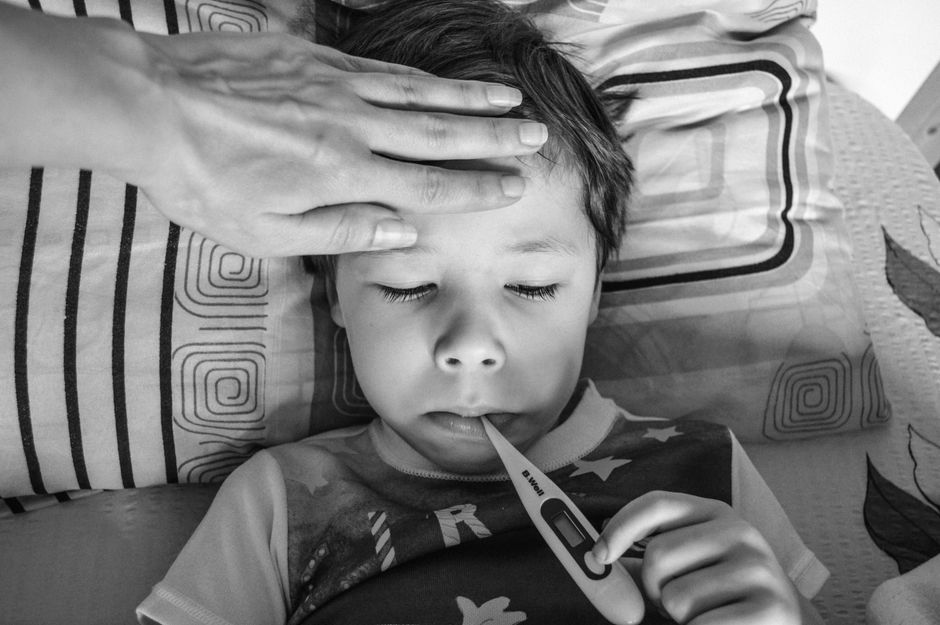
A baby with a cold is one of the most common things parents face in the first year, and it is also one of the most worrying. The good news: there is no medicine that cures the common cold, but there is a lot you can do at home to keep your baby comfortable, hydrated, and breathing more easily while their immune system clears the infection. Most babies get better on their own within one to two weeks, and the main job at home is comfort, fluids, and watching for signs that something more serious is going on.
How To Help A Sick Baby With A Cold At Home?
Home care for a baby’s cold comes down to four things: keeping the nose clear, keeping fluids going in, keeping your baby rested, and watching closely for warning signs. None of these shorten the cold itself. They reduce how miserable your baby feels while it runs its course.
Colds in infants are caused by viruses, most often rhinovirus. Antibiotics do nothing against viruses, so they are not part of routine cold care. What actually helps is supporting your baby’s body while it fights the infection off.
Here is what most pediatric guidance supports:
- Saline nose drops followed by gentle suction to clear mucus, especially before feeding and sleep
- Extra fluids — more frequent breastfeeding or formula feeds
- Cool-mist humidifier in the room to keep air moist
- Rest — let your baby sleep as much as they want
- Close monitoring for breathing trouble, dehydration, or fever patterns that need a doctor
What does not help, and can be dangerous: over-the-counter cold and cough medicines for babies. These are not recommended for children under two, and several ingredients have caused serious harm in infants. Honey is also off-limits for babies under one year because of the risk of infant botulism.
How Do I Clear A Baby’s Stuffy Nose Safely?
A blocked nose is the main reason babies with colds struggle to feed and sleep. Babies are obligate nose breathers for the first several months, meaning they rely on breathing through their nose. When it is congested, everything gets harder.
Saline drops or spray soften dried mucus. Use them a few minutes before feeding or sleep. Then use a bulb syringe or a nasal aspirator to gently remove what loosens. Do not suction too often or too aggressively — the lining inside the nose is delicate and over-suctioning can cause irritation and more swelling.
A cool-mist humidifier can help keep mucus thinner, especially in dry indoor air. Clean the humidifier regularly. Dirty humidifiers can grow mold and bacteria and blow them into the air.
Elevating the head of the crib is sometimes suggested, but this is not considered safe for infants because of the risk of the baby sliding down and blocking their airway. Instead, hold your baby upright for a while after feeds and during awake time to help drainage.
How Much Should A Sick Baby Drink?
Hydration matters more than almost anything else when a baby has a cold. Babies lose extra fluid through a runny nose, fever, and faster breathing. They also often eat less because they cannot breathe well while feeding.
Offer more frequent feeds, not bigger ones. A congested baby may need to stop and breathe several times during a feed. Short, frequent feeds usually work better than long ones. If your baby is breastfed, you can offer the breast more often. If formula-fed, offer smaller amounts more frequently.
Signs of dehydration to watch for:
- Fewer wet diapers than usual
- Dry mouth or lips
- No tears when crying
- Sunken soft spot on the head (in young infants)
- Unusual sleepiness or fussiness
If you notice any of these, call your baby’s doctor. Dehydration in infants can worsen quickly.





When Should A Baby With A Cold See A Doctor?
Most colds do not need a doctor visit. But some symptoms mean you should call right away, and some mean you should call within a day.
Call emergency services or go to the emergency room if your baby:
- Has trouble breathing — nostrils flaring, ribs pulling in with each breath, grunting sounds
- Has blue or gray lips, tongue, or face
- Is hard to wake up or is unusually limp
- Has a seizure
Call your baby’s doctor the same day if your baby:
- Is under three months old and has any fever of 100.4°F (38°C) or higher
- Has a fever that lasts more than a few days or keeps coming back
- Is not drinking enough or has fewer wet diapers
- Seems to be getting worse instead of better after about a week
- Has a cough that keeps getting worse or makes a whistling sound
- Pulls at one ear and cries — this can signal an ear infection, which is a common complication of colds in babies
The three-month fever rule is not a suggestion. Young infants have immature immune systems, and a fever in this age group needs medical evaluation even if your baby seems otherwise fine.
Can I Give A Baby Cold Medicine?
No. Over-the-counter cold and cough medicines are not recommended for children under two years old. This is not a cautious suggestion — it is a firm position from pediatric authorities based on real harm. These products have caused serious side effects in infants, including rapid heart rate, drowsiness, and in rare cases death.
This includes combination cold syrups, decongestants, antihistamines, and cough suppressants. Do not use them, even in small amounts, without a doctor telling you to.
Fever reducers are different. Acetaminophen and ibuprofen are sometimes used in babies for fever and discomfort, but the dose depends on your baby’s weight, and ibuprofen is not given to babies under six months. Always confirm the dose with your baby’s doctor before giving any medication to an infant.
Honey is a common home remedy for cough in older children and adults. It is not safe for babies under one year old because of the risk of infant botulism, a rare but serious illness.
How Long Does A Baby Cold Last?
Most colds in babies last about one to two weeks. Symptoms often peak around day three to five and then slowly improve. A cough can linger for a couple of weeks after other symptoms clear. That is normal and does not usually mean anything is wrong.
What matters more than the exact number of days is the pattern. A cold that seems to be improving and then suddenly gets worse — especially with a new fever or ear pain — may mean a secondary infection like an ear infection or, less commonly, pneumonia. Those need a doctor.
If your baby was born premature, has a heart or lung condition, or has a weakened immune system, call your doctor earlier. The threshold for evaluation is lower for these babies.
What About Sleep And Comfort?
Sick babies need more sleep, not less. Do not try to keep your baby awake during the day in the hope they will sleep better at night. They will not, and they need the rest.
If your baby is fussy and cannot settle, holding them upright and calm can help. Skin-to-skin contact can be soothing for both of you. Room temperature around 68 to 72°F is generally comfortable, and light clothing is safer than heavy blankets, which are a suffocation risk for infants.
Keep the crib free of pillows, blankets, and stuffed animals. This is true whether your baby is sick or well. A sleep sack is a safe alternative to a blanket.
You will not spoil a sick baby by holding them more. Do what helps them rest.
Can A Cold Be Prevented?
Cold viruses spread through droplets from coughing and sneezing and through hands touching contaminated surfaces. You cannot eliminate the risk, but you can reduce it.
- Wash your hands often, especially before handling your baby
- Keep your baby away from people who are visibly sick
- Avoid crowded indoor spaces during cold and flu season when possible
- Clean frequently touched surfaces and toys
- Ask visitors to wash their hands before holding your baby
Breastfeeding is associated with fewer and less severe respiratory infections in infants, though it does not prevent all colds. The protection is real but partial.
There is no vaccine for the common cold. The flu vaccine is recommended for babies six months and older, and it prevents influenza, not colds. Influenza can look like a cold at first but tends to hit harder and faster.
Frequently Asked Questions
Can I give my baby honey for a cough?
No. Honey is not safe for babies under one year old because of the risk of infant botulism. For babies over one year, honey is sometimes used for cough, but check with your doctor first.
How do I know if my baby’s cold is serious?
Watch for trouble breathing, blue lips, unusual sleepiness, or signs of dehydration like fewer wet diapers. Any of these means call your doctor or go to the emergency room right away.
Should I take my baby to the doctor for a cold?
Most colds do not need a doctor visit. Call your doctor if your baby is under three months old with any fever, is not drinking, seems to be getting worse, or has symptoms lasting more than two weeks.
Can a baby’s cold turn into something worse?
Yes. Ear infections and, less often, pneumonia can develop after a cold. A cold that suddenly worsens with a new fever or ear pain should be checked by a doctor.
