
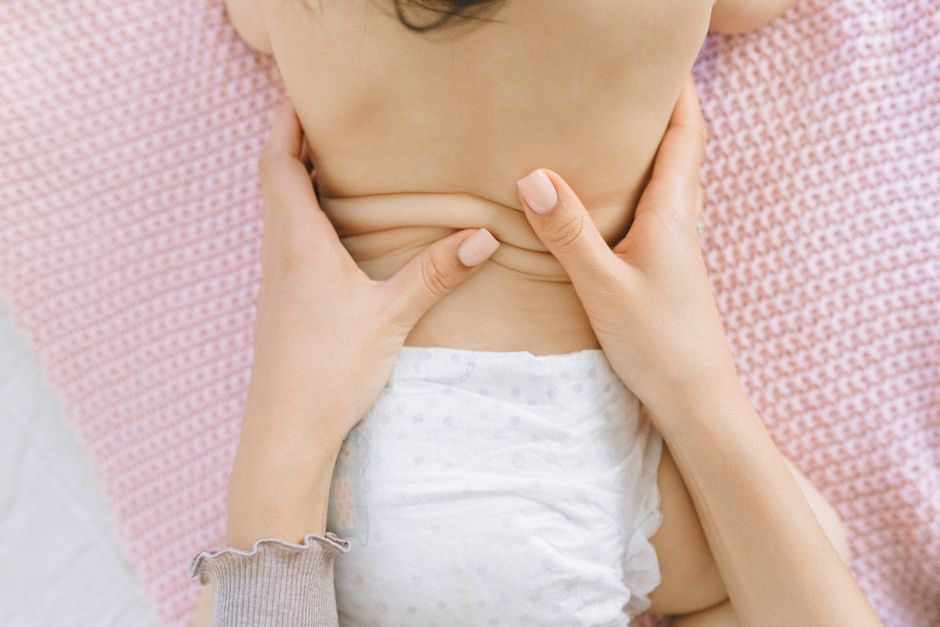
Baby hiccups look uncomfortable, but they rarely bother the baby as much as they bother you. Most babies hiccup several times a day, and the episodes usually stop on their own within 5 to 10 minutes. The best way to help is to keep the baby calm and try a few gentle techniques. Burp the baby, offer a pacifier, or give a short feeding break. If the hiccups continue, wait them out. They are almost always harmless and do not require any treatment.
Why Do Babies Get Hiccups?
Hiccups happen when the diaphragm — the large muscle below the lungs — spasms suddenly. The spasm forces air out of the lungs through the vocal cords, which snap shut and make the “hic” sound.
In babies, this muscle is still developing. It is easily irritated by a full stomach, swallowed air, or a sudden change in stomach size. Newborns and infants under one year old hiccup more often than older children for this simple reason. Their digestive systems are small, and they feed frequently, which means their stomachs expand and contract many times a day.
Some research suggests hiccups may help babies regulate their breathing and digestion. That does not mean you should ignore them, but it does mean the reflex is normal and not a sign of a problem.
Step by Step Instructions to Stop Baby Hiccups
If your baby is hiccuping and seems bothered, try these steps in order. Stop each method if the baby becomes upset. A calm baby is more likely to stop hiccuping than a stressed one.
- Step 1: Burp the baby. Hold your baby upright against your chest with their chin resting on your shoulder. Gently pat or rub their back for a few minutes. This releases trapped air that may be pressing on the diaphragm.
- Step 2: Offer a pacifier. Sucking can help relax the diaphragm and reset the breathing rhythm. If your baby does not take a pacifier, try a clean finger for them to suck on.
- Step 3: Take a feeding break. If you are feeding, pause for a few minutes. Let the baby rest upright before continuing. A too-full stomach can trigger more spasms.
- Step 4: Give a small amount of gripe water. Some parents use gripe water for hiccups. The evidence for it is limited, but it is generally considered safe in the recommended dose for babies over two weeks old. Check the label and follow the dosing instructions exactly.
- Step 5: Wait. Most hiccup episodes stop within 10 minutes without any intervention. If your baby is not distressed, simply let the hiccups run their course.
Do not startle the baby, pull their tongue, or press on their eyeballs. These old remedies are not safe and do not work. Do not give water to a baby under six months old. Their kidneys cannot handle it, and it can interfere with feeding.
What Not to Do When a Baby Has Hiccups
Some common adult remedies are dangerous for babies. Scaring a baby does not stop hiccups — it just makes them cry. Holding a baby upside down or pressing on the soft spot on their head can cause injury.
Do not give honey to a baby under one year old. Honey can contain bacteria that cause infant botulism, a serious illness. Do not give any over-the-counter hiccup medication to a baby. No medication is approved for infant hiccups, and the risks outweigh any potential benefit.
If you are breastfeeding, you do not need to change your diet. There is no reliable evidence that specific foods in a mother’s diet cause hiccups in breastfed babies.





When Should You Worry About Baby Hiccups?
Hiccups alone are almost never a reason to call a doctor. But there are a few situations where hiccups deserve attention.
If hiccups last longer than a few hours or happen constantly throughout the day, mention it at your next pediatrician visit. Frequent hiccups can sometimes be a sign of gastroesophageal reflux, commonly called GER. Babies with GER may also spit up often, arch their back during feeds, or seem uncomfortable after eating.
If your baby has hiccups along with a fever, trouble breathing, a bluish color around the lips, or unusual lethargy, seek medical care promptly. These symptoms are not caused by hiccups themselves, but they can indicate an underlying illness.
Very rarely, persistent hiccups can be linked to neurological issues or metabolic problems. This is extremely uncommon. In most cases, frequent hiccups are simply a normal part of early development that improves as the baby grows.
Do Hiccups Hurt Babies?
There is no good evidence that hiccups cause pain in babies. Many babies sleep right through them. Others continue playing or feeding without any sign of distress.
If your baby cries during hiccups, the crying is usually about something else — hunger, a wet diaper, or fatigue. Check for other causes of discomfort before assuming the hiccups are the problem.
Some parents worry that hiccups interfere with breathing. They do not. Hiccups are a brief spasm of the diaphragm, not an airway blockage. The baby continues to breathe normally between hiccups.
How to Prevent Baby Hiccups
You cannot fully prevent hiccups in a baby, but you can reduce how often they happen. The main trigger is a stomach that fills too quickly or contains too much air.
Feed your baby in a more upright position. This reduces the amount of air swallowed during feeding. Burp your baby halfway through a feed, not just at the end. This releases air before it builds up and presses on the diaphragm.
If you bottle-feed, check the nipple flow. A nipple that delivers milk too fast can cause a baby to gulp air. If the milk drips out of the nipple when you turn the bottle upside down, the flow is too fast. If you breastfeed, make sure the baby has a good latch so they are not sucking in air around the nipple.
Paced feeding — letting the baby pause regularly during a bottle feed — can also help. This gives the baby time to swallow what is in their mouth before more milk arrives.
When Do Babies Outgrow Hiccups?
Most babies outgrow frequent hiccups by the time they are six months to one year old. This happens as the diaphragm matures and the digestive system grows larger.
Hiccups do not completely disappear. Older children and adults still get them from time to time. But the daily episodes that many newborns experience become less frequent as the first year progresses.
There is no need to wait for a specific milestone. Until the hiccups stop on their own, use the gentle methods described above and remember that this is a normal part of infant development.
Frequently Asked Questions
How long do baby hiccups usually last?
Most episodes last between 5 and 10 minutes. If hiccups continue for hours without stopping, mention it to your pediatrician.
Can I give my baby water for hiccups?
No. Water is not safe for babies under six months old and does not reliably stop hiccups. Stick to burping, a pacifier, or a feeding break.
Are hiccups a sign of reflux in babies?
Frequent hiccups can be a sign of reflux, especially if the baby also spits up often or seems uncomfortable after feeds. Hiccups alone are usually normal and not a cause for concern.
Should I wake a sleeping baby to treat hiccups?
No. If the baby is sleeping peacefully, leave them alone. Hiccups do not harm sleeping babies and will stop on their own.
