
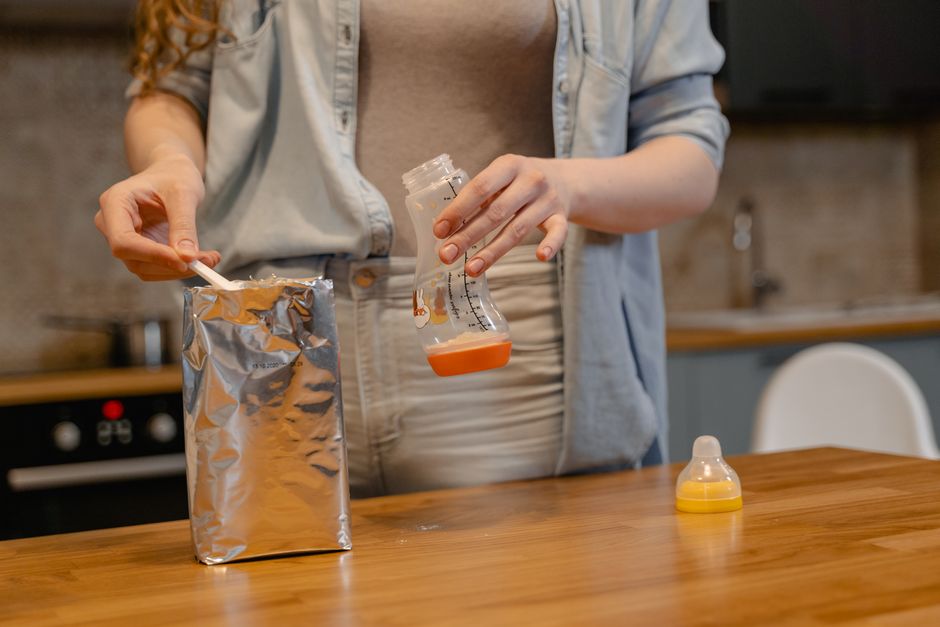
Heating a baby bottle safely comes down to one simple rule: warm it evenly and test the temperature before feeding. The safest methods are placing the bottle in a bowl of warm water or using a bottle warmer. Both heat milk gently without creating hot spots that can burn a baby’s mouth. Microwave ovens are not safe for heating baby bottles. They heat unevenly and can create scalding pockets of liquid even when the bottle feels cool to the touch.
Why Microwave Heating Is Dangerous for Baby Bottles
Microwaves heat liquids from the inside out and do so unevenly. A bottle that feels warm on the outside can still contain a pocket of near-boiling milk in the middle. This is a documented burn hazard.
The plastic itself is another concern. Many baby bottles are made of polypropylene or other plastics that may not be labeled microwave-safe. Heating plastic in the microwave can cause chemicals to leach into the milk. The American Academy of Pediatrics advises against microwaving baby bottles for these reasons.
Even BPA-free plastics are not automatically safe to microwave. BPA-free means the bottle lacks one specific chemical, but other additives may still migrate into liquid when heated. The safest approach is to avoid the microwave entirely.
The Warm Water Bath Method: Simple and Reliable
This is the method most pediatricians recommend. Fill a bowl or clean container with warm tap water. The water should feel warm but not hot to your wrist — roughly body temperature.
Place the sealed bottle in the water. Let it sit for a few minutes. Swirl or gently shake the bottle halfway through to distribute the heat evenly.
Do not use boiling water. Boiling water can damage the milk’s nutrients and can overheat the bottle quickly. It also creates a risk of the bottle bursting or leaking when you pick it up.
Warm tap water works because it heats gradually. The milk warms from the outside in, which keeps the temperature consistent throughout the bottle. This method takes about 5 to 10 minutes depending on the starting temperature of the milk and the size of the bottle.
Using a Commercial Bottle Warmer
Bottle warmers are designed for this exact purpose. They use water or steam to heat the bottle gently and evenly. Most models have a timer or automatic shutoff.
Bottle warmers are convenient because they heat faster than a bowl of warm water — usually in 2 to 5 minutes. Some models can hold the bottle at a steady temperature until you are ready to feed.
Follow the manufacturer’s instructions for your specific model. Different warmers use different amounts of water and have different heating times. Overfilling the water reservoir can make the bottle too hot. Underfilling can leave the milk lukewarm.
One limitation: bottle warmers can vary in accuracy. Some models run hotter than others. Always test the milk temperature before feeding, even if the warmer has an automatic shutoff.



How to Test the Temperature Correctly
Shake the bottle well after heating. This is not optional — it is the step that prevents hot spots.
Then test the milk on the inside of your wrist or the back of your hand. The milk should feel lukewarm, not hot. If you cannot feel a clear temperature difference between the milk and your skin, it is close to body temperature, which is ideal.
Your mouth is not a reliable temperature tester. The skin on your lips is thinner and less sensitive to heat than the skin on your wrist. Many parents have mistakenly served overheated milk because it felt fine on the lips.
If the milk is too hot, let it cool for a minute or two, then test again. Do not put the bottle in the refrigerator to cool it quickly — the rapid temperature change is unnecessary and can make the milk dangerously cold in spots.
Can You Heat Formula and Breast Milk the Same Way?
Yes, but breast milk has one extra consideration. Heating breast milk in boiling water or a very hot warmer can destroy some of its beneficial antibodies and enzymes. These immune factors are heat-sensitive.
Warm water baths and bottle warmers set to low or medium heat are safe for breast milk. The key is avoiding high heat. If the bottle feels too hot to hold comfortably, the milk has likely been heated too aggressively.
Formula does not have this concern. The proteins and nutrients in formula are more heat-stable. Still, the same testing rules apply — shake well and test on your wrist.
Never refreeze breast milk that has been thawed and warmed. Once breast milk is thawed, it should be used within 24 hours. If your baby does not finish the bottle, discard the leftover milk.
What About Running the Bottle Under Hot Tap Water?
Running the bottle under hot tap water works, but it is less efficient than a water bath. The water runs off the bottle quickly, so less heat transfers to the milk. You may run the tap for several minutes before the milk warms.
This method is acceptable in a pinch. It is not dangerous as long as the tap water is not scalding. The same wrist-test rule applies.
The bigger issue is waste. Running hot water for several minutes uses a lot of water and energy. A bowl or bottle warmer is more practical for daily use.
How Long Can a Warmed Bottle Sit Out?
Once a bottle is warmed, it should be used within about 1 to 2 hours. Bacteria can grow in warm milk.
If your baby does not finish the bottle, discard the remainder. Saliva from the baby’s mouth introduces bacteria into the milk, and those bacteria multiply quickly at room temperature. Refeeding from the same bottle later can make your baby sick.
Do not reheat a bottle that has already been warmed. Each heating cycle increases the risk of bacterial growth and nutrient breakdown. Prepare a fresh bottle if your baby is still hungry.
For formula specifically, the prepared bottle should be used within 2 hours of mixing if left at room temperature. If refrigerated immediately after mixing, it is good for up to 24 hours.
Choosing the Right Bottle for Safe Heating
Glass bottles heat more evenly than plastic. They also do not have the chemical leaching concern. The downside is that glass can get very hot on the outside, so you need to handle it carefully.
Plastic bottles are lighter and less breakable. If you use plastic, check that it is labeled safe for warm water heating. Most are, but the label matters.
Silicone bottles are a newer option. They are flexible, durable, and heat reasonably evenly. They are also more expensive than plastic or glass.
Whichever bottle you choose, inspect it regularly for cracks or scratches. Damaged bottles can harbor bacteria and may leak during heating.
Common Mistakes Parents Make
One common mistake is heating the bottle and then leaving it on the counter while you change a diaper or get settled. The milk cools, and then you reheat it. Each reheating cycle increases bacterial risk.
Another mistake is using a warmer on the highest setting to save time. This can overheat the milk near the bottom of the bottle while the top remains cool. The wrist test catches this, but only if you shake the bottle thoroughly first.
Some parents taste the milk to check the temperature. This is unhygienic — your mouth introduces bacteria into the bottle. Use your wrist instead.
Finally, do not warm bottles in a slow cooker or crock pot. These devices hold water at a low simmer for hours, which is far too hot and can degrade the milk’s nutritional quality.
Frequently Asked Questions
Is it safe to heat a baby bottle in the microwave?
No. Microwaves heat unevenly and can create scalding hot spots in the milk. The plastic bottle itself may also leach chemicals when microwaved.
What is the fastest safe way to warm a baby bottle?
A commercial bottle warmer is the fastest safe method, usually taking 2 to 5 minutes. Always test the milk temperature on your wrist before feeding.
Can I reheat a bottle my baby did not finish?
No. Discard any milk left in a bottle after a feeding. Saliva introduces bacteria that multiply quickly at room temperature.
Does heating breast milk destroy its nutrients?
High heat can damage some antibodies and enzymes in breast milk. Gentle warming in a water bath or low-heat warmer preserves them.
