
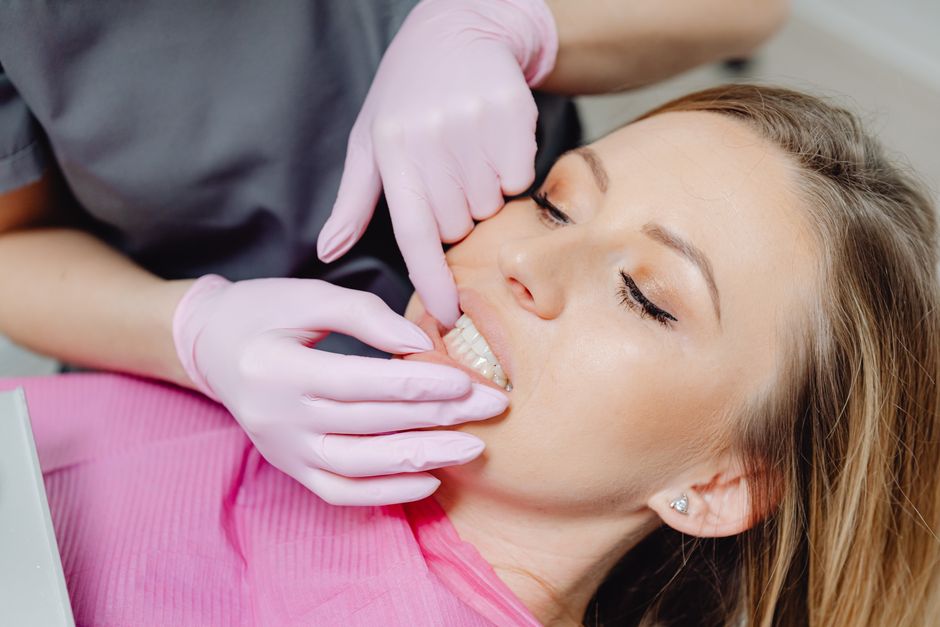
Swollen gums are common and usually reversible, but “quickly” depends on what is causing them. If the swelling comes from plaque buildup along the gumline, careful daily cleaning plus a professional dental cleaning can calm the tissue within days to a couple of weeks. If the swelling is caused by infection, injury, a medication, or a health condition, home care will not fix it and you need a dentist or doctor.
What Actually Causes Swollen Gums?
Swelling is your immune system’s response to irritation. Blood vessels widen, fluid and immune cells move into the tissue, and the gums look puffy, red, and shiny instead of firm and pink. That process is normal and protective. The problem is what keeps triggering it.
The most common trigger is plaque. Plaque is a sticky film of bacteria that forms on teeth within hours of brushing. When it sits along the gumline, the immune system stays activated, and the gums stay swollen. If plaque hardens into tartar, brushing cannot remove it, and the irritation continues until a dentist scrapes it off.
Other causes produce swelling that looks similar but behaves differently:
- Gingivitis — gum inflammation from plaque, without loss of the bone and tissue that support teeth.
- Periodontitis — a more serious form where inflammation extends below the gumline and damages the structures holding teeth in place.
- Medications — some drugs, including certain antiseizure medications, blood pressure medications, and immunosuppressants, can cause gum overgrowth.
- Hormonal changes — pregnancy, puberty, and menopause can make gums more sensitive to plaque.
- Vitamin deficiencies — notably vitamin C deficiency, which is rare in the US but still occurs.
- Infections — viral or fungal infections in the mouth can cause localized swelling.
- Irritants — rough brushing, ill-fitting dental work, mouth breathing, and tobacco.
- Systemic conditions — diabetes, and less commonly conditions affecting the immune system.
This matters because the treatment is different for each. Brushing better will help gingivitis. It will not help gum overgrowth from a medication, and it will not resolve periodontitis on its own.
How To Heal Swollen Gums Quickly At Home
The fastest home improvement comes from removing the irritant that is driving the swelling. For most people that means plaque, and the fix is technique, not products.
Brush along the gumline, not just the teeth. Hold the brush at roughly a 45-degree angle so the bristles reach the sulcus, the shallow groove where the gum meets the tooth. Use short, gentle strokes. Firm pressure does not clean better and can make swelling worse.
Clean between the teeth every day. A toothbrush cannot reach the spaces between teeth, and that is exactly where gum inflammation often starts. Dental floss, interdental brushes, or a water flosser all work if you use them consistently. Some people find interdental brushes easier and more effective than floss if their gums have started to recede.
Rinse with warm salt water. Dissolve about half a teaspoon of salt in a glass of warm water and rinse gently for around 30 seconds, then spit. This is a traditional remedy rather than a proven treatment. It may soothe irritated tissue and help clear debris, but no strong evidence shows it treats the underlying cause of gum disease.
Skip alcohol-based mouthwash during a flare. Alcohol can dry and sting already inflamed tissue. If you want a rinse, a plain salt water rinse or a diluted hydrogen peroxide rinse is gentler. Do not swallow hydrogen peroxide, and do not use it long term.
Stop irritating the area. Avoid very hot, spicy, or crunchy foods while the gums are sore. Do not poke at the gums with a toothpick or fingernail.
Realistic timelines: if plaque is the cause and you improve your cleaning, tenderness often improves within a few days, and visible swelling usually settles over one to two weeks. If nothing changes in that window, the cause is probably not something home care can reach.
Which Home Remedies Have Real Evidence Behind Them?
Most home remedies for gum swelling are traditional rather than proven. That does not mean they are useless, but it does mean the evidence is thinner than marketing suggests.
Salt water rinses. Widely recommended by dentists as a mild, soothing rinse. Evidence that they treat gum disease specifically is limited.
Chlorhexidine mouthwash. This is a prescription or over-the-counter antiseptic rinse in some countries. It has the strongest evidence of any mouthwash for reducing plaque and gum inflammation. It can stain teeth with long-term use, so it is usually used short term. In the US it is available by prescription.
Essential oil mouthwashes. Products containing a mix of essential oils have been studied for reducing plaque and gingivitis, with results generally favorable but less strong than chlorhexidine.
Aloe vera gel. Some small studies suggest it may reduce gum inflammation. The studies are small and short, so this is promising rather than proven.
Green tea. Contains compounds with anti-inflammatory activity in laboratory studies. Whether drinking it meaningfully changes gum disease in people is not established.
Oil pulling. This is the practice of swishing oil, usually coconut or sesame, in the mouth. Some small studies report reduced plaque and gingivitis, but the studies are generally low quality. It is not a substitute for brushing and flossing.
Vitamin C. Helps if you are actually deficient. If you are not deficient, taking extra is unlikely to change your gums.
None of these replace removing plaque and tartar. A rinse that soothes the surface while plaque stays on the teeth will not fix the problem.





When Home Care Is Not Enough
Some signs mean the problem has moved past what you can manage at home. See a dentist if you notice any of these:
- Gums that bleed when you brush or floss, especially if it continues after a week of gentler cleaning
- Swelling that does not improve after about two weeks of consistent home care
- Gums pulling away from the teeth, or teeth that look longer
- Persistent bad breath that does not improve with cleaning
- Loose teeth or a change in how your bite feels
- Pain, pus, or a bad taste near a tooth
- Swelling that is sudden, severe, or spreading
Swelling that spreads to your face or jaw, or comes with fever or difficulty swallowing, needs urgent care. That pattern can indicate a spreading infection, which is a medical emergency.
A dentist can remove tartar with a professional cleaning, measure the pockets around your teeth to check for periodontitis, and take X-rays if needed. If periodontitis is present, treatment usually involves deeper cleaning below the gumline, and sometimes antibiotics or referral to a gum specialist. Home care supports that treatment but does not replace it.
What Makes Swollen Gums Worse?
A few habits reliably keep gums swollen, and stopping them often matters as much as starting new ones.
Smoking and vaping. Tobacco reduces blood flow to the gums and masks some signs of inflammation, which can hide how much damage is happening. Smokers often have less bleeding but more gum disease.
Skipping flossing. The spaces between teeth are where inflammation often begins. Brushing alone leaves those areas untouched.
Brushing too hard. Aggressive brushing injures the gum tissue and can cause it to recede. It does not clean better than gentle, thorough brushing.
Uncontrolled blood sugar. Diabetes and gum disease influence each other in both directions. Poorly controlled blood sugar is associated with more gum inflammation, and gum inflammation can make blood sugar harder to control.
Certain medications. If a medication is causing gum overgrowth, that is a conversation to have with your prescriber. Do not stop a prescription on your own.
Dry mouth. Saliva helps clear bacteria. Medications, mouth breathing, and some health conditions reduce saliva, which can leave gums more vulnerable.
Can Swollen Gums Be Prevented?
Yes, in most cases where plaque is the cause. The core habits are unglamorous and well established.
Brush twice a day for about two minutes with a fluoride toothpaste. Clean between your teeth once a day. See a dentist for regular checkups and cleanings, since tartar cannot be removed at home no matter how well you brush. Limit sugary drinks and snacks, which feed the bacteria that form plaque. If you smoke, quitting is one of the most effective things you can do for your gums.
One detail worth knowing: gums that bleed a little when you first start flossing after a break are usually inflamed, not injured. That bleeding typically decreases over one to two weeks of consistent flossing. Stopping because of the bleeding keeps the inflammation going.
Frequently Asked Questions
How long does it take for swollen gums to heal?
If plaque is the cause and you improve your cleaning, tenderness often improves within a few days and visible swelling usually settles over one to two weeks. Swelling that has not improved after about two weeks of consistent home care needs a dental exam.
Does salt water really help swollen gums?
Salt water rinses are widely recommended by dentists and may soothe irritated tissue, but evidence that they treat the underlying cause of gum disease is limited. They are a comfort measure, not a treatment for plaque or tartar.
Can swollen gums go away on their own?
Mild swelling from plaque can improve if you remove the plaque consistently with brushing and flossing. Swelling from tartar, infection, medication, or periodontitis will not resolve on its own and needs professional care.
When should I see a dentist for swollen gums?
See a dentist if swelling lasts more than about two weeks, if your gums bleed regularly, if your teeth feel loose, or if you notice pus or persistent bad breath. Swelling that spreads to your face or jaw, or comes with fever, needs urgent care.
