
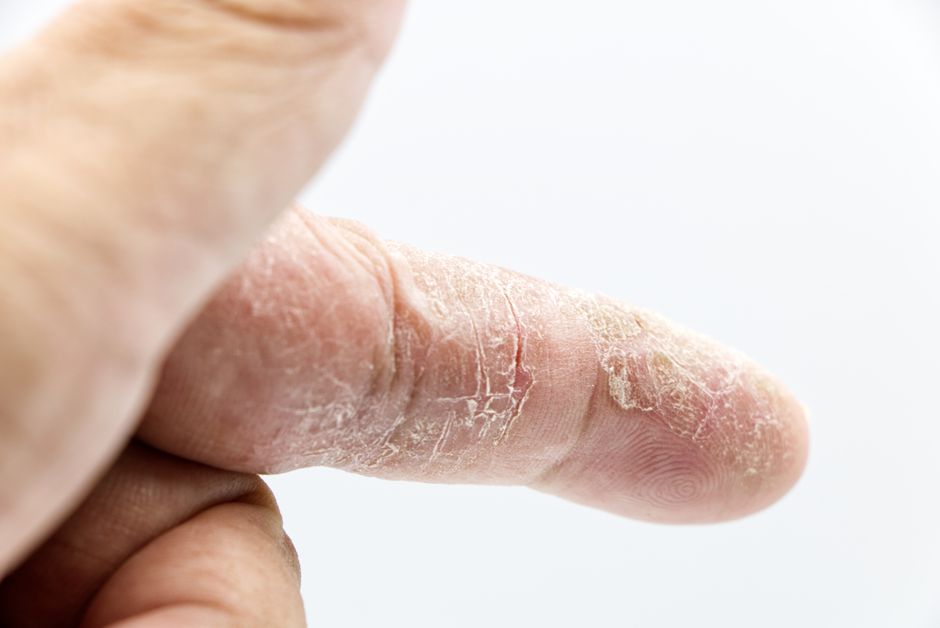
Severely chapped lips are painful, raw, and sometimes bleeding. The standard advice of drinking more water and applying lip balm often fails because the real problem is deeper than surface dryness. Healing severely chapped lips requires stopping the habits that strip your lip skin, using ingredients that actually repair the skin barrier, and avoiding products that make things worse. The most effective approach combines a petrolatum-based ointment at night, eliminating licking and irritating lip products, and treating any underlying infection if present.
What Causes Severely Chapped Lips in the First Place?
Your lips have no oil glands. Unlike the rest of your skin, they cannot moisturize themselves. This makes them extremely vulnerable to drying out. The outer layer of lip skin is also thinner than facial skin, so damage happens faster.
The most common cause is repeated wetting and drying. People lick their lips when they feel dry. Saliva evaporates quickly and takes moisture with it. This creates a cycle where lips feel drier after each lick. Over days, the skin cracks and peels.
Other causes include cold dry air, indoor heating, sun exposure, and breathing through your mouth at night. Some medications cause dry lips as a side effect. Vitamin deficiencies are rare but possible — specifically B vitamins, iron, and zinc. The American Academy of Dermatology notes that allergic reactions to lip products, toothpaste, or food can also cause persistent chapping.
One non-obvious cause is sodium lauryl sulfate in toothpaste. This foaming agent strips oils from skin. If your lips are chronically chapped, switching to an SLS-free toothpaste for two weeks is a simple test.
What Ingredients Actually Repair Severely Chapped Lips?
Not all lip balms are equal. Many popular products contain ingredients that feel good temporarily but do not repair damage. The key is understanding the difference between humectants, emollients, and occlusives.
Humectants draw water into the skin. Glycerin and hyaluronic acid are examples. They help but can backfire in very dry air by pulling water out of the lips instead of the environment. Emollients fill gaps between skin cells. Shea butter and lanolin are examples. Occlusives create a physical barrier that prevents water loss. Petrolatum (petroleum jelly) is the strongest occlusive.
For severely chapped lips, occlusives matter most. Research published in the Journal of the American Academy of Dermatology found that petrolatum reduces water loss from the skin by over 98 percent. No other ingredient comes close. Plain petroleum jelly is more effective than most commercial lip balms because it has no additives that can irritate.
Lanolin is another strong option. It is a natural oil from sheep wool that closely resembles human skin oils. Some people are allergic to lanolin, so test a small area first. For those who tolerate it, lanolin-based products like medical-grade nipple cream work very well on chapped lips.
Beeswax provides moderate occlusion and feels less greasy. It works for mild cases but is usually not enough alone for severely damaged lips.
| Ingredient Type | Examples | Best For |
|---|---|---|
| Occlusive | Petrolatum, lanolin, beeswax | Severe chapping, overnight repair |
| Emollient | Shea butter, cocoa butter, squalane | Moderate dryness, daytime use |
| Humectant | Glycerin, hyaluronic acid | Mild dryness, humid environments |
How To Heal Severely Chapped Lips What Actually Works Step by Step
Healing requires changing your routine for at least one to two weeks. The goal is to stop further damage and let the skin repair itself. You cannot speed up skin regeneration, but you can stop slowing it down.
First, stop licking your lips. This is the hardest step for most people. Whenever you feel the urge, apply a thick layer of petrolatum instead. The physical barrier reminds you not to lick. Some people find that wearing a mask at home helps break the habit.
Second, apply a thick occlusive at night. Before bed, clean your lips with plain water and pat dry. Apply a generous layer of petrolatum or lanolin. It should look visibly white and thick. This locks moisture in for hours while you sleep. The Mayo Clinic recommends this as the single most effective treatment for chronic chapped lips.
Third, use a gentle emollient during the day. After meals and before going outside, apply a balm with shea butter or beeswax. Avoid anything with camphor, menthol, phenol, or alcohol. These ingredients create a cooling sensation but actually dry lips further. Many popular lip balms contain these irritants.
Fourth, address your environment. Use a humidifier in your bedroom, especially in winter. Indoor heating drops humidity below 30 percent, which accelerates moisture loss from lips. Keeping humidity above 40 percent makes a noticeable difference within days.
Fifth, check your toothpaste. Switch to an SLS-free brand for two weeks. If your lips improve, you have found a trigger. Many people never connect their toothpaste to chapped lips because the irritation builds slowly.



What Does Research Say About Exfoliating Chapped Lips?
Many online sources recommend scrubbing chapped lips with sugar or a toothbrush. This is bad advice for severely damaged skin. The skin on your lips is already broken. Scrubbing removes the protective layer and exposes raw tissue underneath. It can cause bleeding, infection, and slower healing.
A study in the Journal of Cosmetic Dermatology found that physical exfoliation of damaged lip skin increased inflammation and delayed barrier recovery. The authors noted that gentle chemical exfoliation with ingredients like lactic acid may be safe for healthy lips but not for compromised skin.
For severely chapped lips, do not exfoliate at all. Let dead skin flake off naturally as new skin forms underneath. If you must remove peeling skin, apply a warm damp cloth for two minutes to soften it, then let it fall off on its own. Never pull or rub.
Once lips have healed completely — meaning no cracks, bleeding, or pain — gentle exfoliation once per week may help maintain smoothness. But during active healing, leave them alone.
When Is Severely Chapped Lips a Sign of Something Else?
Most chapped lips resolve within two weeks of consistent care. If they do not, something else may be going on. Several conditions mimic chapped lips but require different treatment.
Cheilitis is the medical term for inflamed lips. Angular cheilitis affects the corners of the mouth and is often caused by a fungal or bacterial infection. It looks like red, cracked skin at the corners that does not heal with regular balm. A doctor can prescribe an antifungal or antibiotic cream.
Allergic contact cheilitis causes swelling, redness, and tiny blisters. Common triggers include fragrance in lip products, preservatives, nickel from lip piercings, and even mango skin. If your lips react within hours of applying a product, allergy is likely. A dermatologist can perform patch testing to identify the trigger.
Actinic cheilitis is a precancerous condition caused by long-term sun exposure. It makes the lower lip look pale, dry, and scaly with poorly defined borders. The Skin Cancer Foundation notes that actinic cheilitis can progress to squamous cell carcinoma if untreated. Anyone who spends significant time outdoors without lip sunscreen should watch for these changes.
Vitamin deficiencies are rare but real. Riboflavin (B2), pyridoxine (B6), niacin (B3), iron, and zinc deficiencies can all cause lip inflammation. These are more common in people with digestive disorders, restrictive diets, or alcoholism. A blood test can confirm deficiency.
Common Mistakes That Keep Lips Chapped
Many people unknowingly worsen their chapped lips. Here are the most common errors:
- Using flavored or scented lip balms. The flavoring encourages licking. Fragrances can cause allergic reactions. Stick to unscented products.
- Applying balm too thinly. A thin layer of petrolatum evaporates or rubs off quickly. Use a thick visible layer, especially at night.
- Choosing balms in pots over sticks. Pot balms are often thicker and contain fewer hardeners. Stick balms require waxes that can be less occlusive.
- Drinking through straws. This may seem unrelated, but pursing lips around a straw repeatedly can irritate already damaged skin.
- Overusing lip sunscreen. Many chemical sunscreens sting on broken skin. Use a physical sunscreen with zinc oxide or titanium dioxide instead.
- Assuming more water will fix it. Hydration helps overall skin health but does not directly heal damaged lip skin. The barrier is broken and needs topical repair.
One mistake that surprises people is using lip balm too often. Applying any product more than five or six times per day can trap bacteria and create a moist environment that delays healing. Apply after meals, before bed, and before going outside. Do not reapply every hour.
Frequently Asked Questions
How long does it take to heal severely chapped lips?
With consistent care using petrolatum at night and avoiding irritants, most people see significant improvement within 3 to 7 days. Full healing may take up to two weeks.
Can I use Vaseline on chapped lips?
Yes. Plain petroleum jelly is one of the most effective treatments. It creates a barrier that prevents moisture loss and allows skin to repair. Make sure it is the plain version with no added fragrance or flavors.
Is it safe to use lip balm with menthol or camphor?
No. These ingredients create a cooling sensation but actually dry out lip skin over time. They are common in medicated lip balms and should be avoided for severely chapped lips.
Should I see a doctor for chapped lips?
See a doctor if your lips do not improve after two weeks of consistent care, if the corners of your mouth are cracked, if you have blisters or swelling, or if you have a pale scaly patch that does not heal.
