
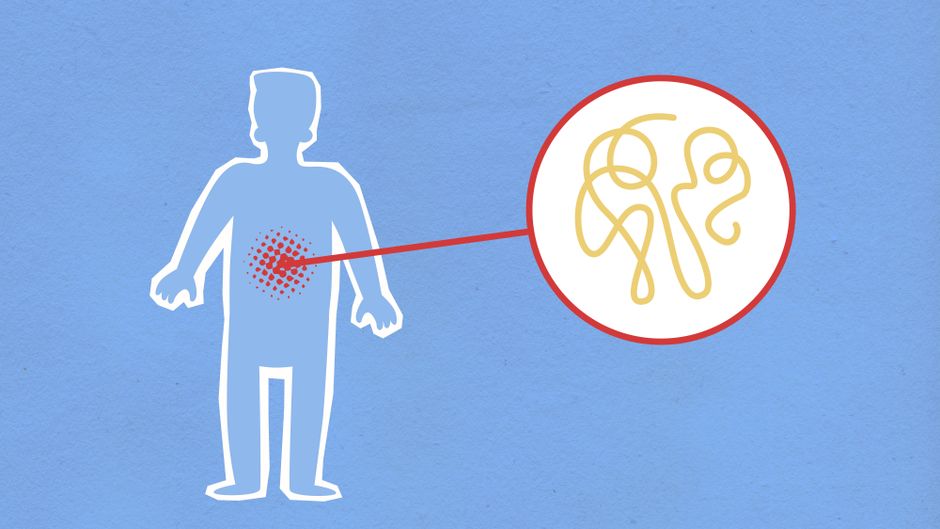
Your gut microbiome is the collection of trillions of bacteria, viruses, and fungi living in your digestive tract. These microbes influence digestion, immunity, and even mood. Healing your microbiome means shifting the balance toward beneficial bacteria by changing what you eat and how you live. It is not a quick fix. It is a process of removing what harms those microbes and adding what helps them thrive.
What Actually Damages Your Gut Microbiome?
The microbiome is resilient, but certain habits consistently reduce its diversity. Diversity matters because different bacterial strains perform different jobs. A gut with fewer species is less adaptable and more vulnerable to disruption.
Antibiotics are the most direct cause of microbiome damage. They kill bacteria indiscriminately, including the beneficial species you need. This is not a reason to avoid antibiotics when they are medically necessary. It is a reason to be intentional about recovery afterward.
Diet plays the largest daily role. A diet high in ultra-processed foods and low in plant fiber starves beneficial bacteria. These microbes feed on fiber that your body cannot digest. When they do not get it, they die off and diversity drops.
Other contributors include chronic stress, poor sleep, and excessive alcohol intake. These factors do not wipe out your microbiome the way antibiotics can, but they shift the balance over time. The gut lining and its microbial residents are sensitive to stress hormones and circadian disruption.
How To Heal Microbiome Through Diet
Diet is the most powerful tool you have. Every meal either feeds beneficial bacteria or feeds less helpful ones. The goal is not a perfect diet. It is consistent patterns that support microbial diversity.
Increase fiber from whole plant foods. Vegetables, fruits, legumes, nuts, seeds, and whole grains all provide fermentable fiber. When gut bacteria break down this fiber, they produce short-chain fatty acids like butyrate. Butyrate is the primary fuel for the cells lining your colon. It also helps maintain the gut barrier.
Eat a wide variety of plants. Different plants contain different types of fiber and different phytochemicals. Each type supports different bacterial species. A common recommendation is to aim for 30 different plant foods per week. This number is a practical target rather than a strict clinical threshold, but it captures the principle clearly.
Include fermented foods regularly. Yogurt with live cultures, kefir, sauerkraut, kimchi, and kombucha introduce beneficial microbes directly. Some research suggests that regular consumption of fermented foods can increase microbial diversity and reduce markers of inflammation. The evidence is stronger for some fermented foods than others, so choose products that clearly state they contain live cultures.
Reduce ultra-processed foods and added sugars. These foods are rapidly absorbed in the upper digestive tract, leaving little for the microbes in your colon. Artificial sweeteners are an area of active research. Some studies in animals and some in humans suggest certain sweeteners may alter the microbiome, but the evidence is not yet conclusive enough for a firm recommendation.
Do Probiotic Supplements Actually Help?
Probiotic supplements are live bacteria you ingest with the goal of adding to your microbiome. The evidence for their effectiveness is more complicated than marketing suggests.
Probiotics can be helpful in specific situations. They are most clearly supported for preventing antibiotic-associated diarrhea. Some strains show benefit for certain digestive conditions, but the effects are strain-specific. Lactobacillus rhamnosus GG and Saccharomyces boulardii have the strongest evidence for this use, but the research does not support every product on the shelf.
The reality is that most probiotic strains do not colonize the gut permanently. They pass through and may provide temporary benefits while present. This is not necessarily a failure. Even transient presence can influence immune signaling and compete with harmful bacteria.
A larger concern is that the supplement industry is poorly regulated. Products may not contain the strains or quantities listed on the label. If you choose to take a probiotic, select a product from a manufacturer that tests its batches independently and publishes the results.
For most healthy people, food sources of probiotics are a more reliable choice than supplements. Fermented foods deliver live bacteria alongside nutrients and other bioactive compounds that may support their survival.

How Long Does Microbiome Healing Take?
Microbiome changes happen faster than many people expect. Studies have shown that dietary shifts can alter the composition of gut bacteria within days. A high-fiber diet can produce measurable changes in as little as two weeks.
However, there is a difference between temporary shifts and lasting recovery. A single high-fiber meal changes the environment temporarily. Sustained recovery requires consistent habits over months. The microbiome reflects your recent diet and lifestyle, not just your history.
After antibiotics, recovery is slower and less predictable. Some research suggests the microbiome can take several months to approach its previous state. In some cases, species that were lost do not return without deliberate reintroduction through diet or fermented foods.
Your starting point matters. Someone with a diverse microbiome may recover quickly after a short disruption. Someone who has eaten a low-fiber diet for years may need more time to rebuild diversity. There is no universal timeline because the microbiome is personal.
What About Prebiotics and Postbiotics?
Prebiotics are types of fiber that specifically feed beneficial bacteria. They are not digested by you. They reach the colon intact, where bacteria ferment them. Common prebiotics include inulin, fructooligosaccharides, and galactooligosaccharides.
Food sources of prebiotics include garlic, onions, leeks, asparagus, bananas, oats, and apples. You do not need a supplement to get prebiotics. Whole foods deliver them alongside other nutrients.
Prebiotic supplements can cause gas and bloating, especially when started at high doses. If you use them, start low and increase gradually. This side effect is a sign that fermentation is happening, but it is uncomfortable enough that many people abandon the effort.
Postbiotics are the metabolic byproducts of bacterial fermentation. Butyrate is the most studied postbiotic. It is produced when bacteria ferment fiber and serves multiple functions in the gut. You cannot supplement your way to postbiotics effectively. The most reliable way to increase them is to feed the bacteria that produce them.
Lifestyle Factors That Support Microbiome Healing
Diet is essential but not sufficient on its own. Your microbiome responds to your overall physiology, which includes sleep, stress, and physical activity.
Sleep quality correlates with microbial diversity. Research consistently shows that people with poor sleep patterns tend to have less diverse gut bacteria. The relationship appears bidirectional. Microbes influence sleep-regulating molecules, and sleep disruption alters microbial communities. Prioritizing consistent sleep is a legitimate microbiome intervention.
Exercise also supports diversity. Studies have found that physically active people have more diverse gut bacteria than sedentary people. The mechanism is not fully defined, but exercise increases blood flow to the gut and may influence motility. Moderate regular activity appears more beneficial than occasional intense exertion.
Stress management deserves attention. Chronic stress activates pathways that can increase gut permeability and shift microbial composition. Practices like meditation, deep breathing, or simply taking time for restorative activities may support gut health through these pathways. The research here is emerging rather than definitive, but the direction is consistent.
When Should You See a Doctor About Your Gut?
Diet and lifestyle changes are appropriate for general wellness. They are not a substitute for medical evaluation of specific symptoms.
See a doctor if you have persistent digestive symptoms such as abdominal pain, unexplained bloating, diarrhea, constipation, or blood in your stool. These symptoms can indicate conditions that require diagnosis and treatment, not just dietary adjustment.
Irritable bowel syndrome, inflammatory bowel disease, celiac disease, and small intestinal bacterial overgrowth all involve the gut but require different treatments. No amount of fiber will resolve an undiagnosed condition. In fact, high-fiber diets can worsen symptoms in some conditions.
Be cautious about microbiome testing kits sold directly to consumers. These tests analyze stool samples and report on bacterial composition. The science of interpreting these results is not mature enough to translate into reliable clinical recommendations. A test result saying you lack a particular species does not mean you need a specific supplement. The clinical utility of these tests remains unproven.
Frequently Asked Questions
How long does it take to heal your microbiome?
Dietary changes can shift bacterial composition within days, but lasting recovery typically takes weeks to months of consistent habits. After antibiotics, full recovery may take several months.
What is the fastest way to improve gut bacteria?
Eating more plant fiber and fermented foods daily is the fastest evidence-based approach. Adding a variety of vegetables, fruits, legumes, and live-culture yogurt or kefir can produce measurable changes within two weeks.
Can you heal your gut without probiotics?
Yes. A high-fiber diet that feeds your existing beneficial bacteria is the foundation of microbiome health. Probiotics can help in specific situations, but they are not required for most people.
Does coffee affect the microbiome?
Some research suggests coffee may support microbial diversity, possibly through its polyphenol content. The effect is modest and not a reason to start drinking coffee if you do not already.
