
Bitten cuticles heal fastest when you stop the damage, keep the area clean, and protect it while the skin closes. Most small cuts and tears from nail biting heal on their own within a few days to a week. The real problem is not the wound itself. It is the repeated biting that keeps reopening it, and the bacteria around your nails that can turn a minor tear into an infection.
This guide explains what is actually happening under the skin, which steps help, which widely shared “remedies” do not, and when a bitten cuticle needs a doctor instead of a bandage.
What Happens When You Bite Your Cuticles?
The cuticle is a thin layer of dead skin that seals the gap between your nail and the skin behind it. It is not decoration. It is a barrier. When you bite or pick at it, you break that seal and expose the tissue underneath — the nail fold and the nail matrix, the structure that grows the nail itself.
That exposed tissue is wet, warm, and full of small blood vessels. It is also surrounded by bacteria, including staphylococci and streptococci that normally live on skin without causing harm. Once the barrier is broken, those bacteria have a way in.
This is why bitten cuticles hurt more than their size suggests. The nail fold is packed with nerve endings. A tear of a few millimeters can throb for days.
Repeated biting does something worse than a single injury. It creates a cycle. The skin swells and inflames, which makes the ragged edge feel uneven, which makes you want to bite it smooth, which reopens the wound. Breaking that cycle matters more than any ointment.
How To Heal Bitten Cuticles Fast And Safely
Stop biting the specific finger. Everything else is secondary. A cuticle that is left alone will usually close within several days. One that is bitten again each day may never heal.
The steps that genuinely help:
- Wash gently with mild soap and water. Once or twice a day is enough. Scrubbing and harsh antiseptics can irritate healing tissue.
- Keep it covered during the day. A simple adhesive bandage protects the area from saliva, dirt, and your own teeth. Change it if it gets wet.
- Apply plain petroleum jelly. It keeps the wound moist, which supports healing. A thin layer under a bandage is enough.
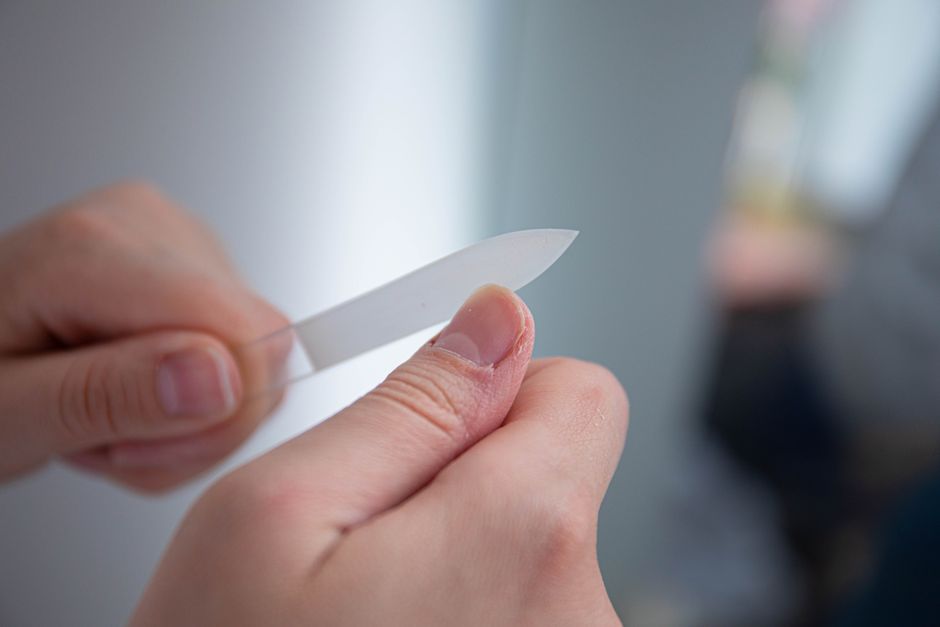
- Trim the ragged edge carefully. Use clean nail clippers to remove a snag that catches on fabric. Do not pull at it. Pulling tears live skin.
- Moisturize the surrounding skin. Dry, cracked skin around the nail tends to get picked at more.
What does not help: hydrogen peroxide, rubbing alcohol, and iodine applied to an open cuticle. These are widely used but they damage healing cells along with bacteria. Current wound care guidance favors gentle cleansing and moisture over harsh antiseptics for minor wounds. Some clinicians still recommend them out of habit. The evidence does not strongly support that practice for small surface injuries.
Antibiotic ointments are commonly applied to minor cuts. For a clean, small cuticle tear, plain petroleum jelly is generally sufficient. Over-the-counter antibiotic ointments carry a small risk of allergic reaction, and routine use contributes to antibiotic resistance. Reserve them for wounds that look dirty or are already showing signs of infection.
How Long Does A Bitten Cuticle Take To Heal?
A minor tear that is left alone typically closes in a few days. Redness and tenderness usually fade within a week. A deeper wound that has broken into the nail fold may take longer.
The single biggest factor is whether the biting stops. If you keep biting the same finger, the timeline resets every time. There is no cream that overrides ongoing injury.
Two things can extend healing well beyond a week:
- Infection. If bacteria take hold, the wound will not close on its own and needs treatment.
- Underlying skin conditions. Eczema and psoriasis can affect the skin around nails and slow healing. So can poorly controlled diabetes.
If a cuticle is still open and painful after a week of leaving it alone, that is a signal to have it looked at rather than to keep waiting.




What Does An Infected Bitten Cuticle Look Like?
Infection around the nail is called paronychia. It is the most common complication of biting cuticles, and it is worth recognizing early.
Signs that a bitten cuticle has become infected:
- Increasing redness and swelling that spreads beyond the original tear
- Pain that gets worse rather than better after the first day or two
- Warmth in the area
- Pus or a yellow blister forming along the nail edge
- Red streaks running up the finger or hand
The last sign, red streaks spreading toward the hand, is a reason to seek care promptly. So is fever, or a finger that becomes very swollen and hard to move.
Mild paronychia sometimes drains and resolves on its own with warm soaks. More established infections often need a doctor to drain the pus or prescribe antibiotics. Do not try to pop or squeeze a pus-filled cuticle at home. It can push bacteria deeper into the finger.
People with diabetes, poor circulation, or a weakened immune system should treat any infected cuticle as a medical matter rather than a wait-and-see situation. Infections in these groups can progress faster and cause more serious harm.
How Do You Stop Biting Your Cuticles?
Healing and stopping the habit are the same project. If you only treat the wound, it will come back.
Cuticle biting is a body-focused repetitive behavior. It is often automatic and tied to stress, boredom, or concentration. That is why willpower alone tends to fail.
Approaches that people find genuinely useful:
- Keep nails and cuticles trimmed and smooth. A ragged edge is a trigger. Smooth skin gives you less to pick at.
- Use a bitter-tasting nail product. These are sold for this purpose. They work for some people and not others, but they are low risk.
- Identify the trigger. Notice when your hand goes to your mouth. Many people do it while reading, driving, or watching screens.
- Give your hands something else to do. A small object to hold, or a fidget tool, can redirect the urge.
- Consider habit-reversal training. This is a structured behavioral approach taught by therapists. It has reasonable evidence for reducing body-focused repetitive behaviors.
If biting is severe, causes bleeding, or feels impossible to control, that is worth discussing with a doctor or mental health professional. It is not a character flaw, and it is treatable.
When Should You See A Doctor?
Most bitten cuticles are minor and heal without medical care. Some need a professional.
See a doctor if:
- The wound is not healing after about a week of leaving it alone
- There is pus, a spreading red area, or red streaks
- You have a fever
- The finger is very swollen, hard, or difficult to bend
- You have diabetes, poor circulation, or a weakened immune system
- Biting is causing repeated infections or significant distress
Do not wait on a spreading infection in the finger. The tissue there is tight, with little room for swelling, and infections can become serious faster than people expect.
Frequently Asked Questions
How long does a bitten cuticle take to heal?
A minor tear usually closes within a few days and stops hurting within about a week if you leave it alone. If you keep biting it, the healing timeline restarts each time.
Should I put hydrogen peroxide on a bitten cuticle?
No. Hydrogen peroxide damages healing tissue along with bacteria, and current wound care guidance favors gentle cleansing and moisture for minor wounds. Plain petroleum jelly under a bandage is a better choice.
How do I know if my cuticle is infected?
Watch for increasing redness, swelling, warmth, and pain that worsens instead of improving, or pus forming along the nail edge. Red streaks spreading toward the hand or a fever mean you should seek care promptly.
Can I pop an infected cuticle myself?
No. Squeezing a pus-filled cuticle can push bacteria deeper into the finger. A doctor can drain it safely if needed.
