
Your hands are the smallest targets in boxing and the ones most likely to break. Strengthening them safely means training the muscles of the forearm and grip, protecting the small bones and joints of the hand with proper wrapping and gloves, and loading the hands gradually so tendons and bones adapt instead of crack.
It is not about making your knuckles harder. Bone and cartilage do not get tougher from hitting things. What changes with training is the muscle, tendon, and technique that support the hand — and how well you protect the structures that cannot be strengthened at all.
How To Strengthen Hands For Boxing Safely?
The short answer: train grip and forearm strength with controlled resistance, wrap and glove your hands correctly every session, and increase punching volume slowly. The structures that break most often in boxing hands — the metacarpal bones and the joint at the base of the thumb — do not respond to being hit harder. They respond to being protected and to the muscles around them doing their job.
Think of the hand as a chain. The forearm muscles pull on tendons that run through the wrist and into the fingers. When those muscles are strong and the wrist is stable, the force of a punch travels through the arm instead of getting absorbed by small bones. When they are weak or the wrist rolls, the force lands on structures that were never designed to take it.
So real hand strength for boxing has three parts:
- Muscular strength — grip, wrist flexors, and extensors
- Structural protection — wrapping, gloves, and technique
- Progressive loading — building tolerance without overreaching
Skip any one of these and the others do not save you. This is why so many beginners get hurt in the first few months. They have enthusiasm, they hit the bag hard, and they have none of the three.
Can You Actually Make Your Hands Stronger, Or Just Better Protected?
Both, but not in the way most people assume. You cannot thicken the bones of your hand by punching. Bone does respond to load over time — this is well established in exercise physiology — but the small bones of the hand and the knuckle joints are not the structures you want to stress directly. The risk of injury outweighs any theoretical benefit.
What you can genuinely strengthen is the soft tissue around the hand. Grip strength, wrist stability, and forearm endurance are trainable. Research consistently shows that resistance training increases muscle strength and tendon stiffness over weeks to months. That is real, measurable, and it protects the hand.
What you cannot do is turn your knuckles into armor. The idea that repeated impact “conditions” the hands is a myth. What repeated impact does over time is damage cartilage and increase the risk of arthritis in the small joints of the hand — a pattern seen in boxers who have fought for years. The goal is to hit well and hit protected, not to hit hard with bare hands to toughen up.
What Are The Best Exercises To Strengthen Hands For Boxing?
Grip and forearm work is the foundation. These exercises load the muscles that stabilize the wrist and fingers without pounding the joints.
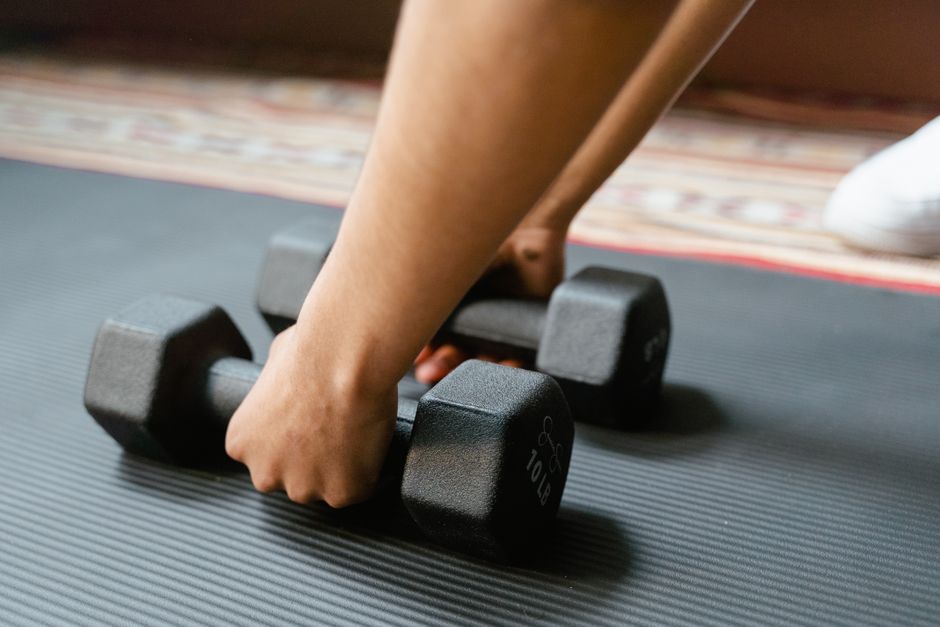
Farmer’s carries. Hold a heavy dumbbell or kettlebell in each hand and walk for distance or time. This trains grip endurance and whole-body stability at once. Start light and add weight only when the last few steps feel controlled, not desperate.
Dead hangs. Hang from a pull-up bar for time. This builds grip and decompresses the spine. If you cannot hang for a full interval, use a box under your feet and take some of your weight off. Build slowly.
Wrist curls and reverse wrist curls. These target the flexors and extensors of the forearm. Use light weight and higher reps. The wrist is a small joint — ego lifting here is how people get tendinitis.
Towel or rope twists. Wringing a towel or twisting a rope around a bar trains the forearm through rotation. This is one of the most underrated movements for punching power and hand durability.
Rice bucket work. Plunging your hand into a bucket of rice and opening and closing against the resistance trains the small muscles of the hand and fingers. Used widely in combat sports and climbing.
None of these require hitting anything. That is the point. You build the support structure first, then you apply it to the bag or the pads.





How Should You Wrap And Glove Your Hands?
Wrapping is not optional. A proper wrap supports the wrist and the knuckles and keeps the small bones of the hand from splaying apart on impact. The wrap does not make your punch stronger. It keeps your hand in a position where it can survive the punch.
Key points for wrapping:
- Wrap the wrist first, with a few firm loops to lock it
- Wrap across the back of the hand and between the knuckles to hold them together
- Wrap the thumb separately — never wrap the thumb into the fingers
- Keep it snug, not tight enough to cut off circulation or numb your fingers
Gloves matter too. Bag gloves and sparring gloves are different tools. Bag gloves are thinner and let you feel the punch. Sparring gloves are padded to protect your partner and your own hand. Using the wrong glove for the wrong job is a common cause of hand injuries in beginners.
One detail worth knowing: the padding in gloves breaks down over time. A glove that felt protective two years ago may offer much less shock absorption now. If your hands hurt after sessions that used to be fine, your gloves may be part of the problem.
How Do You Build Up Punching Volume Without Breaking Your Hands?
Slowly, and with attention to how your hands feel the next day. The bones and tendons of the hand adapt to load over weeks and months, not days. Beginners who jump straight into heavy bag work five days a week are the ones who end up with stress fractures and tendon injuries.
A reasonable approach is to start with technique work on the bag at low power, a few sessions a week. Add power before you add volume. Add volume before you add frequency. If your hands are sore the day after a session, that is information. Soreness that lingers or sharp pain is a signal to back off, not push through.
Pay attention to technique as much as conditioning. A punch that lands with a bent wrist or with the wrong knuckles takes force the hand cannot absorb. A punch that lands straight, with the first two knuckles and a locked wrist, sends force up the arm where it belongs. Coaches who correct your form are protecting your hands as much as your power.
What Are The Warning Signs You Should Not Ignore?
Hand pain in boxing is common. Some of it is normal adaptation. Some of it is the start of an injury that will sideline you for months if you ignore it.
See a doctor or a qualified clinician if you have:
- Pain that persists for more than a few days after a session
- Swelling, bruising, or a hand that looks different from the other one
- Pain at the base of the thumb, which can signal a ligament injury
- Numbness or tingling in the fingers, which can point to nerve compression
- A “snap” or pop during a punch followed by pain
- Weakness in your grip that does not improve
Do not try to train through these. The hand has limited blood supply in some areas, and injuries there heal slowly. A stress fracture that gets ignored can become a full break. A ligament injury at the thumb base, if not treated, can lead to long-term instability and arthritis.
This is one area where being tough is the wrong instinct. Boxers who last are the ones who treat their hands as equipment that needs maintenance, not as weapons that should never fail.
Does Grip Strength Actually Matter For Punching Power?
It matters for how much force you can deliver without your hand collapsing, and it matters for defense. A strong grip lets you hold your guard, clinch, and control an opponent. It also lets you make a proper fist throughout a punch, which is what keeps the small bones of the hand aligned.
What grip strength does not do is directly increase punching power in a simple way. Power comes from the legs, hips, and trunk — the kinetic chain. The hand is the end of that chain, not the source. But a weak link at the end of a strong chain wastes the force. Grip and forearm strength make sure the chain transfers force instead of breaking at the wrist.
Some studies suggest that grip strength correlates with overall strength and health markers, but correlation is not the same as causation. Training your grip will not magically make you a harder puncher. It will make your hands more durable, which lets you train more, which over time makes you a harder puncher. That is the honest version.
How Long Does It Take To See Real Hand Strength Gains?
Noticeable strength gains from resistance training typically show up in the first several weeks, mostly from the nervous system learning to recruit muscle more effectively. Actual changes in muscle size and tendon stiffness take longer — usually a few months of consistent training.
Bone adaptation, where it happens, is slower still. This is why the timeline for hand durability in boxing is measured in months and years, not weeks. There is no shortcut. Anyone selling a program that promises fight-ready hands in two weeks is selling something that does not exist.
The good news is that consistency beats intensity here. Twenty minutes of focused grip and forearm work three times a week, done for a year, will do more for your hands than a brutal two-week program that leaves you injured and unable to train.
Frequently Asked Questions
Can you toughen your knuckles by hitting a hard surface?
No. Impact does not make the bones of the hand stronger — it damages cartilage and increases the risk of arthritis over time. The idea of “conditioning” knuckles is a myth that leads to injury.
How often should you train grip strength for boxing?
Two to three sessions a week is a reasonable starting point for most people. More is not better if your hands are still sore from the last session.
Should beginners wrap their hands for every session?
Yes. Wrapping supports the wrist and holds the small bones of the hand together on impact. It is standard practice and not optional, even for light bag work.
When should you see a doctor about hand pain from boxing?
See a clinician if pain lasts more than a few days, or if you notice swelling, numbness, or a pop during a punch. Hand injuries heal slowly and are easier to treat early.
