
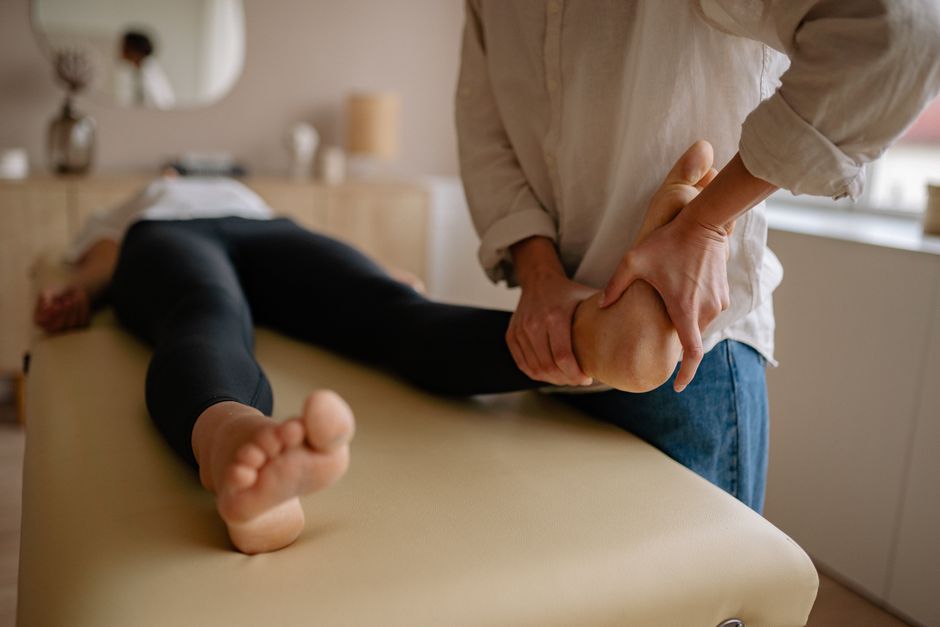
A torn tendon in your foot is a serious injury that needs a structured, patient approach to heal properly. The proven methods for recovery combine immediate protection of the injury, a gradual return to movement under professional guidance, and a long-term strengthening plan. Healing is not quick—it typically takes several weeks to months—but following a clear, evidence-based process gives you the best chance of a full recovery and reduces the risk of re-injury.
What Exactly Is a Torn Tendon in the Foot?
A tendon is a tough band of tissue that connects muscle to bone. In your foot, tendons control movement and provide stability with every step. A “torn” tendon means the fibers of that tissue have been damaged. The damage can range from a mild overstretch, called a strain, to a complete rupture where the tendon separates into two pieces.
The most commonly discussed foot tendon is the Achilles tendon, which connects the calf muscles to the heel bone. However, other tendons in the foot, such as those that support the arch (the posterior tibial tendon), can also tear. The location and severity of the tear determine the treatment path. A minor strain and a complete rupture are very different injuries with very different recovery timelines.
How To Heal A Torn Tendon In Your Foot: The First Steps
The process begins the moment the injury happens. The first 48 to 72 hours are critical for controlling inflammation and preventing further damage. The standard approach is known as the RICE protocol: Rest, Ice, Compression, and Elevation.
Rest means staying off the foot as much as possible. Use crutches if walking is painful. Ice the area for 15 to 20 minutes every few hours, but always place a cloth between the ice pack and your skin. Compression with an elastic bandage helps limit swelling, and elevation—keeping your foot above the level of your heart—uses gravity to help drain fluid away from the injury.
These steps do not heal the tendon. They manage the acute symptoms and create the conditions for healing to begin. After this initial period, you need a proper medical evaluation to know the true extent of the tear.
Why You Need a Medical Diagnosis First
You cannot accurately diagnose the severity of a tendon tear on your own. A doctor, typically a sports medicine physician or an orthopedist, will examine the foot and may order imaging tests. An ultrasound or an MRI shows the exact location of the tear and whether it is partial or complete. This distinction is essential because it dictates the entire treatment plan.
A complete rupture often requires surgery to reattach the tendon ends. A partial tear may be treated without surgery, but it still requires a specific protocol. Attempting to treat a severe tear as a minor sprain can lead to chronic pain, weakness, or a permanent limp. The medical diagnosis is not a formality; it is the foundation of your recovery plan.





Treatment Options: Surgery vs. Conservative Care
The choice between surgery and non-surgical treatment depends on the specific tendon and the severity of the tear. For a complete rupture of the Achilles tendon, research consistently shows that both surgical and non-surgical approaches can lead to good outcomes, but they carry different risks.
Surgery physically reconnects the torn ends and typically allows for a slightly earlier and more aggressive rehabilitation program. The main risk is infection or nerve damage at the surgical site. Non-surgical treatment, which involves casting or a special walking boot, avoids those surgical risks but carries a higher chance of the tendon re-rupturing. For partial tears, non-surgical treatment is usually the first choice. This involves immobilization in a boot or cast to protect the tendon while the body repairs the damaged fibers.
Your age, activity level, and general health all factor into this decision. A young athlete and a sedentary older adult may receive different recommendations for the same injury. This is a conversation you must have with your surgeon or physician, as there is no single “best” option for everyone.
The Rehabilitation Phase: Moving Safely
Once the tendon has had time to form new tissue, the focus shifts to rehabilitation. This phase is where the injury actually heals functionally. The goal is to restore range of motion, rebuild strength, and retrain the foot to move normally. This process is slow and must be guided by a physical therapist.
Rehabilitation typically starts with gentle, passive range-of-motion exercises. You move the foot, but the muscles are relaxed. This helps prevent stiffness without putting stress on the healing tendon. As healing progresses, you will begin active exercises where you use your own muscles to move the foot. Eventually, you will add resistance and weight-bearing exercises.
A critical component of foot tendon rehab is eccentric strengthening. This involves lengthening the muscle while it is under load. For the Achilles tendon, this means exercises like slow calf lowers. Some studies suggest that eccentric exercises are particularly effective for certain tendon injuries, but they must be started only when the tendon is ready. Doing them too early can re-injure the tissue.
Immobilization and Weight-Bearing: A Delicate Balance
Your doctor will give you specific rules about when you can put weight on your foot. This timeline is not a suggestion. The tendon needs time to build enough tensile strength to handle your body weight.
You will likely start non-weight-bearing, using crutches. You will then progress to partial weight-bearing in a boot, and finally to full weight-bearing. This progression can take several weeks or months. The timeline is determined by the healing response, which your doctor monitors. Pushing this timeline because you feel no pain is a common mistake that leads to re-tears. The absence of pain does not mean the tendon is fully healed; it means you have not yet stressed it enough to feel pain.
How Long Does It Take to Heal?
Healing a torn foot tendon is a long process. A general timeline separates the injury into phases. The inflammatory phase lasts for the first few days. The proliferative phase, where the body lays down new collagen, lasts for several weeks. The remodeling phase, where the new tissue strengthens and organizes, can last for months.
For a partial tear treated without surgery, you may be in a boot for several weeks and in formal physical therapy for several months. A complete rupture, whether treated surgically or not, often requires a total recovery time of four to six months before returning to high-impact activities. Some people require up to a year to feel fully confident in the foot again. These are general ranges, not guarantees. Your specific recovery time depends on the severity of the tear, your age, and how consistently you follow the rehabilitation plan.
Preventing a Re-Tear
Once you have healed, your work is not done. A healed tendon is often weaker than it was before the injury. The risk of re-tearing is significant, especially in the first year after the injury.
Prevention focuses on maintaining strength and flexibility in the calf and foot muscles. Continuing a modified version of your rehab exercises is the most effective way to do this. Wearing appropriate footwear for your activities is also important. Sudden increases in activity intensity are a common trigger for re-injury. Your body needs progressive loading to adapt, not sudden spikes in stress.
Listen to your body. If an activity causes sharp pain in the area of the old injury, stop. This is a sign that the tissue is not ready for that level of stress.
When to Seek Immediate Care
While you are recovering, certain signs warrant immediate medical attention. If you hear or feel a “pop” followed by sudden weakness, this may indicate a re-tear. Severe swelling that does not go down with elevation, or numbness and tingling in the foot, are also warning signs.
If you have a sudden inability to push off on your toes or walk normally, contact your doctor right away. These symptoms suggest the injury is not healing as expected or that a new injury has occurred. Do not wait to see if it improves on its own.
Frequently Asked Questions
Can a torn tendon in the foot heal without surgery?
Yes, partial tears often heal without surgery using a boot, rest, and physical therapy. Complete ruptures may also heal without surgery, but the re-rupture rate is higher than with surgical repair.
How long do I need to stay off my feet with a torn foot tendon?
The non-weight-bearing period typically lasts from two to six weeks, depending on the severity of the tear. Your doctor will give you a specific timeline based on your imaging and physical exam.
What is the fastest way to heal a torn tendon in the foot?
There is no fast fix. The fastest way to heal is to follow a strict, gradual rehabilitation protocol under medical supervision and avoid returning to activity too soon.
Is walking on a torn foot tendon ever allowed?
Walking is only allowed when your doctor confirms the tendon can handle weight. This usually happens after several weeks of healing and is typically done in a protective walking boot.
