
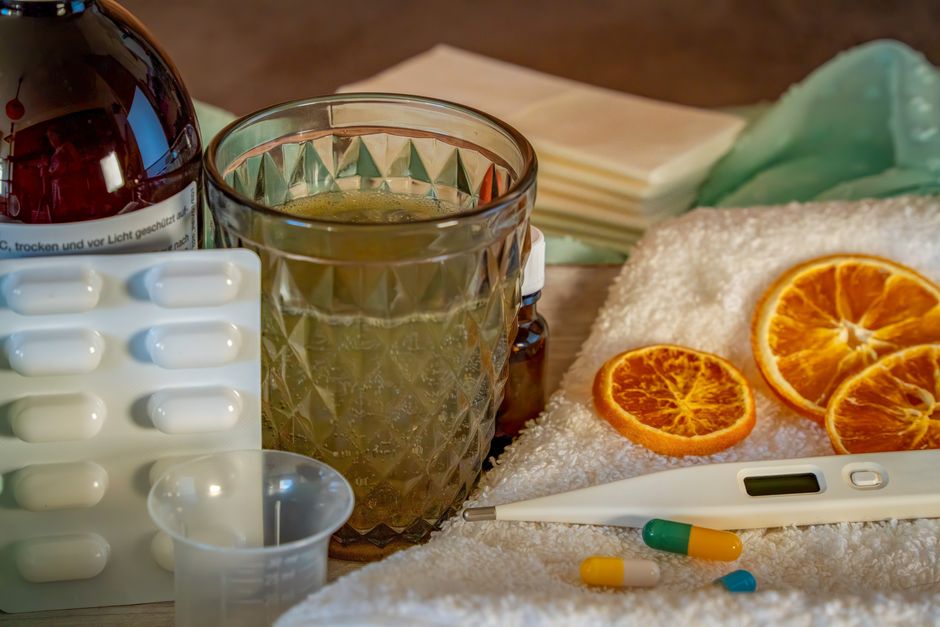
A sinus infection happens when the spaces inside your nose and head get swollen and clogged with fluid. Most sinus infections are caused by viruses, not bacteria, and will clear up on their own in 7 to 10 days. For most people, healing means managing symptoms while your immune system does the work. Here is a straightforward guide on what actually helps and what does not.
What Is a Sinus Infection and What Causes It?
A sinus infection, also called sinusitis, is inflammation of the tissue lining your sinuses. Your sinuses are hollow cavities in your skull around your nose, eyes, and forehead. Normally they drain mucus into your nose. When they become inflamed, mucus builds up, gets trapped, and can become infected.
Viruses cause more than 90 percent of acute sinus infections. The same cold viruses that cause the common cold can inflame your sinuses. Bacteria cause a smaller number of cases, usually when mucus has been trapped for a long time and bacteria start to grow. Fungal sinusitis is rare and mostly affects people with weak immune systems.
Allergies, nasal polyps, a deviated septum, and smoking can all raise your risk of sinus infections. Dry air and air pollution can also irritate sinuses and make infections more likely.
How To Heal a Sinus Infection at Home
Healing a sinus infection mostly means helping your sinuses drain and keeping symptoms under control. The goal is not to “kill” the infection directly — your immune system handles that — but to reduce blockages and discomfort.
Saline rinses are one of the most effective home remedies. A salt water rinse helps thin mucus and flush out irritants from your nasal passages. You can use a neti pot or a squeeze bottle with a sterile saline solution. Always use distilled, sterile, or previously boiled water to avoid introducing bacteria.
Steam and humidity can also help thin mucus. Sit in a warm shower, use a humidifier, or breathe in steam from a bowl of hot water. Do not use excessively hot water — it can burn your nasal passages. Some research suggests that humidity above 50 percent can improve nasal congestion.
Rest and hydration matter. Your body heals best when you are well rested and drinking enough fluids. Water, clear broths, and herbal teas can help keep mucus thin. Aim for enough fluid so your urine is light yellow.
Over-the-counter medications can relieve symptoms but do not make the infection go away faster. Pain relievers like acetaminophen or ibuprofen can reduce facial pain and fever. Use as directed on the label. Decongestants like pseudoephedrine can shrink swollen blood vessels in the nose, helping you breathe easier. Do not use nasal spray decongestants (like oxymetazoline) for more than three days — longer use can cause rebound congestion, making symptoms worse.
Saline sprays are safe to use as often as you need. They do not contain medication. They simply moisten nasal passages and can help loosen dried mucus.
Warm compresses placed over your face can ease pressure and pain. Apply a warm, damp cloth over your forehead, cheeks, or nose for several minutes as needed.
When to See a Doctor for a Sinus Infection
Most sinus infections do not need medical treatment. But you should see a doctor if your symptoms last longer than 10 days without improving. Also see a doctor if you have severe symptoms — such as a fever above 102°F, intense pain around your eyes or forehead, or swelling on your face.
Other reasons to seek care include: symptoms that get better then suddenly get worse (called double worsening), vision changes, confusion, or a stiff neck. These can be signs of a more serious infection spreading beyond the sinuses.
If you have recurrent sinus infections — four or more per year — a doctor may refer you to an ear, nose, and throat specialist. Chronic sinusitis is defined as sinus inflammation lasting 12 weeks or longer despite treatment. This requires a different approach than acute sinusitis.





Can Antibiotics Help a Sinus Infection?
Antibiotics only work against bacteria. Since the vast majority of sinus infections are viral, antibiotics are rarely helpful. Taking antibiotics when you do not need them can cause side effects like diarrhea, rash, and contribute to antibiotic resistance, which makes future infections harder to treat.
If your doctor diagnoses a bacterial sinus infection, they may prescribe an antibiotic. Guidelines recommend waiting 7 to 10 days before starting antibiotics for uncomplicated cases, because many bacterial infections also resolve on their own. The decision depends on how severe and persistent your symptoms are.
A common myth is that green or yellow mucus means you need antibiotics. That is not true. Viral infections and even allergies can produce colored mucus. The color comes from dead immune cells, not bacteria. Rely on the duration and severity of symptoms, not mucus color, to judge.
Steroid nasal sprays are sometimes prescribed to reduce inflammation. These can help with swelling, especially in people with allergies or chronic sinusitis. They are not a treatment for infection itself.
How To Prevent Sinus Infections
Prevention focuses on reducing viral infections and keeping sinuses healthy. Wash your hands frequently. Avoid touching your face. Stay away from people who are sick if you can.
Manage allergies well. If you have seasonal allergies, taking antihistamines or using a nasal steroid spray during allergy season can reduce sinus inflammation and the chance of a secondary infection.
Keep the air in your home moist. A humidifier set to 40–50 percent humidity can help prevent nasal passages from drying out. Clean the humidifier regularly to avoid mold growth.
If you smoke, stop. Smoking irritates the lining of your sinuses and weakens your immune system. Secondhand smoke is also harmful. Avoid other airborne irritants like strong fumes, pollution, and dust.
Stay hydrated every day, not just when you are sick. Adequate fluid intake keeps mucus thin and moving.
Frequently Asked Questions
How long does a sinus infection usually last?
A viral sinus infection typically lasts 7 to 10 days. Bacterial infections may last longer, especially if untreated. If symptoms persist beyond 10 days or worsen after improvement, see a doctor.
Can you get rid of a sinus infection without antibiotics?
Yes, most sinus infections clear up without antibiotics. Home care like saline rinses, rest, and pain relievers support your immune system as it fights the virus. Only bacterial infections may need antibiotics, and even some of those resolve on their own.
Is it safe to use a neti pot every day?
Using a neti pot with sterile saline once or twice daily during a sinus infection is safe for short periods. For everyday prevention, it is not necessary for most people. Always use water labeled sterile, distilled, or previously boiled to avoid infection.
What makes a sinus infection turn into something serious?
Rarely, a sinus infection can spread to the eye socket, bones, or the brain. Signs include severe headache, high fever, vision changes, confusion, or swelling around the eye. These require immediate medical attention.
