
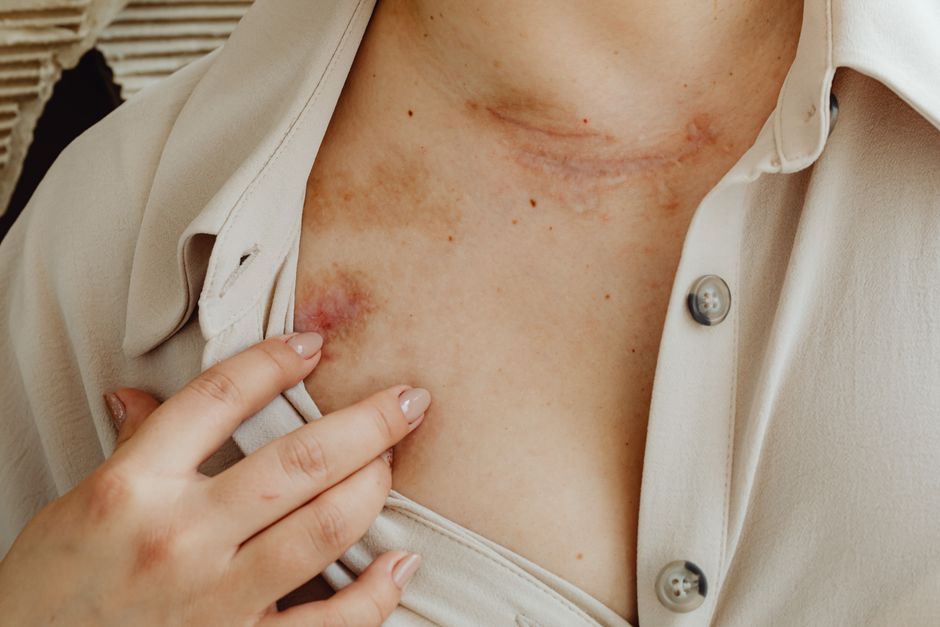
A scab is a natural bandage your body creates. It forms when blood clots and dries over a wound, protecting the damaged skin underneath while new cells grow. The way you treat that scab in the days after an injury determines how your skin looks later. The goal is simple: keep the wound moist, keep it clean, and do not pick at it. This approach minimizes scarring and dramatically lowers the risk of infection.
Most minor scrapes and cuts heal without any special products. Your body knows what to do. But you can support the process with a few basic steps. Start by cleaning the wound gently with mild soap and water. Then apply a thin layer of petroleum jelly and cover it with a bandage. Change the dressing daily or whenever it gets wet or dirty. This keeps the scab soft, which helps it form a smaller, less noticeable scar.
Why Do Scabs Form and What Do They Do?
A scab is a protective crust made of platelets, fibrin, and red blood cells. When you cut yourself, your blood vessels constrict to slow bleeding. Platelets clump together and form a clot. That clot dries and hardens into a scab. This process is called hemostasis, and it is the first stage of wound healing.
Underneath the scab, your immune system sends white blood cells to fight off bacteria. New blood vessels grow to supply oxygen and nutrients. Skin cells called keratinocytes multiply and migrate across the wound bed. Over days or weeks, the scab falls off on its own, revealing fresh skin underneath.
The scab acts as a physical barrier. It keeps dirt and bacteria out while the wound repairs itself. But a scab is not essential for healing. In fact, modern wound care often uses dressings that keep wounds moist and covered, which can speed healing and reduce scarring compared to letting a scab form and dry out completely.
How To Heal A Scab Without Scarring Or Infection
Keep the wound moist. This is the single most important step. A moist environment allows skin cells to move across the wound surface more easily. Dry scabs can crack and delay healing. Studies have consistently shown that wounds kept moist heal faster and scar less than wounds allowed to dry out.
Apply a thin layer of petroleum jelly or an ointment like Aquaphor to the scabbed area. This locks in moisture and prevents the scab from becoming hard and brittle. Some people use antibiotic ointments, but these are not necessary for clean wounds. Plain petroleum jelly works just as well for preventing infection because it creates a seal against bacteria.
Cover the wound with a bandage or dressing. A bandage keeps the area clean, absorbs any drainage, and prevents you from scratching or picking at the scab. Change the dressing at least once a day. If the bandage sticks to the wound, soak it in warm water for a few minutes before removing it. Pulling a bandage off a dry scab can rip off new skin cells and set healing back.
Leave the scab alone. Do not pick, scratch, or peel it. Picking at a scab opens the wound again, introduces bacteria from your fingers, and can turn a small injury into a larger scar. If the scab itches, that is a sign of healing. Resist the urge to scratch. You can gently tap the area or apply a cool compress to calm the itch.
What to Avoid While a Scab Heals
Do not soak the wound for long periods. Brief showers are fine, but prolonged soaking in a bath or pool can soften the scab too much and allow bacteria in. Pools, hot tubs, and lakes contain bacteria that can cause infections, especially in open wounds.
Avoid hydrogen peroxide and rubbing alcohol. These antiseptics kill bacteria, but they also damage healthy skin cells. Research has shown that hydrogen peroxide can slow healing by harming the new tissue trying to grow. Plain soap and water is all you need to clean a minor wound. If you want an antiseptic, use a mild povidone-iodine solution diluted with water, but even this is usually unnecessary for minor scrapes.
Do not expose the wound to direct sunlight. Sun exposure can darken healing skin and make scars more visible. Keep the area covered or use sunscreen once the wound has closed and the scab has fallen off. New skin is especially sensitive to UV damage for months after an injury.




Signs of Infection You Should Not Ignore
Most minor wounds heal without problems. But infection can happen, and it needs prompt attention. Redness around the wound is normal in the first few days. It becomes concerning when the redness spreads outward, rather than shrinking.
Watch for these signs: increasing pain, warmth around the wound, yellow or green pus, a foul odor, or red streaks extending from the wound toward your heart. Fever is another warning sign. If you notice any of these, see a healthcare provider. Do not wait to see if it gets better on its own. An infected wound can spread to deeper tissues and cause serious complications if left untreated.
People with diabetes, weakened immune systems, or poor circulation should be especially vigilant. Their bodies are less able to fight off infection, and even small wounds can become serious. If you have any of these conditions and get a wound, monitor it closely and seek medical advice early.
Does What You Eat Affect Scab Healing?
Your body needs nutrients to build new skin. Protein is the most important one. Skin is made of collagen, which is a protein. Eating adequate protein gives your body the building blocks it needs. Good sources include lean meat, eggs, dairy, beans, and nuts.
Vitamin C is also important. Your body uses it to make collagen. Citrus fruits, strawberries, bell peppers, and broccoli are rich in vitamin C. Zinc supports immune function and cell growth. You can find zinc in meat, shellfish, and legumes.
Most people get enough of these nutrients from a normal diet. There is no evidence that mega-doses of vitamins speed up wound healing in healthy people. Eating a balanced diet is sufficient. If you are malnourished or have a known deficiency, correcting that deficiency will help. But for most people, no special supplements are needed.
When Will the Scab Fall Off and What Comes Next?
Healing time depends on the size and depth of the wound. A minor scrape can heal in a few days. A deeper cut may take two to three weeks. The scab falls off when the skin underneath is ready. It may come off in pieces or all at once. Do not pull it off early.
After the scab falls off, the new skin will look pink and shiny. This is normal. It may feel tender and sensitive for a few weeks. The pink color fades over time, usually within a few months. In some cases, it can take up to a year for a scar to fully mature and fade.
Once the wound has closed, you can start using silicone gel or silicone sheets. These products have been shown in clinical studies to reduce scar appearance. They work by hydrating the scar tissue and regulating collagen production. Silicone products are available over the counter and are generally well tolerated. Apply them daily for several months for best results.
Massage the healed area gently. Once the skin is fully closed and no longer tender, massaging the scar for a few minutes daily can help break up tight tissue and improve its appearance. Use a moisturizer or silicone gel as a lubricant. This is a simple practice with some evidence of benefit.
Frequently Asked Questions
Should I let a scab dry out or keep it moist?
Keep it moist. A moist environment speeds healing and reduces scarring. Dry scabs crack and delay the repair process.
Can I put makeup on a scab?
It is best to avoid makeup over an open wound or scab. Makeup can introduce bacteria and irritate the healing skin. Wait until the wound has closed and the scab has fallen off.
How long does it take for a scab to heal?
Most minor scabs heal within one to two weeks. Deeper wounds can take three weeks or longer. The scab falls off when the new skin underneath is ready.
Does picking a scab always leave a scar?
Picking increases the risk of scarring but does not guarantee one. It reopens the wound, invites bacteria, and damages new skin cells. The best approach is to leave it completely alone.
