
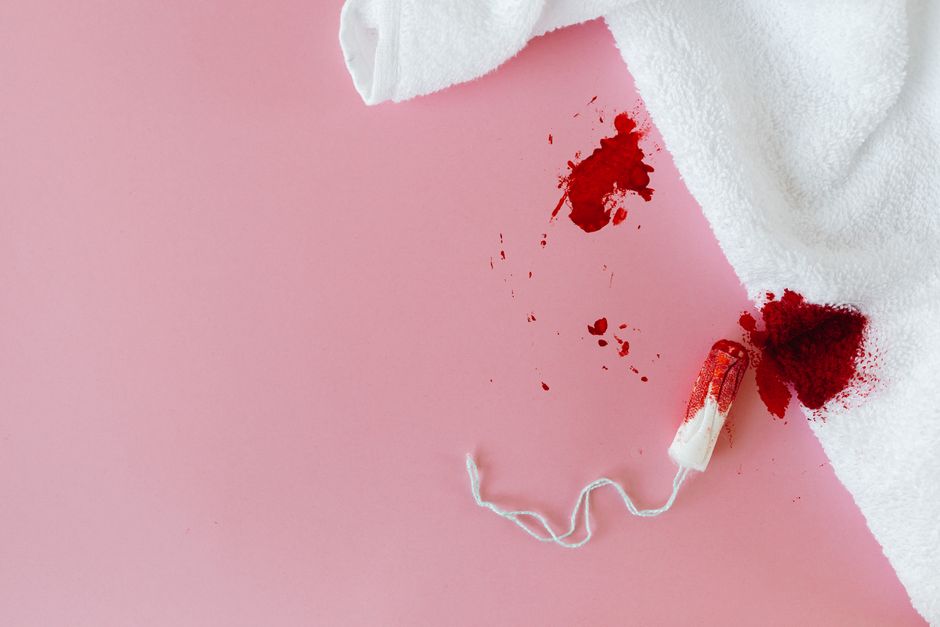
Many women notice their yeast infection symptoms change right before or during their period. Sometimes symptoms get worse. Sometimes they seem to get better. The short answer is that your period does not cure a yeast infection, but the hormonal shifts and changes in your vaginal environment during menstruation can temporarily affect how you feel. The infection itself usually remains until it is properly treated.
Why Do Yeast Infection Symptoms Change Around Your Period?
The hormonal changes of your menstrual cycle directly affect your vaginal environment. In the days before your period, estrogen and progesterone levels drop. This change alters the pH and sugar content of your vaginal tissues.
Yeast, specifically Candida albicans, feeds on sugar. When estrogen levels fall, the cells lining your vagina produce less glycogen, which is a type of sugar. Some research suggests this reduction in available sugar can slow yeast growth temporarily. This is one reason some women feel relief from itching and burning during their period.
However, this relief is not a cure. The yeast is still present in your vaginal tissues. It is just less active because its food source has changed.
Can Menstrual Blood Actually Fight Off Yeast?
Menstrual blood itself does not kill yeast. There is no evidence that blood has antifungal properties that would eliminate a Candida infection.
What blood does do is change the pH of the vagina. Normal vaginal pH is between 3.8 and 4.5, which is acidic. Menstrual blood has a higher pH, closer to 7.4. When blood mixes with vaginal fluids, it temporarily raises the vaginal pH.
This change can affect yeast. Some studies suggest that a less acidic environment may slow yeast growth. But this effect is temporary and inconsistent. Once your period ends and your pH returns to normal, the yeast can resume its normal growth pattern. The infection will likely return to its previous level of symptoms.
Why Do Some Women Feel Worse During Their Period?
For many women, yeast infection symptoms actually worsen during menstruation. This is not contradictory. It reflects the complexity of the vaginal environment.
Blood changes the pH balance. A higher pH can disrupt the normal protective bacteria, particularly Lactobacillus. These bacteria usually keep yeast in check. When they are disrupted, yeast can overgrow.
Menstrual blood also provides a warm, moist environment. Yeast thrives in warmth and moisture. Pads and tampons can trap heat and moisture, creating ideal conditions for yeast to multiply.
Additionally, some women experience increased sensitivity during their period. The vulvar tissues may already be irritated from pads or from the general hormonal shifts. Adding a yeast infection on top of this can make the discomfort feel more intense.



Is It a Yeast Infection or Something Else?
This is an important question. Many conditions cause symptoms similar to a yeast infection, and your period can complicate the picture.
Bacterial vaginosis (BV) is one common condition that can mimic yeast infections. BV causes a thin, grayish discharge with a fishy odor. The symptoms often worsen around menstruation because the higher pH of blood favors the bacteria that cause BV.
Other conditions to consider include:
- Trichomoniasis — a sexually transmitted infection that causes itching, burning, and a frothy discharge
- Contact dermatitis — irritation from soaps, detergents, or sanitary products
- Herpes — which can cause vulvar pain and lesions
If you are not certain your symptoms are from a yeast infection, do not treat it with over-the-counter antifungal creams. Using the wrong treatment can delay proper care and make the actual condition worse. A doctor can take a simple swab and tell you exactly what you are dealing with.
Can You Treat a Yeast Infection While on Your Period?
Yes, you can and should treat a yeast infection during your period. Waiting until your period ends is unnecessary and prolongs your discomfort.
Over-the-counter antifungal treatments work the same way regardless of your menstrual cycle. These include creams, suppositories, and oral tablets like fluconazole (if prescribed by your doctor).
There is one practical consideration. Vaginal suppositories and creams can mix with menstrual blood and leak out more than usual. This may reduce the amount of medication that stays in contact with the vaginal tissues. Some clinicians recommend using a pad rather than a tampon during treatment so the medication is not absorbed. If you are using a vaginal insert, check the package instructions. Some products are designed to work with a period and some are not.
Oral medication, such as fluconazole, is not affected by your period at all. It works systemically through your bloodstream. If you prefer this route, ask your doctor about a prescription.
Does Having Your Period Affect the Risk of Getting a Yeast Infection?
The days right before your period can increase your risk of developing a yeast infection. This is related to the drop in estrogen that occurs at this time.
Estrogen supports the growth of Lactobacillus, the protective bacteria in the vagina. When estrogen falls, Lactobacillus populations decline. This leaves the door open for yeast to overgrow.
Some women experience recurrent yeast infections that follow a clear pattern with their menstrual cycle. They get an infection every month at the same time. For these women, the hormonal trigger is consistent.
If you notice this pattern, talk to your doctor. There are strategies to manage hormone-related yeast overgrowth. Some doctors recommend a longer course of antifungal treatment. Others may suggest a maintenance dose taken at a specific point in your cycle. These approaches require medical supervision and are not something to try on your own.
When Should You See a Doctor?
Occasional yeast infections are common and often treatable at home. But some situations require medical attention.
See a doctor if:
- This is your first yeast infection and you have never had one diagnosed
- You are pregnant
- You have recurrent infections (four or more per year)
- You have diabetes or a weakened immune system
- Your symptoms do not improve after completing a full course of treatment
- You have fever, chills, or pelvic pain
- Your discharge has a strong odor or an unusual color
Recurrent yeast infections may indicate an underlying issue. This could be poorly controlled blood sugar, a different strain of yeast that is resistant to common treatments, or a condition that is not actually yeast at all.
Can Home Remedies Help During Your Period?
Many home remedies for yeast infections circulate online. Most lack solid evidence. Some can actually make things worse.
Do not insert garlic, yogurt, tea tree oil, or any other substance into your vagina. These can irritate delicate tissues and disrupt the natural balance further. No clinical evidence supports these practices.
Eating yogurt or taking probiotic supplements may support overall vaginal health, but the evidence that they treat an active yeast infection is limited. Some studies suggest probiotics may help prevent recurrence, but they are not a substitute for antifungal treatment.
Keeping the area clean and dry is reasonable during your period. Change pads and tampons regularly. Wear loose, breathable cotton underwear. Avoid scented products, which can irritate already sensitive tissues.
Frequently Asked Questions
Can your period help a yeast infection go away on its own?
No. Hormonal changes during your period may temporarily reduce symptoms, but the yeast remains in your vaginal tissues. A yeast infection requires antifungal treatment to clear completely.
Why does my yeast infection itch more during my period?
Menstrual blood raises vaginal pH and disrupts protective bacteria, which can allow yeast to grow more actively. Pads and tampons also trap warmth and moisture, which yeast thrives in.
Is it safe to use yeast infection cream while on my period?
Yes, it is safe. Vaginal creams and suppositories work normally during menstruation, though they may leak more when mixed with blood. Oral antifungal medication is not affected by your period at all.
Can I use a tampon while treating a yeast infection?
It is better to use pads during treatment. Tampons can absorb the medication and reduce how much stays in contact with your vaginal tissues. Check the product instructions for specific guidance.
