
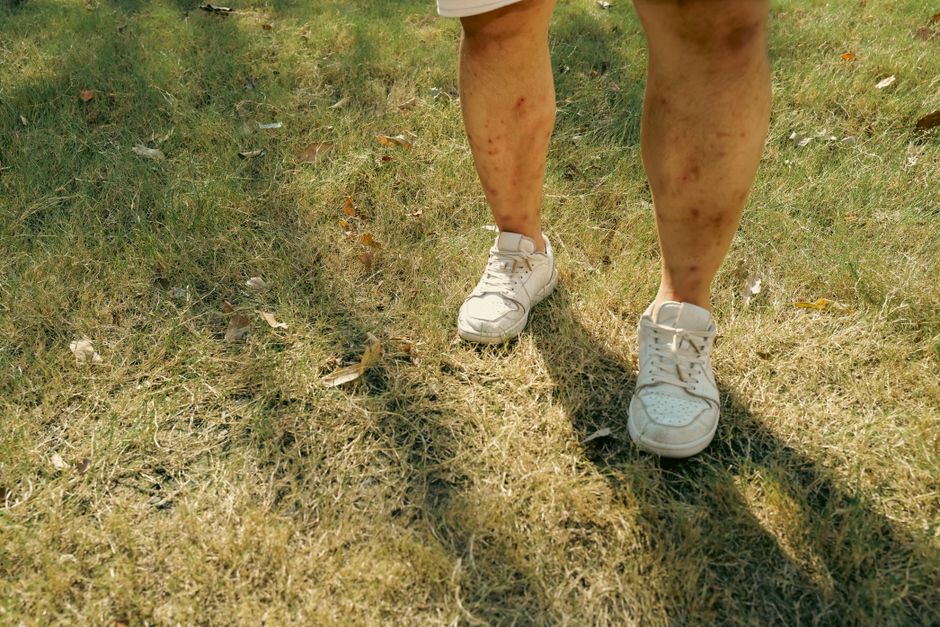
You feel a sudden sharp pain in your lower leg and you know something is wrong. A pulled calf muscle stops you in your tracks and makes walking up stairs feel impossible. The good news is most calf strains heal fully with the right care. Here is the step by step process: rest the muscle immediately apply ice for 15-20 minutes every 2-3 hours and compress the area with an elastic bandage. After the first 48 to 72 hours begin gentle stretching and light movement. Full recovery usually takes 1 to 6 weeks depending on how bad the tear is.
What Exactly Is a Pulled Calf Muscle?
A pulled calf muscle is a strain in one of two muscles at the back of your lower leg. The gastrocnemius is the big muscle you can see. The soleus sits underneath it. These muscles work together to point your foot down and push you forward when you walk or run.
When you pull the muscle small tears happen in the muscle fibers. A mild strain means a few fibers are overstretched. A severe strain means the muscle is partially or fully torn. The American Academy of Orthopaedic Surgeons classifies strains into three grades. Grade 1 is mild with little loss of strength. Grade 2 is moderate with some loss of function. Grade 3 is a complete tear that often needs medical care.
The pain usually comes on suddenly. You might hear or feel a pop. Swelling and bruising often follow. Walking on your toes may be impossible if the gastrocnemius is involved.
Does Rest Really Heal a Pulled Calf Muscle?
Yes rest is essential but it does not mean doing nothing for weeks. Research published in the Journal of Orthopaedic & Sports Physical Therapy shows that early controlled movement works better than complete immobilization for most muscle strains. The key is knowing when to rest and when to move.
For the first 48 hours rest means staying off your leg as much as possible. Use crutches if walking hurts. Avoid any activity that stretches or contracts the calf. Do not try to “walk it off.” That can turn a Grade 1 strain into a Grade 2 strain.
After the acute phase rest shifts to active recovery. You rest from activities that cause pain but you start gentle movement. Complete rest beyond 72 hours can lead to stiffness and muscle wasting. A study in the Scandinavian Journal of Medicine & Science in Sports found that early loading of injured muscles improved healing time in animal models. Human studies support the same idea. Move early but move gently.
How Does Ice and Compression Help?
Ice reduces blood flow to the injured area which helps control swelling and inflammation. Apply ice for 15 to 20 minutes every 2 to 3 hours during the first 48 hours. Do not put ice directly on your skin. Use a thin cloth between the ice pack and your leg. Ice after activity not before.
Compression limits swelling and provides support to the injured muscle. An elastic bandage like an ACE wrap works well. Wrap from the ankle upward toward the knee. The wrap should feel snug but not tight enough to cut off circulation. If your foot turns blue or feels numb loosen the wrap immediately.
Elevation works together with ice and compression. Keep your leg raised above heart level when you are sitting or lying down. This helps fluid drain away from the injury. A study in the American Journal of Emergency Medicine found that elevation combined with compression reduced swelling more than either method alone.



When Should You Start Stretching and Strengthening?
Gentle stretching can begin after the first 72 hours once the sharp pain has settled. The towel stretch is a safe starting point. Sit on the floor with your leg straight out. Loop a towel around your foot and gently pull your toes toward you. You should feel a mild pull in the calf not sharp pain. Hold for 15 to 30 seconds. Repeat three times. Do this two to three times per day.
Strengthening starts later usually around day 5 to 7 for a mild strain. The heel drop exercise is one of the best. Stand on a step with your heels hanging off the edge. Slowly lower your heels below the step level. Go only as far as feels comfortable. Hold for a few seconds then push back up. Start with 5 repetitions and build up gradually.
Research in the British Journal of Sports Medicine shows that eccentric exercises like heel drops reduce re-injury risk significantly. The same study found that people who waited too long to start strengthening had worse outcomes. Do not rush but do not delay too much either. If stretching or strengthening causes sharp pain stop and wait another day.
| Recovery Phase | Time Frame | What to Do |
|---|---|---|
| Acute | 0 to 72 hours | Rest ice compression elevation |
| Sub-acute | 3 to 7 days | Gentle stretching light movement |
| Rehabilitation | 1 to 6 weeks | Strengthening exercises gradual return to activity |
What Mistakes Slow Down Healing?
The most common mistake is returning to activity too soon. A pulled calf muscle needs time for the torn fibers to knit back together. Going back to running or jumping before the muscle is ready often leads to re-injury. Research shows re-injury rates for calf strains are between 20 and 30 percent within the first year. Most of those happen in the first few weeks after return.
Another mistake is ignoring the soleus muscle. People focus on stretching the gastrocnemius and forget about the soleus. The soleus is activated when your knee is bent. To stretch it keep your knee bent and pull your toes toward you. If you only stretch with a straight leg you miss half the muscle.
- Do not apply heat in the first 48 hours. Heat increases blood flow and swelling.
- Do not massage the injured area aggressively in the first week. This can worsen the tear.
- Do not take anti-inflammatory drugs like ibuprofen for more than a few days. Some research suggests they may slow down muscle healing long term.
- Do not ignore a popping sound or inability to walk. These can signal a complete tear that needs medical evaluation.
Many people also forget to address the underlying cause. A pulled calf often happens because of tight calf muscles weak ankle stabilizers or poor footwear. If you fix the injury but not the cause you are likely to get injured again.
How To Heal A Pulled Calf Muscle and Prevent It From Happening Again
Preventing a repeat calf strain requires consistent work on flexibility and strength. Daily calf stretching should become a habit especially if you are a runner or play sports. Hold each stretch for 30 seconds. Do both the straight leg and bent knee versions.
Strengthening the calf muscles with eccentric exercises is one of the most evidence-backed prevention strategies. A study published in the American Journal of Sports Medicine followed athletes who did heel drops after a calf strain. Those who continued the exercises had a significantly lower re-injury rate than those who stopped.
Footwear matters more than most people realize. Shoes with worn-out soles change your walking mechanics and put extra stress on the calf. Replace running shoes every 300 to 500 miles. Choose shoes with good heel support if you have tight calves.
Warming up properly before activity also reduces risk. A five minute walk or light jog followed by dynamic stretches like ankle circles and leg swings prepares the muscle for work. Cold muscles tear more easily than warm ones. This is not a myth. Studies in the Journal of Strength and Conditioning Research confirm that muscle temperature affects tissue elasticity.
Frequently Asked Questions
How long does it take to heal a pulled calf muscle?
Mild strains heal in 1 to 2 weeks. Moderate strains take 3 to 6 weeks. Severe tears can take 3 months or more.
Can I walk on a pulled calf muscle?
Walking is safe if it does not cause sharp pain. Use crutches for the first day or two if needed. Limping can cause other problems.
Should I see a doctor for a pulled calf muscle?
See a doctor if you cannot walk at all if you heard a pop or if the bruising is severe. These can indicate a complete tear.
Is heat or ice better for a pulled calf muscle?
Ice is better for the first 48 to 72 hours. Heat can be used after that to relax tight muscles before stretching.
