
Muscle inflammation after hard exercise is normal and usually peaks in the first 24 to 72 hours. What helps most is not a supplement but the basics your body already uses to repair tissue: sleep, adequate protein, gentle movement, and time. Ice and anti-inflammatory drugs can ease pain, but evidence suggests they may slow some of the repair signals your muscles need.
That runs against a lot of what people hear. So it helps to understand what inflammation after exercise actually is, what it is not, and which remedies have real evidence behind them.
What Is Muscle Inflammation After Exercise?
Most of what people call muscle inflammation is a normal repair response, not a disease. When you stress muscle beyond what it is used to, tiny amounts of structural damage occur in the muscle fibers. The immune system responds by sending cells to clean up and rebuild. That process causes swelling, tenderness, and stiffness.
Scientists call the resulting soreness delayed onset muscle soreness, or DOMS. It is most common after unfamiliar activity or movements that lengthen the muscle under load, such as descending stairs or lowering a weight slowly. The soreness typically builds over the first day or two and fades within about three to five days.
This is different from inflammation caused by infection, autoimmune disease, or injury. Those involve the immune system attacking tissue or fighting a threat, and they need medical assessment. Ordinary post-exercise soreness does not.
One clarification worth holding onto: soreness is not a reliable measure of how good a workout was. You can train effectively with little soreness, and you can be very sore after a session that did not build much strength. Muscle growth and fitness come from progressive overload and recovery, not from how much it hurts the next day.
What Helps With Muscle Inflammation Fast?
Nothing makes it vanish in an hour. The honest answer is that several things reliably reduce soreness and support recovery over one to three days, and the fastest route is combining them.
- Sleep. This is the single most underrated recovery tool. Growth hormone release and tissue repair happen largely during sleep. Short sleep is consistently linked with slower recovery and more soreness.
- Protein. Muscle repair needs amino acids. General sports nutrition guidance suggests roughly 1.2 to 2.0 grams of protein per kilogram of body weight per day for people doing regular resistance or endurance training. For most adults that means spreading protein across meals rather than loading it all at dinner.
- Gentle movement. Light activity such as walking or easy cycling increases blood flow and often reduces stiffness. It does not speed tissue repair directly, but it makes the sore period more comfortable.
- Hydration. Dehydration worsens the way soreness feels and impairs physical performance. Drinking to thirst and replacing fluid lost through sweat is the practical approach.
- Time. This is not a cop-out. The repair process has a natural timeline, and no product has been shown to shorten it dramatically.
None of these are dramatic. They are also the only things with consistent evidence behind them.
Does Ice Help or Hinder Muscle Recovery?
Ice reduces pain. Whether it helps recovery is a different question, and the evidence is more mixed than most people assume.
Cold slows nerve signaling, which is why it numbs sore tissue. That part is reliable. But some research suggests that regular cold water immersion after strength training may blunt some of the signaling that drives muscle adaptation. In other words, it might reduce soreness while slightly reducing the training benefit.
The picture is not settled. Some studies find little effect on long-term gains, and elite athletes use ice baths routinely for reasons that may matter more in competition settings than in everyday training. The reasonable position:
- Use ice or cold packs for pain relief when soreness is interfering with sleep or daily function.
- Do not treat icing as a required recovery step after every workout.
- If your goal is building muscle, be cautious about routine post-training cold immersion.
Heat works differently. Warm showers, heating pads, or a warm bath can relax tight tissue and feel good, but there is no strong evidence that heat speeds muscle repair either.


Do Anti-Inflammatory Drugs and Supplements Work?
This is where marketing and evidence part ways most sharply. Nonsteroidal anti-inflammatory drugs, or NSAIDs, such as ibuprofen and naproxen, reduce pain and swelling. They do this by blocking enzymes involved in producing inflammatory signals. The catch is that some of those same signals are part of the repair process.
Some research suggests that routinely using NSAIDs around training may slightly reduce muscle adaptation over time. The effect appears modest, and occasional use for significant pain is a different matter than regular use. Anyone with kidney problems, stomach ulcers, heart conditions, or who takes blood thinners should talk to a clinician before using them. This is general information, not medical advice for your situation.
On supplements, the honest summary is that most claims outrun the evidence:
- Turmeric and curcumin. Some small studies suggest reduced soreness, but results vary and product quality differs widely. Evidence is not strong enough to call it a reliable fix.
- Tart cherry juice. Several small studies suggest modest reductions in soreness. The effect is not large, and much of the research is in small groups.
- Omega-3 fatty acids. Evidence for reducing exercise soreness is mixed. They have other well-established roles, but fast soreness relief is not one of them.
- Branched-chain amino acids. Popular, expensive, and not well supported for reducing soreness when protein intake is already adequate.
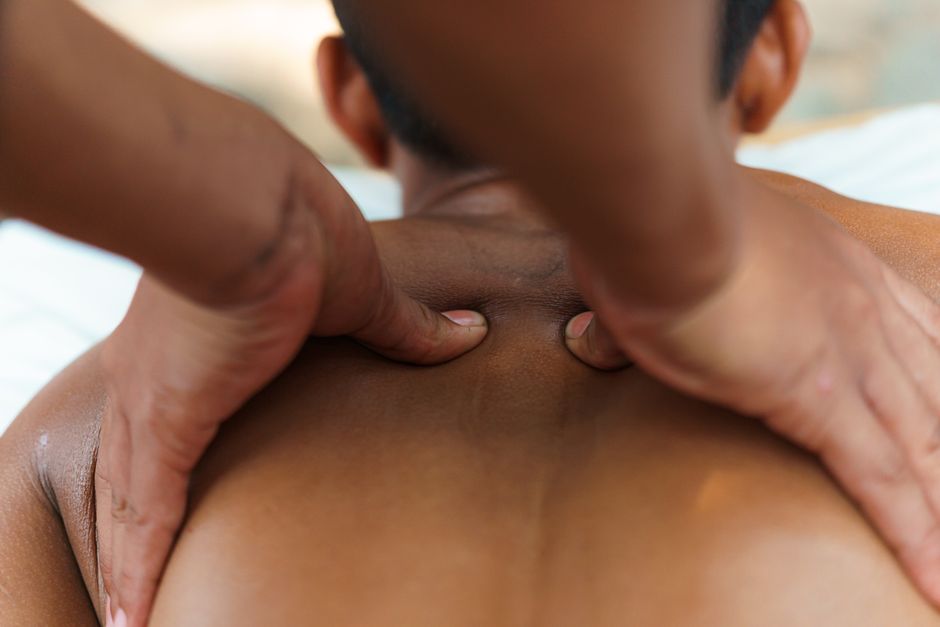
- Massage and foam rolling. Some studies suggest modest short-term relief of soreness. The effect is real but temporary.
No supplement has been shown to reliably speed muscle repair in a way that matters clinically. Anyone selling a fast fix is selling a story, not a result.
When Is Muscle Soreness a Warning Sign?
Ordinary soreness is uncomfortable but predictable. It is symmetric, it follows a workout, and it improves day by day. Some symptoms are not ordinary and need medical attention.
Seek care promptly for:
- Severe pain that worsens instead of improving
- Swelling, warmth, or redness in one limb, especially with calf pain
- Dark brown or cola-colored urine after intense exercise
- Weakness that does not improve, or inability to bear weight
- Fever, or soreness without any recent exercise
Dark urine after extreme exertion can signal a serious condition called rhabdomyolysis, in which muscle breaks down rapidly and releases contents that can damage the kidneys. It is uncommon but genuinely urgent. This is not a situation to manage at home.
Muscle pain that comes with unexplained weight loss, prolonged fatigue, or pain in many muscles without exercise also deserves a clinician’s look. Several conditions can cause it, and identifying which one requires proper evaluation rather than guesswork.
How Should You Train to Reduce Soreness Over Time?
The most effective long-term strategy is not recovery products. It is smarter training.
Soreness is highest when the workload is unfamiliar. That is why a new exercise hurts more than one you do regularly. Gradually increasing volume and intensity lets the muscle adapt, and the same workout that once caused days of soreness eventually causes little.
The repeated bout effect is worth knowing about. After one bout of a new movement, a second bout of the same movement done within a few weeks causes noticeably less soreness. The muscle essentially adapts to the stress. This is one reason consistency beats occasional heroic sessions.
Practical habits that reduce soreness:
- Increase training volume gradually rather than in jumps.
- Warm up with light movement before loading a muscle.
- Include recovery days between hard sessions for the same muscle groups.
- Prioritize sleep, especially after the hardest sessions.
- Eat enough protein and total calories to support repair.
None of this is exciting. It is also what the evidence supports.
Bottom Line
Fast relief from muscle inflammation comes from sleep, protein, hydration, gentle movement, and patience. Ice and anti-inflammatory drugs can reduce pain, but routine use may interfere with some of the repair signals your muscles rely on. Most supplements have weak or mixed evidence and should not be treated as reliable fixes.
If soreness is severe, one-sided, or comes with dark urine or fever, get medical help rather than waiting it out.
Frequently Asked Questions
How long does muscle inflammation last after exercise?
Typical soreness peaks between 24 and 72 hours and fades within about three to five days. Soreness that lasts longer or worsens should be checked by a clinician.
Is heat or ice better for sore muscles?
Ice is better for numbing pain, while heat can relax tight tissue and feel more comfortable. Neither has strong evidence for speeding muscle repair.
Should I take ibuprofen after every workout?
No. Routine use around training may slightly blunt some muscle adaptation, and NSAIDs carry real risks for the stomach, kidneys, and heart. Occasional use for significant pain is a different situation, and anyone with health conditions should ask a clinician first.
Can stretching prevent muscle soreness?
Stretching before or after exercise has not been shown to reliably prevent soreness. Gradual increases in training load and adequate sleep are better supported.
