
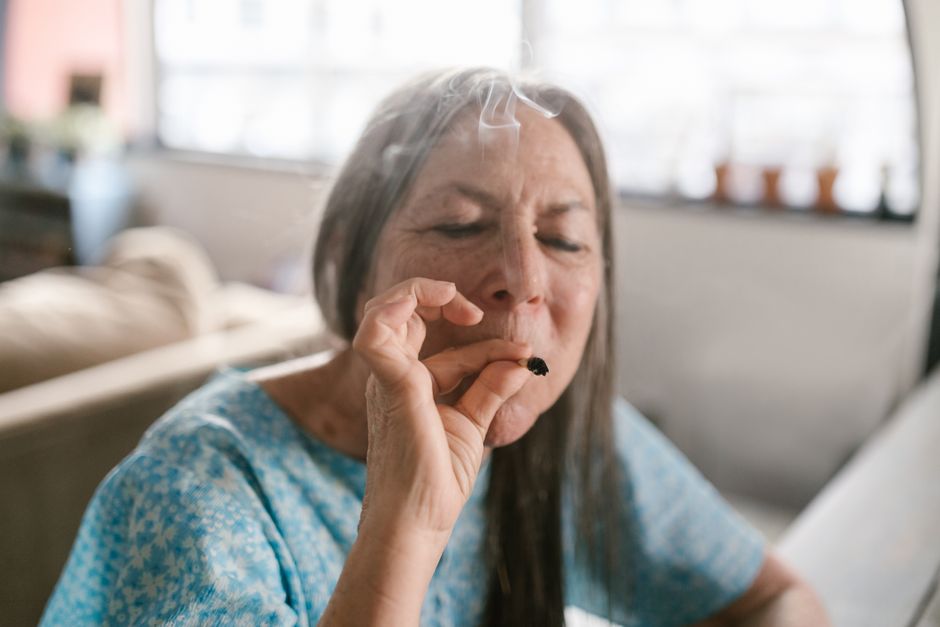
Cannabis use disorder is a recognized medical condition in which a person keeps using cannabis despite real problems it causes in their health, work, relationships, or daily life. It is listed in the DSM-5, the standard manual used to diagnose mental health conditions in the United States. It is not the same as casual or occasional use, and it is not a moral failing. It is a pattern of use that becomes hard to control, and it can be treated.
What Is Cannabis Use Disorder?
Cannabis use disorder (CUD) is a clinical diagnosis, not a judgment about someone’s choices. It describes a problematic pattern of cannabis use that leads to significant distress or impairment. The word “disorder” here is a medical term. It means the pattern of use is causing measurable harm.
The DSM-5 groups cannabis use disorder with other substance use disorders. The same framework applies to alcohol, opioids, and other drugs. The diagnosis is built on a set of criteria, and the number of criteria a person meets determines whether the disorder is mild, moderate, or severe.
An important point: many people use cannabis without developing a disorder. Use and disorder are not the same thing. The question clinicians ask is not “does this person use cannabis” but “is this use causing harm and becoming hard to stop.”
What Are the Signs and Symptoms of Cannabis Use Disorder?
The signs fall into a few broad areas. The most telling ones involve loss of control and continued use despite consequences.
Common signs include:
- Using more cannabis, or for longer, than intended
- Wanting to cut down or stop but not managing to
- Spending a lot of time getting, using, or recovering from cannabis
- Cravings or a strong urge to use
- Failing to meet obligations at work, school, or home because of use
- Continuing to use even when it causes problems in relationships
- Giving up activities that used to matter
- Using in situations where it is physically risky
- Continuing use despite knowing it is making a physical or mental health problem worse
- Needing more to get the same effect (tolerance)
- Feeling withdrawal symptoms when not using
Withdrawal from cannabis is real and is now a recognized part of the diagnosis. Symptoms can include irritability, trouble sleeping, reduced appetite, restlessness, and low mood. These usually begin within the first few days after stopping and can last a couple of weeks, though the exact timeline varies by person.
One thing worth separating out: physical dependence and addiction are related but not identical. A person can be physically dependent — meaning they get withdrawal — without meeting the full criteria for cannabis use disorder. The diagnosis depends on the whole pattern, not a single symptom.
What Causes Cannabis Use Disorder?
There is no single cause. Cannabis use disorder develops from a mix of biological, psychological, and social factors, and the interaction between them matters more than any one factor alone.
Cannabis affects the brain’s endocannabinoid system, which is involved in mood, memory, appetite, and reward. With repeated use, the brain can adapt to the presence of THC. This adaptation helps explain tolerance and withdrawal. It does not, on its own, explain why one person develops a disorder and another does not.
Factors that raise risk include:
- Age of first use. Starting in adolescence appears to raise risk, since the brain is still developing.
- Frequency and potency. Using often, or using products with high THC concentration, is linked to higher risk.
- Genetics. A family history of substance use disorders is a known risk factor.
- Mental health. Anxiety, depression, and other conditions often overlap with cannabis use, though the direction of that relationship is complex and not fully settled.
- Environment. Early exposure, stress, trauma, and social context all play a role.
The relationship between cannabis and mental health deserves an honest note. Cannabis use is associated with an increased risk of certain psychiatric symptoms in some people, particularly with heavy use and high-potency products. But association is not the same as cause. Researchers are still working out how much cannabis contributes directly versus how much it reflects shared underlying factors.




How Is Cannabis Use Disorder Diagnosed?
There is no blood test or scan for cannabis use disorder. Diagnosis is based on a clinical interview. A doctor or mental health professional asks about patterns of use, consequences, and symptoms, and checks them against the DSM-5 criteria.
The DSM-5 lists eleven criteria for cannabis use disorder. Meeting two or three indicates a mild disorder. Meeting four or five indicates moderate. Meeting six or more indicates severe. The criteria cover areas like impaired control, social problems, risky use, and physical dependence.
Because cannabis can stay detectable in the body for days to weeks after last use, a positive drug test does not by itself indicate a disorder. Testing shows exposure, not addiction. This distinction matters in workplace, legal, and clinical settings.
How Is Cannabis Use Disorder Treated?
Treatment works, and most people benefit from more than one approach. The evidence base here is smaller than for alcohol or opioid use disorders, which is an honest limitation worth stating plainly.
Behavioral therapies are the mainstay. Cognitive behavioral therapy helps people recognize triggers and build coping skills. Motivational enhancement therapy focuses on strengthening a person’s own reasons for change. Contingency management, which offers rewards for confirmed abstinence, has shown benefit in some studies.
There are currently no medications approved by the FDA specifically for cannabis use disorder. Some medications have been studied, but results have been mixed, and none has become a standard treatment. This is different from opioid use disorder, where approved medications are well established.
For some people, especially those with heavy use, stopping suddenly can bring uncomfortable withdrawal. Clinicians sometimes recommend a gradual reduction rather than abrupt cessation. Anyone with significant mental health symptoms should have those addressed as part of treatment, since the two often travel together.
Relapse is common and is not a sign that treatment failed. It is often part of the process, and it is a signal to adjust the plan rather than abandon it.
Can Cannabis Use Disorder Be Prevented?
Prevention focuses on reducing risk before a pattern takes hold. The clearest evidence points to delaying first use, especially into adulthood, and avoiding very high-THC products.
For parents and young people, honest information works better than scare tactics. The goal is not to exaggerate harm but to give accurate information about how cannabis affects a developing brain and why starting later lowers risk.
For adults who use cannabis, paying attention to how often and how much is reasonable. If use starts to affect sleep, mood, work, or relationships, that is worth a conversation with a doctor. Early attention tends to make change easier than waiting until problems pile up.
When Should Someone Seek Help?
Anyone who is worried about their cannabis use can talk to a doctor or mental health professional. You do not need to meet a full diagnosis to ask questions or get support.
Signs it may be time to seek help include:
- Feeling unable to cut back even when you want to
- Use affecting your job, school, or relationships
- Withdrawal symptoms when you stop
- Using to cope with anxiety, depression, or stress
- Continuing use despite knowing it is making things worse
Treatment is available, and asking for help is a reasonable step, not an admission of failure. The earlier someone addresses a problematic pattern, the more options tend to be available.
Frequently Asked Questions
Is cannabis use disorder the same as being addicted to cannabis?
They overlap closely, but cannabis use disorder is the broader clinical diagnosis. A person can have a mild disorder without full physical addiction, and the diagnosis is based on a pattern of problems rather than a single symptom.
How long does cannabis withdrawal last?
Withdrawal symptoms typically begin within the first few days after stopping and often ease over a couple of weeks. The exact timeline varies from person to person, and some symptoms can linger longer.
Are there medications to treat cannabis use disorder?
No medication is currently approved by the FDA specifically for cannabis use disorder. Some have been studied, but results have been mixed and none has become standard treatment.
Can you develop cannabis use disorder from edibles?
Yes. Edibles contain THC and can contribute to the same patterns of tolerance, craving, and loss of control. The route of use does not change whether a disorder can develop.
