
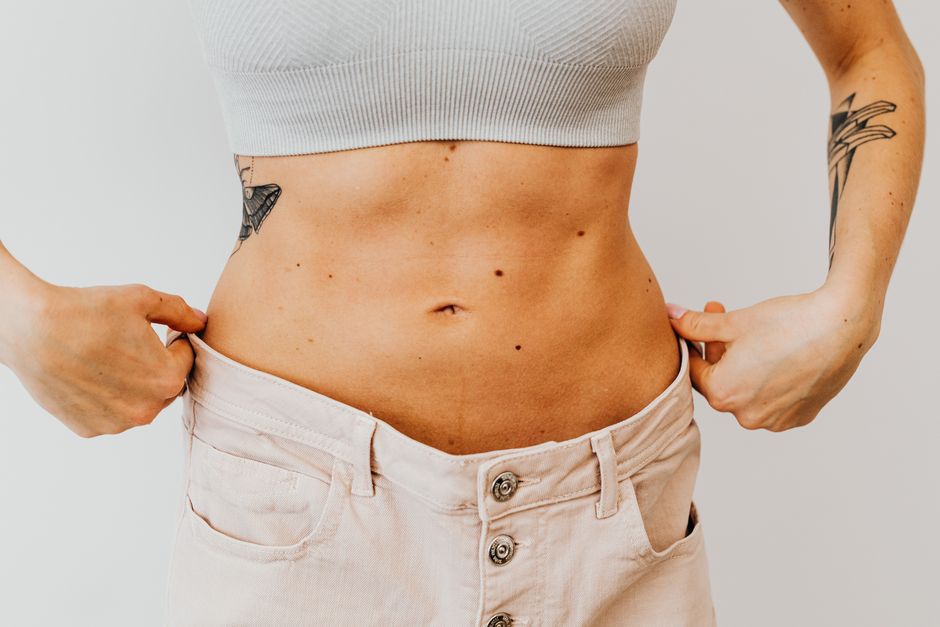
You cannot lose fat in a week. Anyone who tells you otherwise is selling something. What you can do in seven days is reduce bloating, improve posture, and drop some water weight — changes that can make your midsection look visibly flatter without any real fat loss. The plan below focuses on those three things, because they are the only levers that move in a week.
Fat loss takes longer. A realistic rate is roughly 0.5 to 1 kg (about 1 to 2 pounds) per week for many adults, and that is with a consistent calorie deficit. Visible abdominal fat reduction typically takes weeks to months, not days. So if your goal is a flatter-looking belly by next week, the approach has to be different from a long-term fat loss plan.
Why Does Your Belly Look Bloated Even When You Are Not Overweight?
Bloating is the most common reason a belly looks larger than it is. It happens when gas, fluid, or slow-moving digestion causes the abdomen to expand. The abdomen is a flexible space. Even a small amount of extra gas or fluid can change how it looks and feels within hours.
Common triggers include eating quickly, carbonated drinks, high-sodium meals, and certain fermentable carbohydrates. For some people, dairy or wheat causes noticeable bloating. For others, it is simply a matter of eating large meals late at night.
There is a difference between bloating and fat. Fat accumulates gradually and does not appear or disappear in a day. Bloating can appear after one meal and resolve overnight. If your belly looks flat in the morning and distended by evening, you are likely dealing with bloating, not fat gain.
Posture also matters more than most people realize. A forward-leaning posture or an exaggerated lower back curve can push the abdomen forward, making it look larger. Standing tall with a neutral spine can change your silhouette immediately.
What Actually Works To Have a Flat Belly In A Week?
The strategies that produce visible change in seven days target water retention, digestion, and posture. None of them burn meaningful fat. They change how your abdomen looks by reducing what is pressing against it from the inside and how it is positioned.
Here is what the evidence supports:
- Reduce sodium intake. High-sodium meals cause the body to hold extra water. Cutting back on processed foods, restaurant meals, and added salt can reduce water retention within days.
- Drink more water, not less. Counterintuitive but true. Dehydration makes the body conserve water. Staying hydrated helps the body release excess fluid.
- Eat smaller, slower meals. Large meals stretch the stomach and slow digestion. Eating slowly reduces swallowed air.
- Limit carbonated drinks. The gas in fizzy drinks goes into your digestive tract. It has to go somewhere.
- Identify your personal trigger foods. Common culprits include beans, lentils, onions, garlic, wheat, and dairy. Not everyone reacts to the same foods.
- Walk after meals. Light movement helps move gas through the digestive tract and reduces the urge to slump.
- Improve your posture. Standing and sitting tall reduces the forward push of the abdomen.
None of these will give you a six-pack in a week. They can reduce the bloated appearance that makes many people look heavier than they are.
Does Exercise Help You Get a Flat Belly Faster?
Exercise helps, but not in the way most people think. You cannot spot-reduce fat from your belly by doing crunches. Research consistently shows that targeting a specific area with exercise does not preferentially burn fat from that area. The body draws on fat stores systemically, not locally.
That said, exercise does two things that matter in a week:
- It improves posture and muscle tone. Stronger core muscles help you stand taller, which changes how your belly looks immediately.
- It supports digestion. Walking, in particular, stimulates the muscles of the digestive tract and helps move gas along.
For a one-week window, focus on daily walks, posture exercises, and gentle core work. Intense abdominal workouts can actually cause temporary swelling in the muscles, making your belly look slightly larger for a day or two.
If you are doing high-intensity exercise, be aware that muscle repair involves temporary water retention. This is normal and resolves.





What Should You Eat To Reduce Belly Bloat Quickly?
Food choices in the days before you want to look flatter should prioritize easy digestion and low sodium. This is not about eating less. It is about eating differently.
Foods that tend to help:
- Cooked vegetables rather than raw (easier to digest)
- Lean proteins like chicken, fish, eggs, and tofu
- Rice, oats, and other low-fiber grains if you are sensitive to fiber
- Bananas, melons, and citrus (good potassium, which helps balance sodium)
- Plain yogurt or kefir if you tolerate dairy
- Ginger and peppermint tea, which some studies suggest can ease digestive discomfort
Foods that tend to make bloating worse in the short term:
- Beans, lentils, and cruciferous vegetables like broccoli and cabbage
- Carbonated drinks, including sparkling water
- Chewing gum and hard candy (you swallow air)
- High-sodium processed foods, canned soups, and deli meats
- Sugar alcohols like sorbitol and xylitol
- Large amounts of dairy if you are lactose intolerant
You do not need to avoid all of these forever. For one week, reducing them can make a visible difference.
Is It Possible To Lose Belly Fat In One Week?
No. Losing fat requires a sustained calorie deficit, and the body does not mobilize fat stores quickly enough to show visible change in seven days. Some people lose water weight quickly at the start of a diet, but that is not fat loss.
When you see claims about losing inches in a week, they usually refer to reduced bloating and water retention, not fat. That is not nothing. It can change how you look and feel. But it is not fat loss.
Fat loss from the abdominal area is often slower than from other areas. Everyone stores and loses fat differently based on genetics, hormones, age, and sex. There is no exercise or food that targets belly fat specifically.
The most reliable approach to reducing belly fat over time is a consistent calorie deficit, regular physical activity, adequate sleep, and stress management. None of these produce results in a week.
What About Supplements and Detox Teas?
No supplement has been shown to produce rapid, visible belly fat loss. Some products contain diuretics or laxatives that cause temporary water loss. That is not fat loss, and it can be dangerous if used repeatedly.
Detox teas often contain senna or other stimulant laxatives. They can cause cramping, diarrhea, and electrolyte imbalance. The weight lost is water and stool, not fat. It comes back as soon as you eat and drink normally.
Some probiotics may help with bloating in certain people, but the evidence is mixed and strain-specific. No clinical guidelines currently recommend probiotics specifically for flattening the belly.
If a product promises visible fat loss in a week, the claim is not supported by evidence.
How Should You Set Realistic Expectations?
A flatter-looking belly in a week is achievable if your goal is reduced bloating, better posture, and less water retention. It is not achievable if your goal is fat loss.
Here is a simple comparison of what changes and what does not:
| What Changes in a Week | What Does Not Change in a Week |
|---|---|
| Bloating and gas | Body fat percentage |
| Water retention | Visceral fat around organs |
| Posture and abdominal tone | Subcutaneous fat thickness |
| How clothes fit | Long-term weight |
If you want lasting changes to your belly, the timeline is months, not days. The strategies that work in a week are the same ones that support long-term digestive health. They just will not change your body composition on their own.
Be cautious of any plan that promises rapid fat loss. The evidence does not support it, and the methods used to create that illusion — dehydration, laxatives, extreme restriction — can be harmful.
Frequently Asked Questions
Can you really get a flat belly in a week?
You can reduce bloating and water retention in a week, which can make your belly look flatter. You cannot lose meaningful fat in that time.
What is the fastest way to reduce belly bloating?
Cutting back on sodium, avoiding carbonated drinks, eating smaller meals slowly, and walking after meals can reduce bloating within days. Results vary by person and trigger foods.
Do crunches burn belly fat?
No. Research consistently shows that spot reduction does not work. Crunches strengthen abdominal muscles but do not preferentially burn fat from the belly.
Are detox teas safe for flattening your belly?
Many detox teas contain laxatives that cause temporary water loss, not fat loss. They can cause cramping, diarrhea, and electrolyte problems, especially with repeated use.
