
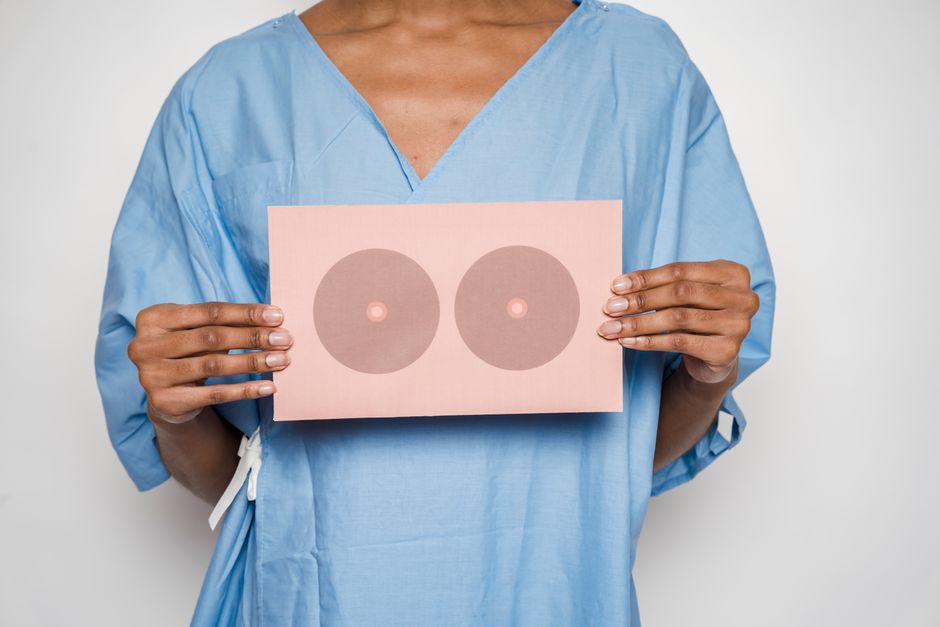
Breast size is determined mostly by genetics, body fat, and hormones — not by any exercise, food, or cream that claims to target the chest. No method has been shown to reliably grow breasts beyond what your body is genetically set to do, with the exception of medical or surgical intervention. Understanding what actually influences breast tissue explains why most over-the-counter “growth” products do not work.
What Actually Determines Breast Size?
Breasts are made of two main types of tissue: glandular tissue (the milk-producing structures) and adipose tissue, which is fat. The ratio between them varies a lot from person to person. That ratio is set largely by genetics and influenced by hormones.
Estrogen and progesterone drive breast development during puberty. Growth typically begins between ages 8 and 13 and continues for roughly two to four years after a first menstrual period. Once that window closes, the glandular structure is largely established. Fat content can still shift with weight changes, which is why breast size sometimes changes with weight gain or loss.
This is the part most marketing ignores: you cannot selectively add fat to your breasts through diet or exercise. Fat distribution follows your body’s own pattern, which is genetic. Eating more calories can increase overall body fat, and some of that may land in the breasts — but it will also land elsewhere, and it reverses if you lose the weight.
Do Breast Enhancement Pills and Creams Work?
There is no reliable clinical evidence that over-the-counter breast enhancement pills, creams, or patches increase breast size. This is one of the clearest positions in the research: the products are widely sold, but the supporting evidence is not there.
Many of these products contain plant compounds marketed as “phytoestrogens” — substances that weakly mimic estrogen. The logic sounds plausible: if estrogen drives breast growth, maybe a plant estrogen will too. But biological plausibility is not the same as demonstrated effect. A compound that binds weakly to estrogen receptors, taken by mouth and broken down by digestion, is not equivalent to the body’s own hormone signaling during puberty.
Some of these products have been associated with side effects, including liver problems and hormonal disruption, though reports vary by ingredient and product quality. Because supplements are not reviewed by the FDA for safety or effectiveness before sale, what is on the label may not match what is in the bottle.
If a product claims to grow breasts without surgery or hormones, the honest position is that no well-controlled human trial has confirmed it works.
Can Exercise Make Breasts Bigger?
Exercise cannot increase breast size, because breasts contain no muscle. This is a common point of confusion, so it is worth being precise.
The pectoral muscles sit underneath the breast tissue, against the chest wall. Working those muscles — with push-ups, bench presses, or chest presses — builds the muscle beneath the breast. That can change the appearance of the chest: a firmer, more defined underlying muscle may lift the breast slightly or change its contour. But the breast itself does not grow. The size of the glandular and fat tissue stays the same.
Some people find that chest training improves posture and the way clothes fit, which can create the impression of a fuller chest. That is a real effect on appearance, but it is not breast growth.
One thing to know: a well-fitted bra matters more for comfort and support than any exercise routine. Breast tissue has no muscle to hold it up, so support comes from skin and ligaments.


What About Hormonal Birth Control and Breast Changes?
Hormonal contraceptives can cause temporary breast changes, including tenderness, fullness, or a slight increase in size in some users. These effects come from the hormones in the medication and are not a method for intentional breast growth.
Changes linked to hormonal birth control are usually temporary and often settle after the body adjusts, typically within a few months. They vary widely between individuals. Some people notice no change at all.
Pregnancy is the one natural situation where breasts genuinely grow, sometimes substantially, as glandular tissue expands to prepare for milk production. This growth is temporary for many people, though size and shape after pregnancy and breastfeeding vary and often do not return to the pre-pregnancy state. This is a normal physiological process, not something that can be replicated by a product.
Are There Medical Options for Breast Enlargement?
Surgical breast augmentation is the only method with established, predictable results for increasing breast size. It involves placing saline or silicone implants, or in some cases transferring the person’s own fat from another part of the body.
These are real medical procedures with real risks. They include infection, scarring, implant rupture or deflation, changes in nipple sensation, and the need for future surgery — implants are not permanent and typically require replacement or removal at some point. Fat transfer carries its own risks, including uneven results and fat that does not survive the transfer.
Anyone considering surgery should consult a board-certified plastic surgeon and review the risks carefully. This is not a decision to make based on marketing alone. Cost, recovery time, and long-term maintenance all matter.
There is no prescription medication approved to enlarge breasts in healthy adults. Hormone therapy is used for specific medical conditions, not for cosmetic breast growth, and using hormones for that purpose carries health risks.
Why Do So Many Products Claim to Work?
Breast enhancement is a large market, and the rules are loose. In the US, dietary supplements do not need FDA approval before they are sold. That means a product can reach shelves without proof that it works or even that it is safe.
Testimonials and before-and-after photos are not evidence. They can reflect lighting, posture, weight change, or simply be misleading. Without a controlled study — where some people get the product and others get a placebo, and neither group knows which — you cannot tell whether a change came from the product or from something else.
When you see a claim that a cream, tea, or pill grows breasts, the accurate response is: no controlled human trial has confirmed this. That is not cynicism. It is what the evidence shows.
What Is the Honest Bottom Line?
For most people, breast size is set by genetics and hormones and does not change much after puberty except with significant weight change or pregnancy. Exercise can firm the chest underneath but cannot enlarge the breast. Pills and creams have no reliable evidence behind them and carry unknown risks. Surgery is the only method with predictable results, and it comes with meaningful risks and costs.
If you are unhappy with your breast size, that is a valid feeling, and it is worth talking to a doctor rather than a supplement seller. A clinician can explain your actual options and help you weigh them honestly. Body image concerns are common and treatable, and a medical professional is the right place to start.
Frequently Asked Questions
Can you grow your breasts naturally after puberty?
No method has been shown to reliably increase breast size after puberty ends. Breast tissue is largely set by genetics and hormones, and fat distribution cannot be targeted to the chest.
Do breast enhancement pills actually work?
No reliable clinical evidence shows that over-the-counter breast enhancement pills increase breast size. Many contain plant compounds marketed as phytoestrogens, but no well-controlled human trial has confirmed they work, and some carry unknown risks.
Does exercise make breasts bigger?
No, because breasts contain no muscle. Chest exercises build the pectoral muscles underneath, which can change the appearance and firmness of the chest, but the breast tissue itself does not grow.
What is the only proven way to increase breast size?
Surgical breast augmentation is the only method with established, predictable results. It carries real risks, including infection, scarring, implant rupture, and the need for future surgery.
