
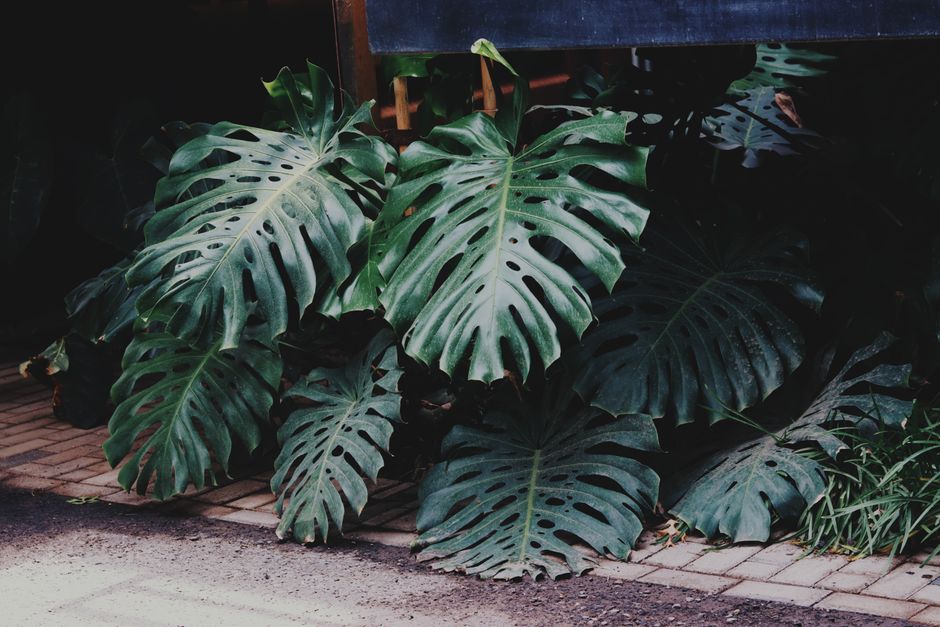
If your Monstera is pushing out small leaves, the fix is usually simpler than you think. Big leaves come from giving the plant the right mix of light, support, and nutrients. Most Monstera owners see dramatic improvement by moving the plant to brighter indirect light, giving it a moss pole to climb, and feeding it consistently during the growing season. These three changes alone can double the size of new leaves within a few growth cycles.
Why Are My Monstera Leaves Small?
Small leaves are a sign that your plant is surviving, not thriving. A Monstera that gets low light will produce smaller leaves because it cannot photosynthesize enough to support large growth. The plant conserves energy by making smaller leaves.
Another common cause is lack of support. In nature, Monsteras grow up trees. When the aerial roots attach to something, the plant signals itself to produce larger leaves. A Monstera left to trail or flop over will often stay small and produce leaves with fewer splits and holes.
Pot-bound roots can also limit leaf size. When roots fill the pot completely, the plant cannot take up enough water and nutrients to support big new growth. Check if roots are circling the bottom of the pot or growing out of the drainage holes.
How Much Light Does a Monstera Need for Big Leaves?
Bright indirect light is the single most important factor for large Monstera leaves. Place your plant near an east or west-facing window where it receives several hours of gentle morning or late afternoon sun. A south-facing window works too, but keep the plant a few feet back or behind a sheer curtain to prevent leaf burn.
If you do not have a bright window, a grow light can work well. Full-spectrum LED grow lights placed 12 to 18 inches above the plant for 10 to 12 hours a day can mimic outdoor light conditions. Many indoor growers report leaves growing noticeably larger within two to three months of adding a grow light.
Watch for signs of insufficient light. Small leaves, leggy stems, and leaves that stay solid green without fenestrations all point to a light problem. Move the plant gradually to brighter conditions to avoid shocking it.
Does a Moss Pole Really Make Leaves Bigger?
Yes, and this is one of the most underrated tricks in Monstera care. A Monstera that climbs will produce larger leaves than one that trails. This is an established botanical behavior. In the wild, the plant climbs toward sunlight, and larger leaves help it capture more light at the top of the canopy.
Use a moss pole, coco coir pole, or a wooden plank. Attach the stem loosely with plant ties or soft twine, but do not tie the petioles (leaf stems). Petioles need to move freely to follow light. Only secure the main stem to the pole.
Keep the moss pole slightly moist if you use a moss pole. The aerial roots will grow into the damp moss, which gives the plant extra moisture and nutrients. This mimics its natural growing conditions and encourages larger growth. Some growers see leaves grow 50 percent larger once the plant establishes on a pole.




What Fertilizer Makes Monstera Leaves Big?
A balanced fertilizer with equal parts nitrogen, phosphorus, and potassium works well for Monsteras. Nitrogen is the key nutrient for leaf growth. Look for a fertilizer labeled 20-20-20 or a similar balanced ratio. You can also use a fertilizer formulated specifically for houseplants.
Feed your Monstera once a month during the growing season, which runs from spring through early fall. Dilute the fertilizer to half the recommended strength to avoid burning the roots. Skip fertilizing entirely in winter when growth slows naturally.
Organic options like worm castings or compost tea also work. Worm castings release nutrients slowly and improve soil structure. Mix a handful into the top layer of soil in spring, then water normally. This provides a steady supply of nutrients without the risk of overfeeding.
Do not overfertilize. Excess fertilizer salts can build up in the soil and damage roots, which actually reduces leaf size. If you see brown leaf tips or a white crust on the soil surface, flush the pot with water and pause fertilizing for a month.
When and How Should I Repot My Monstera?
Repot your Monstera every one to two years, or when roots fill the pot. Choose a pot only 2 to 3 inches larger in diameter than the current one. A pot that is too large holds excess water, which can cause root rot and smaller leaves.
Use a chunky, well-draining soil mix. A standard mix of one part potting soil, one part perlite, and one part orchid bark works well. This blend provides good aeration for the roots and prevents waterlogging.
Spring is the best time to repot. The plant enters an active growth phase, so it recovers quickly from root disturbance. After repotting, keep the plant in bright indirect light and water thoroughly. Do not fertilize for at least a month after repotting to let the roots settle.
Why Are My Monstera Leaves Not Splitting or Fenestrating?
Fenestrations, the splits and holes in Monstera leaves, develop with maturity and good conditions. A young plant will produce solid leaves at first. As the plant matures and receives adequate light, new leaves develop splits and holes.
If your plant is several years old but still produces solid leaves, light is almost always the issue. Move the plant to a brighter location. You can also prune older, smaller leaves at the base. This redirects energy to the top growth, where new leaves emerge.
Patience matters here. Each new leaf takes time to develop. A Monstera in good conditions produces a new leaf every four to six weeks during the growing season. If you provide bright light, climbing support, and consistent feeding, the next several leaves should be larger and more fenestrated.
How To Grow Big Leaves On Your Monstera: Quick Checklist
Here is the practical summary of what to do starting today:
- Move your Monstera to bright indirect light, or add a grow light for 10 to 12 hours daily.
- Install a moss pole and attach the main stem, not the leaf stems.
- Fertilize monthly with a balanced fertilizer at half strength during spring and summer.
- Repot every one to two years into a pot 2 to 3 inches larger with chunky well-draining soil.
- Water when the top 2 inches of soil feel dry. Do not let the plant sit in standing water.
- Wipe leaves monthly with a damp cloth to remove dust so they can photosynthesize fully.
These steps address the root causes of small leaves. Light and climbing support matter the most. Nutrients and repotting follow close behind.
Frequently Asked Questions
How long does it take for a Monstera to grow bigger leaves?
You should see larger leaves within two to three months after improving light, support, and feeding. Each new leaf develops over four to six weeks, so results appear gradually.
Can I cut small leaves off my Monstera to encourage big leaves?
Yes, pruning old small leaves at the base redirects energy to new growth. Remove only leaves that are yellowing, damaged, or noticeably smaller than the newest leaves.
Do Monstera leaves grow bigger in water or soil?
Soil grown Monsteras produce larger leaves than those grown in water long term. Water provides no nutrients unless you add fertilizer, and the roots do not anchor for climbing.
Why are my Monstera leaves turning yellow while I try to grow them bigger?
Yellow leaves usually mean overwatering or poor drainage. Let the top 2 inches of soil dry out between waterings and ensure the pot has drainage holes.
