
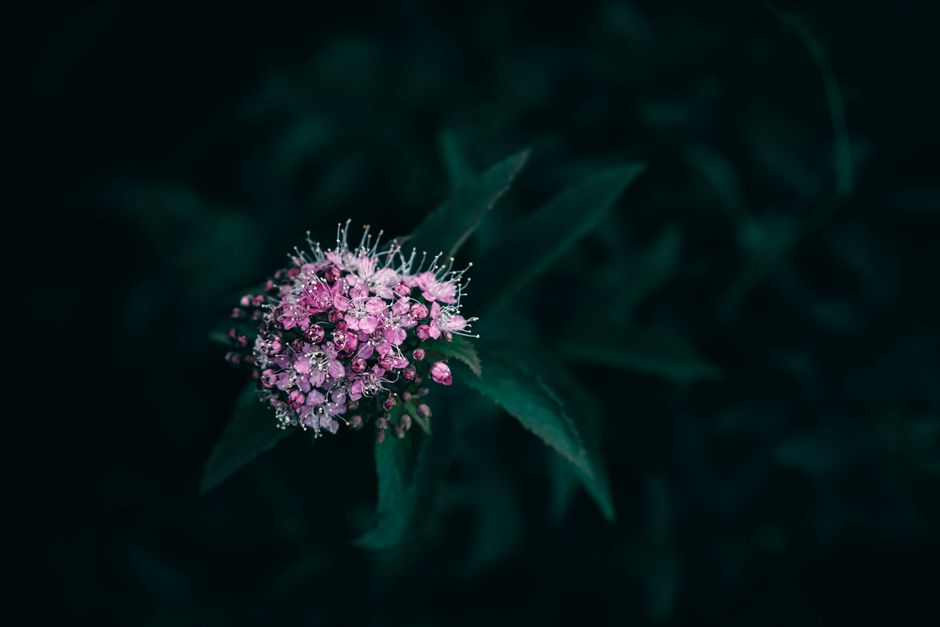
Meadowsweet is a hardy perennial that grows best in moist, rich soil and partial to full sun, and it needs little more than consistent water and room to spread. Plant it in spring or fall, keep the soil damp, and cut stems back after flowering to control its spread. It is a low-maintenance plant, but it can become invasive in wet ground, so give it space or a container.
What Is Meadowsweet?
Meadowsweet is a flowering plant in the rose family. Its botanical name is Filipendula ulmaria, and it is native to damp meadows, streambanks, and marshes across Europe and parts of Asia. It has naturalized in parts of North America.
The plant grows upright, usually reaching about 2 to 4 feet tall, though some garden varieties stay shorter. It produces clusters of tiny creamy-white flowers in summer that have a sweet, almond-like scent. The leaves are dark green with a silvery underside and a distinctive serrated edge.
Two things often surprise people. First, meadowsweet is in the same plant family as roses, apples, and cherries. Second, the plant’s old name in some regions was “mead wort” because it was historically used to flavor mead and other drinks. That history is separate from any health use.
There is a related plant called dropwort (Filipendula vulgaris), which looks similar but prefers drier, more alkaline soil. The care instructions below apply to Filipendula ulmaria.
How To Grow And Care For Meadowsweet?
Meadowsweet is easy to grow once it is established. The main requirements are moisture, sunlight, and soil that does not dry out completely. Give it those three things and it will mostly take care of itself.
Light
It grows well in full sun to partial shade. In hotter climates, some afternoon shade helps keep the soil from drying out too fast. In cooler climates, full sun is fine.
Soil
The plant prefers rich, moist soil that holds water. Loamy or clay-heavy soil works well. It tolerates poor drainage better than most garden plants, which is unusual. Sandy soil dries too quickly and will need added compost or consistent watering.
Water
Keep the soil consistently moist. This is the single most important factor. Meadowsweet does not tolerate drought well. In dry spells, water deeply once or twice a week rather than lightly every day. Deep watering encourages roots to grow downward.
Planting
Plant in spring after the last frost, or in early fall. Dig a hole slightly wider than the root ball. Set the plant at the same depth it was growing before. Water thoroughly after planting.
Space plants about 18 to 24 inches apart if you want them to fill in. If you want to limit spread, give them more room or plant them in a container.
Fertilizer
Meadowsweet usually does not need much fertilizer if the soil is rich. A light layer of compost in spring is enough for most garden soils. Too much nitrogen can produce weak, floppy stems that need staking.
Pruning And Deadheading
Cut back flower stems after they fade to prevent self-seeding. In late fall or early spring, cut the whole plant back to about 2 to 3 inches above the ground. This keeps it tidy and encourages fresh growth.
Does Meadowsweet Spread And Become Invasive?
Yes, meadowsweet can spread aggressively in the right conditions. It spreads by underground stems called rhizomes, which form dense patches over time. In wet, rich soil, it can move faster than many gardeners expect.
In parts of North America, it is considered invasive in some wetland areas. This is worth knowing before you plant it near a natural waterway or in a garden where you want tight control.
To manage spread:
- Plant in a container sunk into the ground, or use a root barrier.
- Divide the clumps every 2 to 3 years in spring or fall.
- Cut back seed heads before they drop.
- Avoid planting near streams, ponds, or natural wetlands unless you intend for it to spread.
Division is also how you get more plants. Dig up a clump, cut the root mass into sections with a sharp spade, and replant each section. Each piece needs at least one growing shoot.





What Problems Affect Meadowsweet?
Meadowsweet is generally a tough plant with few serious problems. Most issues come from the wrong growing conditions rather than disease.
Powdery mildew can appear as a white coating on leaves, especially in humid conditions or crowded plantings. Good airflow between plants helps. Removing affected leaves can slow it down.
Leaf spot causes brown or dark patches on leaves. It is usually cosmetic and rarely kills the plant. Clean up fallen leaves in fall to reduce the chance of it returning.
Root rot is uncommon because the plant likes moisture, but it can happen in standing water with poor airflow. If the plant wilts despite wet soil, that is a warning sign.
Aphids sometimes cluster on new growth. A strong spray of water usually knocks them off. Ladybugs and other natural predators often handle them without intervention.
Slugs and snails may feed on young shoots in spring. Handpicking or barriers around young plants can help.
Is Meadowsweet Used As Medicine?
Meadowsweet has a long history of use in traditional medicine, mainly for digestive complaints and as a mild pain remedy. The flowers and flowering tops contain salicylates, which are compounds related to the active ingredient in aspirin.
This is where the evidence gets thin. Having a related compound does not mean the plant works the same way as a medication. The amount of salicylates in the plant varies widely depending on the species, growing conditions, and how it is prepared. No large human trials have confirmed that meadowsweet treats pain, inflammation, or any other condition.
There are real safety concerns. Because it contains salicylates, meadowsweet is not appropriate for people who are allergic to aspirin or other salicylates. It may interact with blood thinners and other medications. It should not be given to children or teenagers who have a viral illness, because of the same rare but serious condition (Reye’s syndrome) linked to aspirin in that group.
Pregnant and breastfeeding women should avoid it. No clinical guidelines currently exist for using meadowsweet in these groups.
This is not a plant to self-treat with. If you are considering it for any health reason, talk to a doctor or pharmacist first. The evidence does not support using it in place of proven treatment.
How Do You Harvest Meadowsweet?
If you grow meadowsweet for its flowers, harvest the flowering tops in summer when the blooms are fully open. Cut them in the morning after dew has dried. Use fresh or dry them in a cool, dark, well-ventilated space.
For the leaves, pick them before the plant flowers, when the flavor and aroma are strongest. Avoid harvesting from plants that may have been sprayed with pesticides or that grow near roadsides or polluted water.
Harvesting is fine for garden use, but it does not make the plant a proven remedy. Treat any home use the same way you would treat any unproven product.
Meadowsweet At A Glance
| Factor | What It Needs |
|---|---|
| Light | Full sun to partial shade |
| Soil | Moist, rich, loamy or clay soil |
| Water | Consistently moist; not drought tolerant |
| Height | About 2 to 4 feet |
| Spacing | 18 to 24 inches apart |
| Spread | Aggressive via rhizomes in wet soil |
| Maintenance | Low; divide every 2 to 3 years |
| Main risk | Becoming invasive in wet areas |
Why Grow Meadowsweet?
Meadowsweet earns its place in a garden for a few practical reasons. It is a dependable perennial that comes back year after year. Its flowers attract bees and other pollinators. It handles wet soil that many other plants cannot. And its scent is genuinely pleasant in summer.
The trade-off is that it needs moisture and can spread. If you have a damp spot where other plants struggle, meadowsweet may thrive there. If you have a small, dry garden, it may be more trouble than it is worth.
For most gardeners, the plant is a landscaping choice, not a health one. That distinction matters. Growing a plant well and using it as medicine are two different things, and only one of them has good evidence behind it.
Frequently Asked Questions
Where does meadowsweet grow best?
It grows best in moist, rich soil with full sun to partial shade. It is native to damp meadows and streambanks, so it prefers ground that stays consistently wet.
Is meadowsweet the same as aspirin?
No. Meadowsweet contains salicylates, which are related to the active ingredient in aspirin, but it is not the same thing and has not been shown in human trials to work like aspirin.
Does meadowsweet spread in a garden?
Yes, it spreads by underground rhizomes and can form dense patches, especially in wet soil. A root barrier or container helps keep it contained.
Can you eat or drink meadowsweet?
It has a history of use in traditional drinks and remedies, but there is no strong clinical evidence supporting health benefits. It contains salicylates, so people with aspirin allergy or who take blood thinners should avoid it, and pregnant or breastfeeding women should not use it.
