
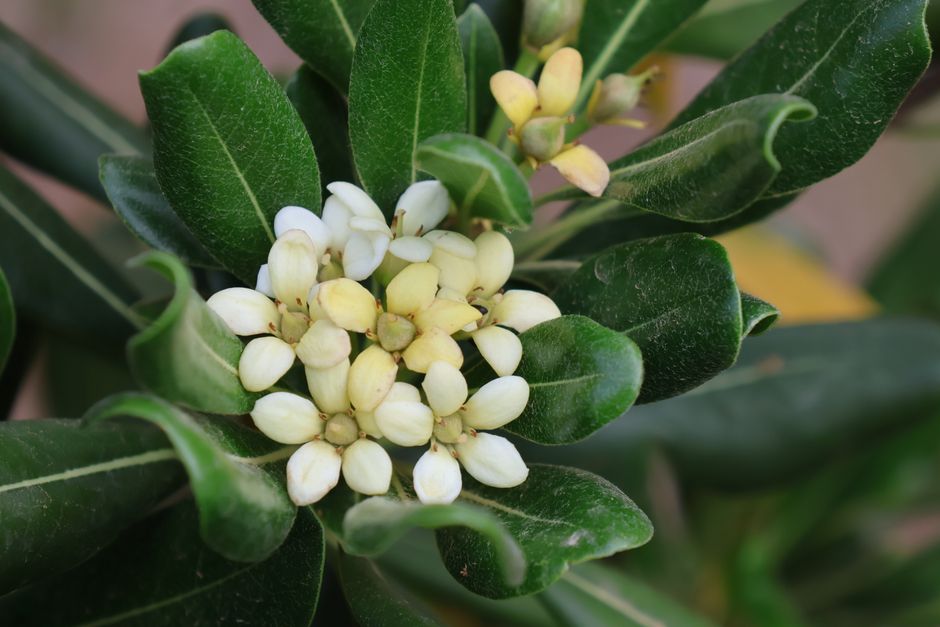
Pittosporum Silver Queen is a popular evergreen shrub known for its striking variegated leaves of silver-green with creamy white edges. To grow and care for it successfully, plant it in well-drained soil in a spot that gets full sun to partial shade. Water it regularly during its first year to establish a strong root system, then only during dry spells. It is a low-maintenance plant that thrives with minimal effort once settled.
What Makes Pittosporum Silver Queen Different From Other Varieties?
Pittosporum Silver Queen stands out because of its leaf color. Most pittosporum varieties have solid green leaves. Silver Queen has a gray-green center with a creamy white margin. This variegation adds brightness to any garden even on cloudy days.
The plant has a compact upright shape. It grows slower than some other pittosporums. This makes it a good choice for small gardens or containers. It typically reaches 8 to 12 feet tall and 6 to 8 feet wide at maturity. Some people keep it smaller with regular pruning.
Another key difference is its hardiness. Silver Queen tolerates colder temperatures better than many pittosporum varieties. The Royal Horticultural Society notes it can survive down to about 15 degrees Fahrenheit. This is not a plant for very cold climates but it handles mild frost better than expected.
Where Should You Plant Pittosporum Silver Queen?
Location matters more than most people realize. Pittosporum Silver Queen needs well-drained soil. If the soil stays wet the roots will rot. This is the most common reason these plants fail. Sandy loam or amended clay soil works well. Avoid low spots where water collects after rain.
Sunlight is the second factor. Full sun gives you the best leaf color and densest growth. The plant will survive in partial shade but the variegation becomes less pronounced. In deep shade the leaves may turn mostly green. If you want that silver-white edge pick a sunny spot.
Wind protection helps in colder areas. This shrub is not a fan of harsh winter winds. Planting it near a fence wall or larger shrub reduces leaf burn. Coastal gardens are fine because Silver Queen tolerates salt spray better than many evergreens.
How Often Should You Water Pittosporum Silver Queen?
Water deeply once a week during the first growing season. This encourages roots to grow deep into the soil. A strong root system makes the plant more drought-tolerant later. After the first year you can cut back significantly.
Established plants need water only during extended dry periods. The USDA reports that most established shrubs need about one inch of water per week including rainfall. Overwatering is a bigger risk than underwatering with this plant. Let the top two inches of soil dry out before watering again.
Signs of overwatering include yellowing leaves and soft stems. If you see these check the soil moisture before adding more water. In heavy clay soil you may need to water even less. Adjust based on your specific conditions rather than a fixed schedule.





What Is the Best Pruning Method for Pittosporum Silver Queen?
Prune in late winter or early spring before new growth starts. This timing gives the plant the whole growing season to recover and look full. Remove dead damaged or crossing branches first. These do nothing for the plant and can invite disease.
Shape the plant lightly each year rather than cutting it back hard all at once. Heavy pruning into old wood may not regrow well. Pittosporum Silver Queen does not have dormant buds on older stems like some shrubs do. If you cut too far back you may end up with bare patches that never fill in.
The RHS recommends removing up to one-third of the oldest stems each year for renewal. This keeps the plant looking fresh and prevents it from getting woody and sparse at the base. For hedges shear lightly after the main growth flush in late spring. Avoid shearing in fall because new growth will be tender when frost arrives.
| Pruning Goal | Best Time | Method |
|---|---|---|
| Shape maintenance | Late winter | Light trim of branch tips |
| Renewal | Early spring | Remove 1/3 oldest stems |
| Hedge trimming | Late spring | Shear after growth flush |
| Damage removal | Any time | Cut back to healthy wood |
What Soil and Fertilizer Does Pittosporum Silver Queen Need?
This plant is not picky about soil pH. It grows well in slightly acidic to slightly alkaline soil. A pH between 6.0 and 7.5 is fine. Most garden soils fall in this range. Test your soil only if you suspect a problem. The plant will tell you if something is wrong through leaf color and growth rate.
Fertilizer needs are modest. Apply a balanced slow-release fertilizer in early spring. A 10-10-10 formula works well. Follow the package rate for shrubs. Do not overfeed. Too much nitrogen causes soft leafy growth that attracts pests and burns easily in sun.
Organic options work just as well. A layer of compost in spring provides nutrients slowly. Mulch with bark or wood chips to keep roots cool and reduce weeds. Keep mulch a few inches away from the stem to prevent rot. The North Carolina State Extension advises against piling mulch against the trunk of any shrub.
What Pests and Diseases Affect Pittosporum Silver Queen?
Pittosporum Silver Queen is generally pest-resistant. The most common problem is aphids on new growth. These small insects cluster on soft stems and leaves. They suck sap and excrete sticky honeydew. A strong spray of water from a hose knocks them off. Insecticidal soap works if the infestation is heavy.
Scale insects sometimes appear. They look like small brown bumps on stems and leaf undersides. Horticultural oil applied in early spring kills overwintering scales. Check the plant carefully before buying to avoid bringing scale home. Infested nursery stock is a common source.
Root rot is the main disease risk. It happens when soil stays too wet. The fungus Phytophthora causes most cases. Symptoms include wilting yellowing leaves and branch dieback. Once root rot sets in it is hard to reverse. Prevention through proper drainage is the only reliable strategy.
Leaf spot diseases are mostly cosmetic. They cause small dark spots on leaves but rarely harm the plant. Remove affected leaves and improve air circulation by thinning crowded branches. Fungicides are rarely needed for leaf spots on this shrub.
Frequently Asked Questions
How fast does Pittosporum Silver Queen grow?
It grows slowly to moderately at about 6 to 12 inches per year under good conditions. Growth rate depends on sunlight soil quality and water availability.
Can Pittosporum Silver Queen grow in pots?
Yes it grows well in containers with drainage holes and quality potting soil. Use a pot at least 18 inches wide and water more frequently than in-ground plants.
Does Pittosporum Silver Queen need full sun?
Full sun gives the best leaf color and densest growth but it tolerates partial shade. In shade the variegation becomes less visible and the plant may grow looser.
Is Pittosporum Silver Queen toxic to dogs?
Yes all parts of the plant are considered mildly toxic if ingested. The ASPCA lists pittosporum as toxic to dogs cats and horses causing vomiting and diarrhea.
