

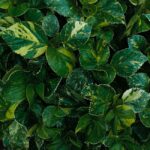
The White Princess Philodendron is a striking houseplant with dark green leaves splashed with white variegation. It is a real plant, not a marketing gimmick, and it rewards consistent, patient care. To keep it thriving, give it bright indirect light, water only when the top inch of soil is dry, and maintain moderate humidity. This plant is not difficult, but it does demand consistency in its care routine.
What Is A White Princess Philodendron?
The White Princess is a cultivar of Philodendron erubescens, a climbing vine species native to Colombia. Its white patches are caused by a natural genetic mutation that removes chlorophyll from parts of the leaf. This is the same mechanism behind other variegated plants like the Pink Princess and White Knight.
Because the white sections lack chlorophyll, they cannot photosynthesize. That means the plant relies on its green sections for energy. This is why variegated plants often grow slower than their all-green counterparts. The more white a leaf has, the less energy it produces for the plant.
White Princess plants are often confused with White Knight or White Wizard Philodendrons. The easiest way to tell them apart is by the stem color. White Princess stems are green with white or pinkish streaks. White Knight stems are dark burgundy or brown. White Wizard stems are solid green.
What Light Does A White Princess Philodendron Need?
Bright, indirect light is the single most important factor in keeping the white variegation visible. Place the plant near an east-facing window or a few feet back from a south or west-facing window. A sheer curtain can help filter harsh afternoon sun.
Too little light causes the plant to produce more green leaves. The white variegation may fade or new leaves may come in almost entirely green. This is the plant’s survival response — it is maximizing chlorophyll to capture more energy.
Direct sunlight is a different problem. Strong sun can scorch the white leaf sections because they lack the protective pigments found in green tissue. If you notice brown crispy patches on the white areas, the plant is getting too much direct sun.
If you do not have a bright window, a full-spectrum grow light works well. Position it about 12 inches above the plant and run it for 10 to 12 hours a day. Some growers find that slightly more light encourages more white variegation, but this is not guaranteed and varies by individual plant.
How Often Should You Water A White Princess Philodendron?
Water when the top 1 to 2 inches of soil feel dry to the touch. Insert your finger into the soil — if it comes out clean and dry, it is time to water. If it comes out with damp soil clinging to it, wait a few more days.
Overwatering is the most common cause of death for this plant. The roots need oxygen, and constantly wet soil suffocates them. This leads to root rot, which is often fatal. Yellowing lower leaves, mushy stems, and a sour smell from the soil are early warning signs.
Underwatering is less common but still possible. Drooping leaves, crispy brown leaf edges, and slow growth all point to a thirsty plant. A thorough watering usually revives it within a day or two.
When you do water, water deeply until it runs out of the drainage holes. Do not let the plant sit in standing water. Empty the saucer after 30 minutes. In winter, when growth slows, reduce watering frequency — the soil takes longer to dry out in cooler, lower-light conditions.




What Soil And Pot Are Best?
A chunky, well-draining potting mix is essential. A standard mix of 2 parts indoor potting soil, 1 part perlite, and 1 part orchid bark works well. The perlite and bark create air pockets that let oxygen reach the roots and prevent water from pooling.
Choose a pot with drainage holes. Terracotta pots are excellent because they wick moisture away from the soil, helping it dry faster. Plastic pots retain more moisture and require more careful watering.
Do not repot into a much larger pot. A pot only 1 to 2 inches wider than the current root ball is ideal. A pot that is too large holds excess soil that stays wet for too long, increasing the risk of root rot. Repot every 12 to 18 months, or when roots begin growing out of the drainage holes.
What Humidity And Temperature Does It Need?
Average household humidity — around 40 to 50 percent — is usually sufficient. This plant does not demand a greenhouse environment. If your home is very dry in winter, a small humidifier nearby or a pebble tray with water can help.
Brown, crispy leaf tips are the most common sign of low humidity. This is cosmetic damage, not a health crisis. The plant will continue to grow fine even with slightly crispy tips.
Comfortable room temperatures between 65°F and 80°F (18°C to 27°C) are ideal. This plant is tropical and cannot tolerate cold drafts. Keep it away from heating vents, air conditioners, and drafty windows. Temperatures below 55°F (13°C) can cause leaf damage and stunt growth.
How Do You Fertilize A White Princess Philodendron?
Feed during the growing season — spring through early fall — with a balanced liquid houseplant fertilizer. A 20-20-20 formula diluted to half strength works well. Apply once a month during active growth.
Do not fertilize in winter. The plant is not actively growing, and unused fertilizer salts can build up in the soil and burn the roots. If you see white crust on the soil surface, flush the pot with water to wash away excess salts.
Fertilizer does not increase white variegation. The white coloring is determined by genetics and light levels, not nutrition. Over-fertilizing can actually cause leaf burn and root damage, so err on the side of less rather than more.
How Do You Propagate A White Princess Philodendron?
Stem cuttings are the most reliable method. Find a healthy stem with at least one node — the small bump where a leaf attaches to the stem. Cut just below the node with clean scissors or pruning shears.
Place the cutting in water or directly into moist soil. In water, roots typically appear within 2 to 4 weeks. Once roots are at least 1 inch long, transfer the cutting to soil. In soil, keep the medium consistently moist for the first few weeks while roots establish.
Each cutting should have at least one leaf. The node is essential — without it, the cutting will not root. Cuttings with more white variegation root more slowly because they have less chlorophyll to fuel new growth. Be patient with heavily variegated cuttings.
Why Are The Leaves Turning Yellow Or Brown?
Yellow leaves usually mean overwatering. Check the soil moisture immediately. If the soil is soggy, let it dry out completely before watering again. If the stem is also mushy, root rot may have set in, and you may need to take cuttings to save the plant.
Brown, crispy edges usually mean low humidity or underwatering. Check the soil first — if it is bone dry, water thoroughly. If the soil is moist but the air is dry, increase humidity.
Brown patches in the middle of white leaf sections are usually sunburn. Move the plant to a spot with less direct light. These patches will not heal, but new leaves will be unaffected once the light conditions are corrected.
Why Is My White Princess Philodendron Not Growing?
Slow growth is normal in winter. If the plant is not growing during spring or summer, check three things: light, water, and root health. Low light is the most common cause. Move the plant to a brighter spot.
If the plant is rootbound — roots filling the entire pot — it may stop growing. Check the drainage holes for visible roots. If present, repot into a slightly larger container.
Some growers report that heavy white variegation slows growth. This is expected. A plant with mostly white leaves simply cannot photosynthesize as efficiently. If the plant is producing mostly white leaves, consider moving it to slightly lower light to encourage more green in the new growth.
Is The White Princess Philodendron Toxic To Pets?
Yes. All Philodendron species contain calcium oxalate crystals, which are toxic to cats and dogs. Chewing on the leaves can cause oral irritation, drooling, vomiting, and difficulty swallowing. Keep this plant out of reach of pets.
If you suspect your pet has eaten part of the plant, contact your veterinarian. In most cases, symptoms are mild and resolve on their own, but severe reactions are possible.
Frequently Asked Questions
Why is my White Princess Philodendron turning green?
New leaves are losing their white variegation because the plant is not getting enough light. Move it to a brighter spot with indirect sunlight.
How do I get more white variegation on my White Princess?
Brighter indirect light encourages more white in new leaves, but genetics set the ceiling for how much variegation a plant can produce. There is no guarantee that any single leaf will come in white.
Should I cut off all-green leaves on my White Princess?
No, leave green leaves in place — they provide the energy the plant needs to grow. Removing them can weaken the plant and slow overall growth.
Can I grow a White Princess Philodendron in water permanently?
It can survive in water long-term, but it grows best in soil. Water-grown plants often have weaker root systems and slower growth over time.
