
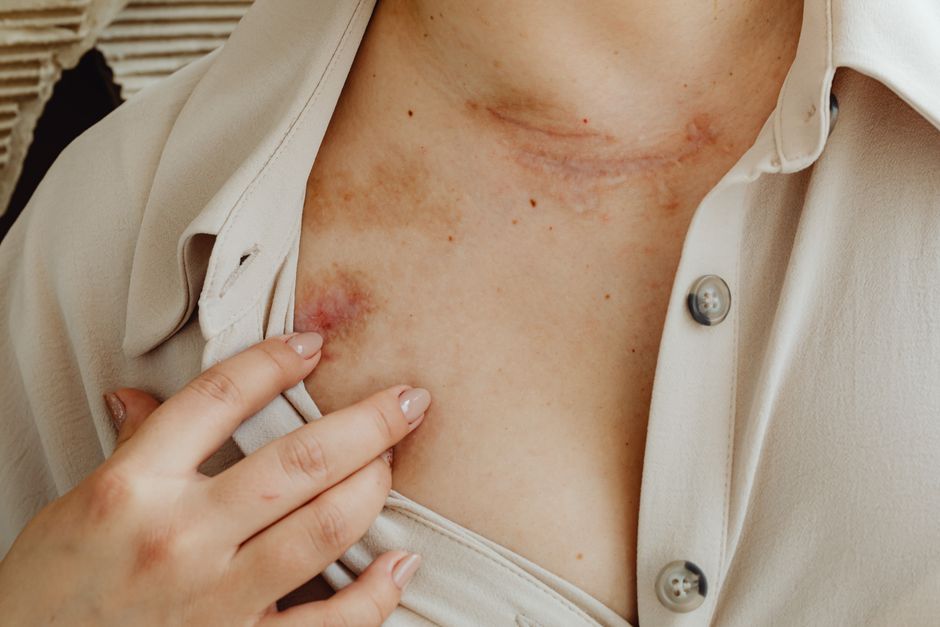
Why Proper Wound Covering Matters
A wound heals best in a moist environment. This is one of the most established findings in wound care research. When a wound dries out, the surface forms a scab that can slow down the movement of new skin cells across the injury. A moist covering supports cell migration and reduces pain by protecting exposed nerve endings.
Dressings also serve a second purpose: infection control. A sterile barrier keeps bacteria from the environment out of the wound. This matters most in the first 24 to 48 hours, when the wound is most vulnerable. After that, the body begins to close the gap, but protection remains important until the skin barrier is fully restored.
Step 1: Clean the Wound Before Covering It
Wash your hands thoroughly before touching the wound or any dressing material. Use soap and water for at least 20 seconds. If soap is not available, use an alcohol-based hand sanitizer.
Rinse the wound under clean, running water. Tap water is acceptable for most minor wounds. You do not need hydrogen peroxide or iodine for routine cleaning. In fact, these antiseptics can damage healthy tissue and slow healing when used repeatedly.
Use a clean cloth or sterile gauze to gently wipe away dirt or debris. Work from the center of the wound outward. If debris remains embedded in the wound after gentle cleaning, seek medical attention rather than digging it out yourself.
Pat the skin around the wound dry with a clean towel or gauze. Do not rub the wound itself. The wound surface should be moist, but the surrounding skin needs to be dry so the adhesive on the dressing sticks properly.
Step 2: Choose the Right Dressing
Not all wounds need the same dressing. The choice depends on how much fluid the wound is producing and where it is located.
For minor cuts, scrapes, and abrasions, a simple adhesive bandage works well. These are appropriate for wounds that are small, shallow, and producing little to no fluid.
For larger wounds or those oozing fluid, use a sterile gauze pad held in place with medical tape. Gauze absorbs moisture and protects the wound. Change it when it becomes saturated.
For wounds that are dry or healing slowly, some clinicians recommend hydrogel or hydrocolloid dressings. These products add moisture to the wound bed or trap moisture against it. They can stay in place for several days and are often less painful to remove than traditional gauze.
For wounds with heavy drainage, foam dressings or alginate dressings are options. These absorb significant amounts of fluid. They are more commonly used in clinical settings for chronic wounds rather than everyday injuries.
A simple rule: if the wound is dry, use a dressing that adds moisture. If the wound is wet, use a dressing that absorbs moisture. If you are unsure, a standard sterile gauze pad is a safe choice for most minor wounds.





Step 3: Apply the Dressing Correctly
Place the dressing directly over the wound. Ensure it extends at least one inch beyond the wound edges on all sides. This prevents the adhesive from sticking to the wound itself and keeps the entire wound surface covered.
Do not touch the part of the dressing that will contact the wound. Hold sterile gauze by the edges only. If you drop a dressing on the floor or it touches a non-sterile surface, discard it and use a fresh one.
For adhesive bandages, peel back the protective paper and position the pad over the wound before pressing down the adhesive edges. Press firmly but gently so the bandage adheres without cutting off circulation.
For gauze and tape, place the gauze over the wound, then secure it with medical tape on all four sides. Use tape that is designed for skin. Do not wrap tape completely around a finger, toe, or limb tightly, as this can restrict blood flow.
Step 4: Change Dressings on a Schedule
Most minor wounds need a dressing change once a day. Change the dressing sooner if it becomes wet, visibly dirty, or if fluid soaks through it. A dressing that stays wet against the skin for too long can cause maceration, which is the softening and breakdown of skin from excess moisture.
When removing an old dressing, peel it back slowly. If it sticks to the wound, wet it with clean water or saline and wait a few minutes before trying again. Pulling a stuck dressing off can tear newly formed tissue and restart bleeding.
Clean the wound gently with water each time you change the dressing. Reapply ointment if you are using it. Then apply a fresh, sterile dressing.
How long you need to keep a wound covered depends on its size and depth. Most minor wounds can be left uncovered once a scab has formed and no fluid is draining. This typically takes two to five days. Larger or deeper wounds may need coverage for a week or longer.
Should You Use Antibiotic Ointment?
Antibiotic ointments such as bacitracin, neomycin, or polymyxin B are common in home first aid kits. They can reduce the risk of infection in minor wounds. However, some people develop contact dermatitis from these products, especially neomycin.
Petroleum jelly is a reasonable alternative. It keeps the wound moist without adding antibiotics. Some research suggests that plain petroleum jelly is as effective as antibiotic ointment for preventing infection in minor wounds and carries a lower risk of skin irritation.
If you use an antibiotic ointment, apply a thin layer. A thick layer does not work better and can trap moisture against the skin. If you notice redness, itching, or a rash around the wound, stop using the ointment and switch to plain petroleum jelly.
Signs of Infection: When to See a Doctor
A covered wound should be monitored daily for signs of infection. Redness and slight swelling are normal parts of healing, but certain signs require medical attention.
Seek care if you notice increasing pain, spreading redness, or warmth around the wound. Pus that is yellow, green, or foul-smelling is a concern. Red streaks extending from the wound toward the body are a more serious sign and require prompt medical evaluation.
Fever with no other explanation can also indicate an infected wound. If you have diabetes, a weakened immune system, or a wound that is deep, large, or caused by an animal bite, contact a healthcare provider early rather than waiting for symptoms to worsen.
Special Situations: Wounds That Need Medical Care
Some wounds should never be managed at home. Deep wounds that expose muscle, fat, or bone need professional evaluation. Wounds with jagged edges or that are longer than about half an inch may need stitches. Wounds on the face, hands, or over joints often need special care to preserve function and minimize scarring.
Puncture wounds, especially from nails or animal bites, carry a higher risk of infection. These wounds are narrow and deep, which makes cleaning difficult. A tetanus shot may be needed if your last one was more than five to ten years ago.
If bleeding does not stop with direct pressure after ten minutes, seek emergency care. The same applies if the wound continues to bleed through a dressing despite firm pressure.
Common Mistakes to Avoid
Leaving a wound uncovered to “let it breathe” is a common misconception. Air exposure dries the wound surface, which slows healing. Covering a wound does not suffocate it. Oxygen reaches the wound through the bloodstream, not through direct air contact.
Using rubbing alcohol or hydrogen peroxide on a regular basis is another mistake. These agents kill bacteria, but they also damage the new cells trying to repair the wound. For routine cleaning, plain water is sufficient.
Applying a dressing too tightly can restrict blood flow. If the area beyond the dressing becomes numb, tingling, or turns pale or blue, the dressing is too tight. Remove it and reapply more loosely.
Frequently Asked Questions
How often should I change a wound dressing?
Change most minor wound dressings once daily, or sooner if the dressing becomes wet, dirty, or soaked through. A dressing that stays wet against the skin can break down healthy tissue.
Should I let a wound air out or keep it covered?
Keep it covered. Wounds heal faster in a moist environment, and the dressing protects against bacteria. Air exposure dries the wound and slows the healing process.
Can I use water from the tap to clean a wound?
Yes, clean running tap water is acceptable for most minor wounds. Avoid hydrogen peroxide and rubbing alcohol for routine cleaning because they can damage healthy tissue.
How do I know if my wound is infected?
See a doctor if you have increasing pain, spreading redness, warmth, yellow or green pus, red streaks, or a fever. These signs can indicate an infection that needs medical treatment.
