
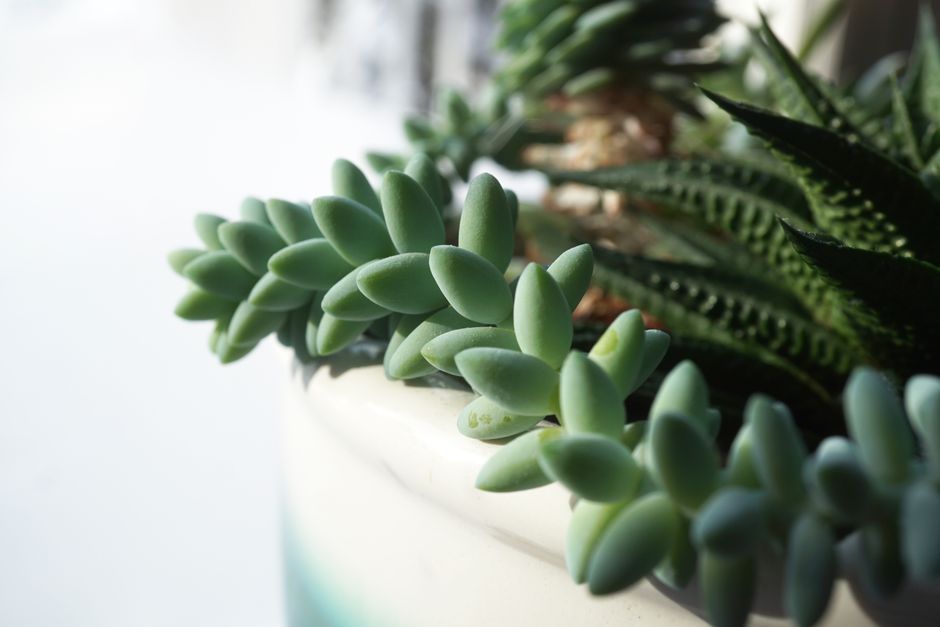
Haworthia mirabilis is a small rosette-forming succulent native to the Western Cape of South Africa. Grow it in very bright, indirect light, in a fast-draining gritty mix, and water it only when the soil has dried out completely. It is a slow grower that stays compact, which makes it well suited to a sunny windowsill or a small pot.
It is not a difficult plant. Most problems people have with it come from too much water or too little light, not from anything exotic. Get those two things right and it mostly takes care of itself.
What Kind of Plant Is Haworthia Mirabilis?
Haworthia mirabilis is a species in the genus Haworthia, a group of small succulents from southern Africa. It forms tight rosettes of thick, triangular leaves that usually carry pale lines, dots, or translucent “windows” near the tips.
Those translucent leaf tips are a real adaptation, not a decorative accident. In habitat, the plants often grow partly buried in grit, and the clear tips let light reach the photosynthetic tissue inside the leaf. That is why the plant can survive with only part of its leaf above the soil surface.
It is closely related to, and sometimes confused with, other rosette haworthias. The genus has been reorganized taxonomically more than once, and some plants sold under one name may be reclassified over time. For a grower this rarely matters — the care is essentially the same across the group.
One thing worth knowing: haworthias are often lumped in with “succulents” generally, but they are not desert cacti. Many grow in semi-arid scrub where they get some shade and seasonal moisture. Treating them like a cactus in full blazing sun is a common mistake.
What Light Does Haworthia Mirabilis Need?
Bright, indirect light is the target. A few hours of gentle morning sun is fine. Harsh midday summer sun is not.
In practice, an east-facing windowsill works well for many people. A south- or west-facing window can also work if the plant sits slightly back from the glass or behind a sheer curtain during the hottest months.
Watch the leaves for feedback. If the rosette stretches, the leaves get longer and thinner, and spaces open up between them, the plant is not getting enough light. This stretching is called etiolation and it does not reverse — the stretched growth stays stretched. If the leaf tips turn brown, red, or gray and look scorched, it is getting too much direct sun.
Indoors under grow lights, haworthias generally do well with moderate intensity. They do not need the very high output some other succulents demand.
How Should You Water Haworthia Mirabilis?
Water thoroughly, then let the potting mix dry out almost completely before watering again. The soak-and-dry cycle matters more than any fixed schedule.
This is where most plants are lost. Haworthia roots are adapted to take up water quickly after rain and then sit in relatively dry soil. Constantly damp soil deprives the roots of oxygen and invites rot. Once rot sets into the crown or the base of the leaves, it is usually fatal, and it often moves faster than the plant shows it.
Signs of trouble to watch for:
- Leaves that turn soft, dark, and translucent from the base up — a strong sign of rot.
- Leaves that wrinkle and thin but stay firm at the base — usually a sign of underwatering.
- Shriveled, crispy leaf tips — often too little water or very dry air.
- A rosette that pulls away easily from the soil — check the roots for rot or loss.
When in doubt, wait. A haworthia can tolerate a dry stretch far better than a wet one. In winter, most haworthias slow down and need less water. In summer heat, some go semi-dormant and also use less. Neither is a hard rule for every plant in every home — the soil and the pot tell you more than the calendar does.





What Soil and Pot Does Haworthia Mirabilis Need?
Use a gritty, fast-draining mix. A commercial cactus or succulent mix is a reasonable starting point, but many growers add extra pumice, perlite, or coarse grit to improve drainage further.
The pot matters as much as the mix. A pot with at least one drainage hole is close to essential. Unglazed terracotta helps soil dry faster because it is porous. A pot that is only slightly larger than the root ball is usually better than a big one — excess soil holds excess moisture around roots that cannot use it.
Repotting is not needed often. Haworthias are slow growers and generally do fine in the same pot for a couple of years or more. Repot when the plant has clearly outgrown the container, when the mix has broken down and stopped draining well, or when you are dealing with root problems. Spring is a sensible time, though a healthy plant can be repotted most of the year if you handle the roots gently.
What Temperature and Humidity Does It Prefer?
Haworthia mirabilis does best at ordinary room temperatures. It is not a tropical plant that needs high humidity, and it is not a hardy cactus either.
Most haworthias tolerate typical indoor conditions well. Average household humidity is generally fine. Very dry air can dry leaf tips, and very humid, still air with wet soil is a recipe for rot.
Cold is the real limit. These are frost-tender plants. Keep them above freezing, and if you grow them outdoors in a warm climate, bring them in or protect them when temperatures approach freezing. Cold combined with wet soil is especially damaging.
Should You Fertilize Haworthia Mirabilis?
Fertilizing is optional and light. These plants grow slowly and are not heavy feeders.
If you feed at all, a diluted succulent or cactus fertilizer during the active growing season is the usual approach. Overfeeding can push soft, weak growth that is more prone to problems. Many growers never fertilize and the plants do fine, especially if they are repotted periodically into fresh mix.
There are no established clinical or horticultural dosing standards specific to this species, so follow the dilution on the product label rather than any number invented for haworthias.
How Do You Propagate Haworthia Mirabilis?
The most reliable method is separating offsets — small rosettes that form around the base of the parent plant.
Wait until an offset is large enough to survive on its own, then gently separate it, let the cut surface dry and callus for a day or two, and pot it in fresh gritty mix. Keep it slightly shaded and only lightly watered until it shows signs of new growth.
Leaf cuttings are sometimes used for haworthias, but results vary and it is slower and less predictable than offsets. Seed is possible but slow and mostly of interest to dedicated growers. For most people, offsets are the practical route.
What Pests and Problems Affect Haworthia Mirabilis?
Mealybugs and root mealybugs are among the more common pests. Look for white, cottony patches in leaf crevices and around the base. Scale insects can also appear. Isolate an affected plant and treat it according to the product label.
Rot is the bigger risk, and it is almost always a watering and drainage problem rather than an infection that appears from nowhere. Good airflow, fast-draining mix, and letting the soil dry between waterings prevent most of it.
Sunburn, etiolation, and dried leaf tips are the other frequent complaints, and all three are light or water issues rather than disease.
Frequently Asked Questions
How often should I water Haworthia mirabilis?
Water only when the potting mix has dried out almost completely, which varies with your home, pot, and season. There is no fixed schedule that works for every plant.
Can Haworthia mirabilis grow in low light?
It tolerates lower light than many succulents but still needs bright, indirect light to stay compact. In deep shade it will stretch and lose its tight rosette shape.
Is Haworthia mirabilis safe for pets?
Haworthias are generally listed as non-toxic to cats and dogs, but check current guidance from a poison control resource for your specific situation. Keep any plant out of reach of pets that chew.
Why are the leaves on my Haworthia mirabilis turning brown?
Brown, scorched tips usually mean too much direct sun, while soft dark leaves from the base suggest rot from overwatering. Check the soil and the light before changing anything else.
