
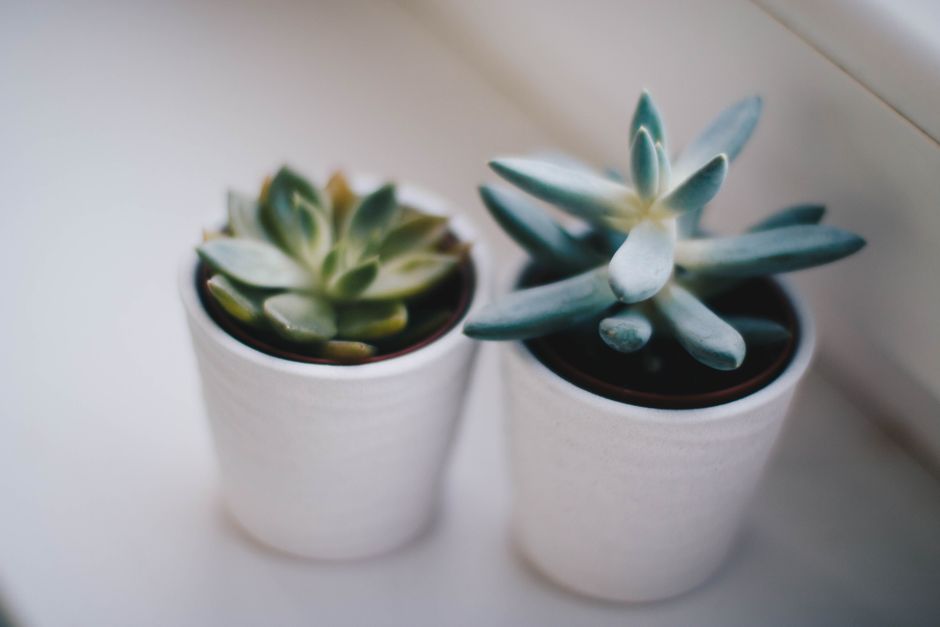
Echeveria ‘Loves Fire’ is a rosette-forming succulent grown for its pointed leaves, which develop red and orange tones when it gets enough light. Grow it in fast-draining cactus mix, water only when the soil has dried completely, and give it several hours of bright light daily. It is not frost-hardy, so most growers keep it in a pot they can move indoors for winter.
What Is Echeveria ‘Loves Fire’?
It is a cultivated variety of Echeveria, a genus of succulents native to semi-desert regions of Mexico and Central America. These plants store water in thick, fleshy leaves arranged in a tight spiral called a rosette. That rosette shape is the plant’s main survival strategy — it channels rain toward the center and limits how much leaf surface is exposed to direct sun.
‘Loves Fire’ is a named cultivar, not a wild species. Named cultivars are selected for specific traits, and this one is selected for color. Its leaves are green at the base and flush red, orange, or copper at the tips and edges when light exposure is high. That color shift is not a disease or a nutrient problem. It comes from pigments the plant produces in response to strong light, and it fades back toward green when light drops.
One thing worth knowing: the exact parentage of many Echeveria cultivars is not publicly documented, and ‘Loves Fire’ is no exception. If you see a seller claim a precise species cross, treat that with some skepticism. What matters for care is that it is a standard rosette Echeveria with typical needs.
How Much Light Does Echeveria ‘Loves Fire’ Need?
Bright light is the single biggest factor in how this plant looks. Without it, the rosette stretches, the stem elongates, and the plant loses its compact shape. That condition is called etiolation, and it is the most common problem growers run into.
Aim for at least four to six hours of direct sun per day, or a full day of very bright indirect light. A south- or west-facing window is usually the best indoor spot in the northern hemisphere. Outdoors, morning sun with some protection from harsh afternoon heat works well in hot climates.
Indoor growers often find that even a bright window is not enough, especially in winter. A grow light is a reasonable solution. You do not need an expensive setup — a basic full-spectrum LED placed close to the plant for several hours a day makes a visible difference in color and shape.
Watch for sunburn when moving a plant from low light to high light. Pale, brown, or papery patches on the upper leaf surface mean the change was too fast. Move it back and increase exposure gradually over a couple of weeks.
How Should You Water Echeveria ‘Loves Fire’?
Water thoroughly, then let the soil dry completely before watering again. That cycle matters more than any specific schedule. A plant in a small pot in summer may need water every week or two. The same plant in winter may need it once a month or less.
The reason for this is straightforward. Echeveria roots are adapted to infrequent rainfall and dry out fast in their native habitat. In a pot, roots sitting in constant moisture cannot take up oxygen properly and begin to rot. Overwatering is by far the most common way people kill these plants.
Signs you are watering too often:
- Leaves that look soft, translucent, or yellow, especially near the base
- A mushy or dark stem
- Soil that stays damp for more than a few days
- Leaves dropping off with almost no pressure
Signs you are watering too little are usually milder. The lower leaves dry up and shrivel, and the rosette may close inward slightly. That is the plant using stored water, and a normal watering usually fixes it within a few days.
When in doubt, wait. A dry Echeveria recovers. A rotted one often does not.




What Soil and Pot Does This Succulent Need?
Use a fast-draining mix made for cacti and succulents, or make your own by blending regular potting soil with coarse perlite or pumice. A rough starting point is equal parts potting mix and drainage material, though exact ratios are not critical as long as water runs through quickly.
The pot matters as much as the soil. Terra cotta is a good choice because it is porous and lets moisture escape through the walls. Any container works if it has a drainage hole. A pot without drainage is a real risk for this plant — water collects at the bottom with nowhere to go, and root rot follows.
Size the pot to the root ball, with a little room to grow. A plant in a pot that is far too large sits in wet soil for longer than it should, which raises the same rot risk as overwatering.
What Temperature and Humidity Does It Tolerate?
Average room temperatures suit this plant well. It grows actively somewhere in the range of typical indoor conditions and slows down when it gets cold.
Cold is the real limit. Echeveria ‘Loves Fire’ is not frost-tolerant, and freezing temperatures can kill it. If you live where winters drop below freezing, grow it in a pot and bring it inside before the first frost. A cool but above-freezing spot indoors is fine for the winter rest period.
Humidity is the other factor. These plants come from dry regions and do poorly in consistently humid air, which slows evaporation and keeps soil wet. In humid climates, use a very gritty mix, water less often, and keep air moving around the plant. Indoors, avoid placing it in a steamy bathroom or right next to a kitchen sink.
How Do You Propagate Echeveria ‘Loves Fire’?
The easiest method is leaf cuttings. Twist a healthy leaf gently until it snaps off cleanly at the base — a torn leaf usually will not root. Let it sit in a dry, shaded spot for a few days until the broken end calluses over. Then lay it on top of dry succulent mix and wait.
Do not water the leaf until roots or a tiny rosette appear. Once they do, you can begin light watering. A new plant grown from a leaf is a clone of the parent, so it will carry the same coloring.
Offsets, sometimes called pups, are even simpler. These are small plants that form around the base of the main rosette. Once an offset has its own roots, you can separate it with a clean knife and pot it on its own.
Stem cuttings work too, particularly if your plant has stretched from low light. Cut the stem, let it callus, and plant it in dry mix. The original stem often produces new growth from the cut point.
Common Problems and What Causes Them
Most problems with this plant trace back to light, water, or air. Getting those three right prevents the majority of issues.
Stretching and fading color usually means not enough light. Move the plant gradually into a brighter spot.
Soft, yellow, or mushy tissue points to overwatering or root rot. Stop watering, check the roots, and remove any that are brown and mushy. If the stem is affected, you may need to cut above the damage and re-root the top.
Mealybugs are a common pest on succulents. They look like small white cottony clusters, often tucked in leaf joints. Wipe them off with a cotton swab dipped in rubbing alcohol, and repeat as needed. Isolate the plant from others while you treat it.
Brown, dry patches on the upper leaves are usually sunburn from a sudden move into strong light, not disease. New growth will come in normal.
One clarification worth making: a red or orange tint is not a sign of stress in the harmful sense. It is a normal response to bright light, and it is exactly what most growers want from this cultivar.
Frequently Asked Questions
How often should I water Echeveria ‘Loves Fire’?
Water only when the soil has dried completely, which may be every week or two in summer and once a month or less in winter. There is no fixed schedule — check the soil each time.
Why is my Echeveria ‘Loves Fire’ turning green?
It is not getting enough light, so it produces less of the pigment that creates the red and orange tones. Move it gradually into brighter conditions to bring the color back.
Can Echeveria ‘Loves Fire’ survive winter outdoors?
No, it is not frost-tolerant and freezing temperatures can kill it. Grow it in a pot and bring it indoors before the first frost if your winters drop below freezing.
Is Echeveria ‘Loves Fire’ toxic to pets?
Echeveria species are generally considered non-toxic to cats and dogs, though eating any plant can cause mild stomach upset. If you suspect your pet has eaten a large amount, contact your veterinarian.
