
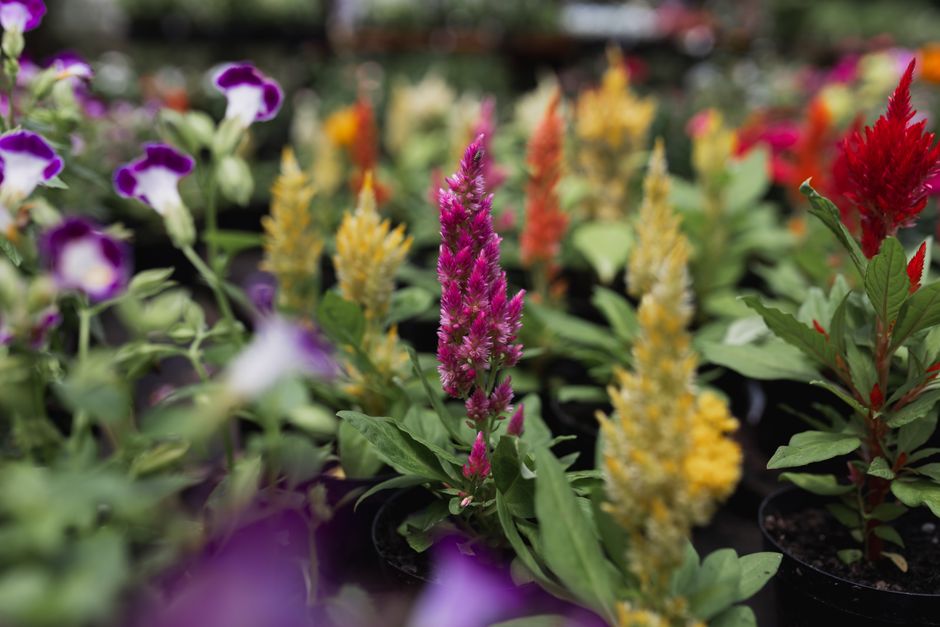
Celosia “Dragon’s Breath” is a tropical ornamental prized for its vivid red plumes and edible leaves, and it can be grown indoors year-round if you give it strong light, warm temperatures, and careful watering. The plant needs at least six hours of bright, direct light daily, a fast-draining potting mix, and consistent moisture without ever sitting in soggy soil. Indoors, the main challenges are low humidity, weak winter light, and cool drafts — address those three and the plant can thrive as a houseplant.
How To Grow And Care For Celosia Dragons Breath Indoors
Celosia argentea, the species that includes Dragon’s Breath, is a warm-season annual in most of the United States. Outdoors it grows as a summer bedding plant. Indoors, you are essentially recreating tropical growing conditions year-round.
The plant’s native range spans tropical Africa and parts of Asia, where it grows in warm, humid conditions with intense sun. That background tells you what it wants indoors: a south- or west-facing window, temperatures that stay above 60°F, and soil that drains quickly.
Dragon’s Breath is a specific cultivar known for its deep crimson foliage and bright red flower plumes. It is sometimes sold as an ornamental edible, and the young leaves and flowers are eaten in some cultures. Whether you grow it purely for looks or also harvest it, the care requirements are the same.
One clarification worth making: Dragon’s Breath celosia is sometimes confused with other red celosia varieties. The care is essentially identical across Celosia argentea cultivars, so if you have a different red plume celosia, the guidance here still applies.
What Kind of Light Does Celosia Dragon’s Breath Need Indoors?
Celosia needs full sun — the kind of light that would give you a sunburn on a clear summer day. Indoors, that translates to the brightest spot you have.
A south-facing window is ideal in most US homes. West-facing works well too, especially in summer. East-facing is usually not enough for strong growth and flowering. North-facing windows are almost always inadequate.
If your brightest window still leaves the plant looking leggy — long stems with wide gaps between leaves — the light is insufficient. You can supplement with a full-spectrum LED grow light positioned a few inches above the plant. Run it for 12 to 14 hours a day during the growing season.
In winter, even a good window may not provide enough light. Many indoor celosia plants slow their growth or stop flowering entirely from late fall through early spring. That is normal. The plant is not dying — it is responding to shorter days and weaker sun. Keep it alive through winter and it will typically resume vigorous growth when light increases in spring.
Rotate the pot a quarter turn every week or so. Celosia grows toward light, and without rotation it will lean and become lopsided.
How Should You Water Celosia Dragon’s Breath Indoors?
Water when the top inch of soil feels dry to the touch. That is the most reliable rule for indoor celosia.
Overwatering is the most common way people kill this plant indoors. Celosia roots need oxygen, and soil that stays wet for days suffocates them. The first sign of trouble is usually yellowing lower leaves, followed by wilting that does not improve with more water. By the time root rot is visible above the soil, the damage is often advanced.
Underwatering is less common but possible. A celosia that is too dry will wilt quickly and its leaf edges may turn crisp and brown. Unlike some drought-tolerant succulents, celosia does not store much water. It wants consistent moisture, not a cycle of bone-dry then flooded.
Use a pot with drainage holes. Always. A decorative pot without drainage is a recipe for root rot unless you use it as a cachepot and remove the plant for watering.
Water thoroughly until it runs out the bottom, then empty the saucer. Do not let the pot sit in standing water. In summer, you may need to water every two to three days. In winter, once a week or less may be enough. Check the soil rather than following a fixed schedule.



What Soil and Pot Setup Works Best?
A fast-draining potting mix is essential. Standard indoor potting soil often holds too much water for celosia. Mix in perlite or coarse sand to improve drainage — roughly one part perlite to two or three parts potting mix works well.
Terracotta pots help because the porous clay wicks moisture away from the soil. Plastic pots retain more water, which can be a problem if you tend to overwater. Either works if you adjust your watering habits.
Repot when roots start circling the bottom of the container or emerging from drainage holes. Choose a pot one size larger — usually one to two inches wider in diameter. Moving to a much larger pot can leave excess wet soil around the roots and increase rot risk.
Celosia has a fairly shallow, fibrous root system. It does not need a deep pot. A container that is wider than it is tall often works better than a tall narrow one.
Temperature and Humidity Requirements
Celosia prefers temperatures between 65°F and 85°F. It does not tolerate cold well. Below 60°F, growth slows. Below 50°F, the plant can be damaged or killed.
Keep it away from cold windows in winter, air conditioning vents in summer, and drafty doors. A sudden chill can cause leaf drop even if the rest of the room is warm.
Humidity is where indoor growing gets tricky. Celosia likes moderate to high humidity. Most heated and air-conditioned homes sit around 30 to 40 percent relative humidity, which is on the low side.
You can raise humidity by grouping plants together, placing the pot on a tray of pebbles with water below the pebble line, or running a small room humidifier. Misting is commonly recommended but provides only brief, temporary humidity and can promote fungal leaf problems if done heavily. A pebble tray or humidifier is more effective.
Fertilizing, Pruning, and Encouraging Blooms
Feed celosia with a balanced liquid fertilizer diluted to about half the label strength every two to four weeks during active growth. In winter, stop feeding or reduce to once a month. Fertilizing a slow-growing plant can lead to salt buildup in the soil.
Pinching off the growing tips of young plants encourages a bushier shape. Deadheading — removing spent flowers — can encourage more blooms, though indoor celosia often flowers less than outdoor plants regardless of care.
If the plant becomes leggy, you can prune it back by up to one-third. New growth will emerge from the cut points. Use clean scissors or pruning shears.
Yellowing or browning leaves at the base are normal as the plant ages. Remove them to improve airflow and appearance. If yellowing spreads upward rapidly, suspect overwatering or a root problem.
Common Indoor Problems and What They Mean
Most indoor celosia problems trace back to one of three causes: too little light, too much water, or air that is too cold or too dry.
- Leggy growth, few or no flowers: Not enough light. Move to a brighter spot or add a grow light.
- Yellow lower leaves, wilting that does not recover: Likely overwatering or root rot. Let the soil dry more between waterings and check drainage.
- Crispy brown leaf edges: Usually low humidity or underwatering. Check soil moisture and consider raising humidity.
- Sudden leaf drop: Often a reaction to cold drafts or a sharp temperature change.
- White fuzzy patches or spots on leaves: Possible fungal issue, often linked to poor airflow and wet foliage. Improve air circulation and avoid overhead watering.
- Small insects on new growth or under leaves: Common indoor pests include aphids, spider mites, and whiteflies. Insecticidal soap or neem oil is commonly used, though evidence on effectiveness varies by pest and product.
Celosia is generally not considered highly toxic to humans or pets, and some varieties are grown as edible plants. That said, if you are unsure which cultivar you have, do not eat it. Ornamental plants sold for landscaping are not always grown under food-safety conditions.
Can You Keep Celosia Dragon’s Breath Alive Through Winter Indoors?
Yes, but expect slower growth and possible dormancy. Celosia is a warm-season plant. Indoors in winter, with less light and drier air, it often stops producing new growth and flowers.
Keep it in your brightest window, water sparingly, stop fertilizing, and keep it away from cold drafts. Do not panic if it looks sparse. Many plants recover fully in spring when light and warmth return.
Some growers treat celosia as a single-season plant indoors and start fresh from seed each year. That is a reasonable approach if the plant struggles through winter. Seeds germinate readily in warm conditions and the plant grows quickly.
If your celosia dies back completely despite good care, it may simply have reached the end of its natural life cycle. Celosia is botanically an annual or short-lived perennial. Even with perfect care, indoor plants sometimes decline after a year or two.
Frequently Asked Questions
How much sunlight does Celosia Dragon’s Breath need indoors?
It needs at least six hours of bright, direct light daily, ideally from a south- or west-facing window. If natural light is weak, supplement with a full-spectrum grow light for 12 to 14 hours a day.
Why is my indoor celosia losing its red color?
Fading color usually means the plant is getting too little light. Move it to a brighter spot, and the new growth should develop stronger color over time.
Can Celosia Dragon’s Breath survive winter indoors?
It can survive, but growth typically slows or stops because of weaker light and drier indoor air. Keep it warm, water sparingly, and stop fertilizing until spring.
Is Celosia Dragon’s Breath safe to eat?
Some Celosia argentea varieties are grown as edible plants, and the leaves and flowers are eaten in certain cultures. If you are not certain of the specific cultivar or how it was grown, do not eat it.
