
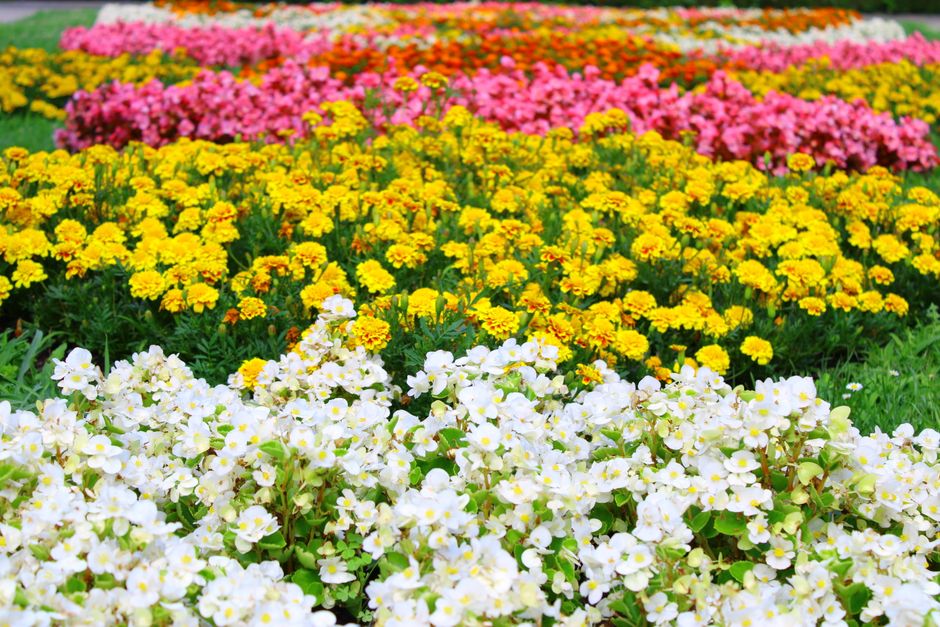
Begonia Thurstonii is a cane-type begonia with olive-green leaves, red undersides, and clusters of soft pink flowers. It grows best in bright, indirect light, consistently moist but well-draining soil, and temperatures between 60-75°F. This plant is not difficult to keep happy once you understand its basic needs for humidity, watering discipline, and seasonal rest.
What Is Begonia Thurstonii?
Begonia Thurstonii is a hybrid cane begonia that has been grown indoors for over a century. It is sometimes called the “Thurston’s begonia” and is known for its arching growth habit and colorful foliage. The leaves are oval, slightly asymmetrical, and have a bronze-green upper surface with a deep red reverse.
It is a flowering houseplant, not a tuberous or rhizomatous begonia. It grows upright stems with bamboo-like joints, which is why it belongs to the cane group. In the right conditions, it can reach two to three feet tall indoors. It produces small pink flowers in hanging clusters, usually in winter or early spring.
This plant is not toxic to humans but is considered toxic to pets. Cats and dogs that chew on the leaves may experience drooling, vomiting, or mouth irritation. If you have pets that nibble plants, keep this begonia out of reach.
How Much Light Does Begonia Thurstonii Need?
Bright, indirect light is the sweet spot for this begonia. A north or east-facing window works well. A west window with sheer curtains can also work. Direct afternoon sun will scorch the leaves, causing brown patches and crispy edges.
Signs of too little light include leggy stems, fading leaf color, and few or no flowers. The plant stretches toward the light source and the distance between leaves on the stem increases. If you notice this, move it closer to a window or add a grow light.
An east-facing window is often ideal because it provides gentle morning sun without the intensity of midday heat. If you only have a south-facing window, place the plant several feet back from the glass or use a sheer curtain to filter the light. Rotate the pot a quarter turn each week so all sides receive even light and the plant grows straight.
How Often Should You Water Begonia Thurstonii?
Water when the top inch of soil feels dry to the touch. This usually means watering once every 7-10 days in the growing season, and less often in winter. Cane begonias prefer consistent moisture but will rot if left sitting in soggy soil.
Use room-temperature water. Cold water can shock the roots and cause leaf drop. Water thoroughly until it runs out of the drainage holes, then empty the saucer. Never let the pot sit in standing water for more than 15-20 minutes.
Overwatering is the most common cause of death for this plant. Symptoms of overwatering include yellowing lower leaves, mushy stems, and a sour smell from the soil. If the stems feel soft near the base, root rot has likely begun. Underwatering shows as drooping leaves and dry, crisp leaf edges.
During winter, when growth slows, reduce watering. The soil will dry out more slowly because the plant is using less water. Check the soil before watering rather than following a fixed schedule. The plant’s needs change with temperature, humidity, and season.



What Soil and Potting Mix Should You Use?
Begonia Thurstonii needs a soil mix that holds moisture but drains well. A standard houseplant potting mix amended with perlite or coarse sand works well. The goal is a mix that stays lightly moist for a few days but never becomes waterlogged.
A simple recipe is two parts all-purpose potting soil, one part perlite, and one part orchid bark or coco coir. This provides aeration for the roots and prevents compaction. Cane begonias have fine, fibrous roots that benefit from loose soil structure.
Choose a pot with drainage holes. Terracotta pots are a good choice because they allow excess moisture to evaporate through the walls. Plastic pots retain moisture longer, which can be helpful in dry homes but risky if you tend to overwater.
Repot every 12-18 months or when roots begin growing out of the drainage holes. Move up only one pot size at a time. A pot that is too large holds excess soil that stays wet too long, increasing the risk of root rot. Spring is the best time to repot because the plant is entering its active growth phase.
What Temperature and Humidity Does It Prefer?
This begonia is a tropical plant that prefers temperatures between 60-75°F. It can tolerate brief dips to 55°F but will suffer if exposed to cold drafts or temperatures below 50°F. Keep it away from exterior doors, drafty windows, and air conditioning vents.
Average household humidity of 40-50% is usually sufficient. If your home is very dry, especially in winter, the leaf edges may turn brown and crispy. You can raise humidity by placing a small humidifier nearby, setting the pot on a tray of wet pebbles, or grouping plants together.
Misting the leaves is not recommended. It provides only temporary humidity and can promote fungal diseases if water sits on the leaves. The pebble tray method is more effective because it provides consistent humidity without wetting the foliage.
Sudden temperature changes can cause leaf drop. This plant dislikes being moved from a warm room to a cold windowsill. If you move it outdoors for summer, do so gradually over a week, bringing it inside at night until it adjusts.
How Do You Fertilize Begonia Thurstonii?
Feed this begonia every 2-4 weeks during spring and summer with a balanced liquid fertilizer diluted to half strength. A balanced formula such as 20-20-20 works well. Stop fertilizing in fall and winter when growth naturally slows.
Fertilizer is not food in the way most people think. Plants make their own food through photosynthesis. Fertilizer provides minerals like nitrogen, phosphorus, and potassium that support growth. Too much fertilizer can burn the roots and cause leaf tip browning.
If you repot in fresh soil each spring, you can reduce feeding to once a month. Fresh potting mix already contains nutrients. Over-fertilizing a freshly repotted plant can cause salt buildup in the soil, which appears as a white crust on the pot rim or soil surface.
Flush the soil every few months by watering thoroughly with plain water until it runs freely from the drainage holes. This washes away accumulated fertilizer salts that can damage roots over time.
How Do You Prune and Propagate Begonia Thurstonii?
Prune in spring to control size and encourage bushier growth. Cut stems just above a leaf node using clean, sharp scissors. The plant will branch out from the cut point, producing a fuller shape. Remove any dead, yellowing, or damaged leaves at the same time.
Propagation is simple with stem cuttings. Take a 4-6 inch cutting with at least two leaf nodes. Remove the lower leaves, dip the cut end in rooting hormone if you have it, and place the cutting in water or moist potting mix. Roots typically appear within 2-4 weeks.
Water propagation lets you watch the roots develop, which is satisfying for beginners. Once roots reach about an inch long, transfer the cutting to soil. Be gentle during this transition because water roots are more fragile than soil roots.
Soil propagation often produces stronger roots because they never have to adapt from water to soil. Insert the cutting into moist mix, keep it in bright indirect light, and cover with a clear plastic bag to maintain humidity. Remove the bag once new growth appears.
Common Problems and How to Fix Them
Yellow leaves usually mean overwatering or poor drainage. Check the roots for rot and reduce watering frequency. Brown, crispy leaf edges indicate low humidity or excess fertilizer. Adjust one variable at a time to identify the cause.
Powdery mildew appears as white, powdery spots on leaves. It develops in humid conditions with poor air circulation. Improve airflow around the plant, avoid wetting the leaves, and remove affected foliage. Some growers use a homemade spray of one part milk to nine parts water, but evidence for this remedy is limited.
Mealybugs and spider mites are the most common pests. Mealybugs look like small cottony masses on stems and leaf joints. Spider mites cause fine webbing and stippled, yellowing leaves. Wipe leaves with a cloth dipped in soapy water, and treat with insecticidal soap according to the product label.
Leggy growth with long bare stems is a light problem. The plant is stretching toward insufficient light. Move it to a brighter location and prune back the leggy stems to encourage branching. New growth will be more compact in better light.
How To Grow And Care For Begonia Thurstonii in Winter
Winter is a rest period for this plant. Growth slows, flowering may occur, and the plant needs less water and no fertilizer. Reduce watering to every 10-14 days, allowing the top two inches of soil to dry between waterings.
Keep the plant away from cold windows at night. The temperature near a window can drop significantly below the room temperature. Move it to a warmer spot or close the curtains between the plant and the cold glass.
Winter flowering is a bonus, not a guarantee. The plant needs adequate light during the shorter days to produce buds. If your home is dark in winter, a grow light can help. Place it a few inches above the plant and run it for 10-12 hours per day.
Do not repot or prune heavily in winter. The plant is not actively growing, so it will recover slowly from stress. Wait until spring when new growth appears before making major changes.
Frequently Asked Questions
Why are the leaves on my Begonia Thurstonii turning yellow?
Yellow leaves usually mean overwatering or poor drainage. Check the roots for rot and let the soil dry out more between waterings.
Can Begonia Thurstonii grow in low light?
It will survive in low light but will become leggy and may stop flowering. Bright, indirect light is required for healthy growth and blooms.
Is Begonia Thurstonii safe for pets?
No, it is toxic to cats and dogs if ingested. Symptoms include drooling, vomiting, and mouth irritation.
How do I get my Begonia Thurstonii to flower?
Provide bright indirect light, consistent moisture, and a winter rest period with reduced watering and no fertilizer. Flowers typically appear in late winter or early spring.
