
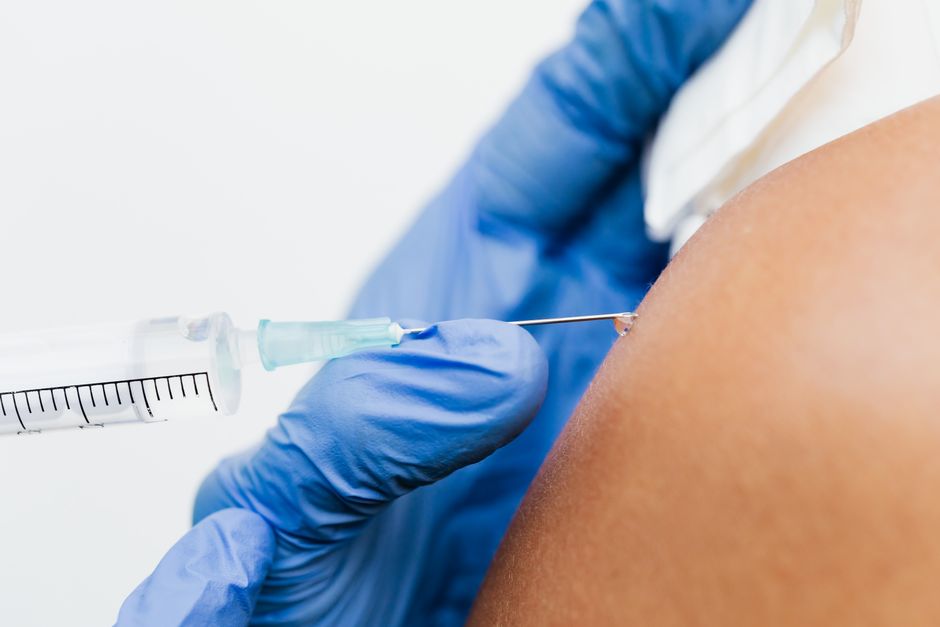
Giving yourself a B12 injection at home is a straightforward process once you know the steps. You will need a doctor’s prescription, the correct supplies, and a clean workspace. The most common method is a subcutaneous injection into the fatty tissue just below the skin, usually in the abdomen or thigh. Always confirm your specific dose and injection method with your prescribing clinician before your first self-injection.
What Supplies Do You Need for a B12 Injection?
Before you start, gather everything in one clean, well-lit area. Using the correct supplies matters for both safety and comfort. You should never reuse needles or syringes.
- Prescribed B12 vials (either cyanocobalamin or methylcobalamin)
- Alcohol swabs
- A new syringe with an attached needle (your clinician will specify the gauge and length)
- A sharps disposal container
- A bandage or cotton ball
Check the vial label before each use. Confirm the medication name, concentration, and expiration date. If the liquid looks cloudy, discolored, or contains particles, do not use it. Contact your pharmacy for a replacement.
How To Prepare the B12 Injection Safely
Preparation prevents infection and ensures you draw the correct dose. Start by washing your hands thoroughly with soap and warm water for at least 20 seconds. Dry them with a clean towel.
Clean your injection site with an alcohol swab. Use a circular motion starting from the center and moving outward. Let the alcohol dry completely. Touching the skin before the alcohol dries can reintroduce bacteria.
Remove the cap from the B12 vial. Wipe the rubber stopper with a fresh alcohol swab. This step is frequently skipped but it is an important part of sterile technique.
Pull the plunger back to draw air into the syringe equal to your prescribed dose. Insert the needle straight into the rubber stopper. Push the air into the vial — this creates pressure that makes drawing the liquid easier. Turn the vial upside down, keeping the needle tip below the liquid surface. Pull the plunger back slowly to draw the correct amount of B12.
Check the syringe for air bubbles. Tap the side of the syringe gently to move bubbles to the top. Push the plunger slightly to expel the air. You may lose a tiny drop of liquid, which is normal.
How To Choose the Injection Site
B12 injections are typically given in two places: the abdomen or the outer thigh. Both work well for subcutaneous delivery. The abdomen is often easier to reach and see clearly.
For the abdomen, choose a spot at least two inches away from your belly button. Avoid areas with scars, bruises, stretch marks, or visible veins. Rotate sites between injections if you give them regularly. This reduces tissue irritation and keeps the area comfortable.
For the thigh, use the outer middle section. Sit down and pinch the fatty tissue between your thumb and forefinger. This lifts the tissue away from the muscle underneath, which is the goal for a subcutaneous injection.





How To Give Yourself the Subcutaneous B12 Injection
Subcutaneous means into the fatty layer just beneath the skin. This is the standard method for home B12 injections. It is less painful than intramuscular injections and easier to manage on your own.
Pinch a fold of skin at your chosen site. Hold it firmly. With your other hand, insert the needle at a 45- to 90-degree angle. A 45-degree angle is common for people with less fatty tissue. A 90-degree angle works well for those with more subcutaneous fat.
Insert the needle quickly and smoothly. A slow push causes more discomfort. Once the needle is fully in, release the pinched skin. Pull the plunger back slightly to check for blood. If blood appears, you have hit a blood vessel. Withdraw the needle, discard it in the sharps container, and start fresh with new supplies.
If no blood appears, push the plunger down slowly and steadily. Injecting too fast can cause a burning sensation. When the syringe is empty, remove the needle at the same angle you inserted it. Apply gentle pressure with a clean cotton ball or bandage. Do not rub the site.
What To Do After the Injection
Dispose of the used needle and syringe immediately in a sharps container. Never recap the needle. Recapping is how most accidental needlestick injuries happen. If you do not have a sharps container, use a heavy-duty plastic laundry detergent bottle with a screw-on lid. Check your local regulations for proper disposal options — many pharmacies and clinics accept used sharps.
Mild redness, swelling, or itching at the injection site is common and usually resolves within a few hours. A cold compress can help if the area feels sore. Some people notice a slight metallic taste or a warm flush shortly after injection. This is generally harmless and passes quickly.
If you experience severe pain, spreading redness, difficulty breathing, or swelling of the face or lips, seek emergency medical attention. These symptoms can indicate an allergic reaction, which is rare but serious.
Common Mistakes To Avoid With Self-Injections
Several errors are common among people new to self-injection. Awareness of these can prevent discomfort and complications.
Using the wrong needle length. A needle that is too long can reach muscle, which causes more pain. A needle that is too short may not deliver the medication into the fatty layer. Your clinician or pharmacist can help you select the right size.
Injecting into a vein. The blood-aspiration step is not optional. B12 is generally safe, but injecting into a vein can cause rapid delivery and unpleasant side effects. Always pull back the plunger to check.
Reusing needles. Reusing needles is unsafe. It increases infection risk, and dull needles cause more pain. Every injection requires a fresh, sterile needle and syringe.
Skipping site rotation. Repeated injections in the same spot can cause lipohypertrophy — a buildup of fatty tissue that makes absorption less reliable. Rotating sites keeps tissue healthy.
When To Seek Professional Guidance
Self-injection is a skill that improves with practice. If you feel unsure after your first attempt, ask your clinician’s office for a follow-up demonstration. Many clinics will watch you perform an injection once to confirm your technique.
Certain situations require medical supervision. If you have a bleeding disorder, take blood thinners, or have significant scarring at injection sites, discuss this with your doctor before self-injecting. Pregnant or breastfeeding women should also consult their obstetric provider about B12 dosing and administration methods.
Some research suggests that oral B12 supplements may be adequate for mild deficiencies. However, for people with pernicious anemia, malabsorption conditions, or prior gastric surgery, injections remain the standard treatment. Your doctor determines which route fits your situation based on blood tests and clinical history.
How To Store B12 Vials Properly
Proper storage keeps your medication effective. Most B12 vials should be stored in the refrigerator between 36°F and 46°F. Check the label — some formulations tolerate room temperature for short periods, but refrigeration is the safest default.
Keep vials away from light and moisture. Do not freeze B12. Freezing can cause the medication to degrade. If a vial has been frozen, discard it and request a replacement.
Note the date you first punctured the vial. Most multidose vials are safe to use for 28 days after the first puncture. After that, discard any remaining medication even if liquid remains. Using expired or contaminated medication increases infection risk.
Frequently Asked Questions
Does a B12 injection hurt?
Most people feel a brief pinch when the needle enters. The injection itself is usually painless when given slowly into fatty tissue.
Can I inject B12 into my arm by myself?
Self-injection into the arm is difficult because you need one hand to pinch the skin and the other to guide the needle. The abdomen or thigh is safer and easier for self-administration.
How often should I give myself a B12 injection?
Your prescribing clinician determines the frequency based on your deficiency level and how your body responds. Common schedules range from daily for severe deficiency to monthly for maintenance.
What happens if I inject air into my skin?
Small air bubbles in a subcutaneous injection are generally harmless and absorb into the tissue. Large air volumes injected into a vein can be dangerous, which is why you always check for blood before injecting.
