
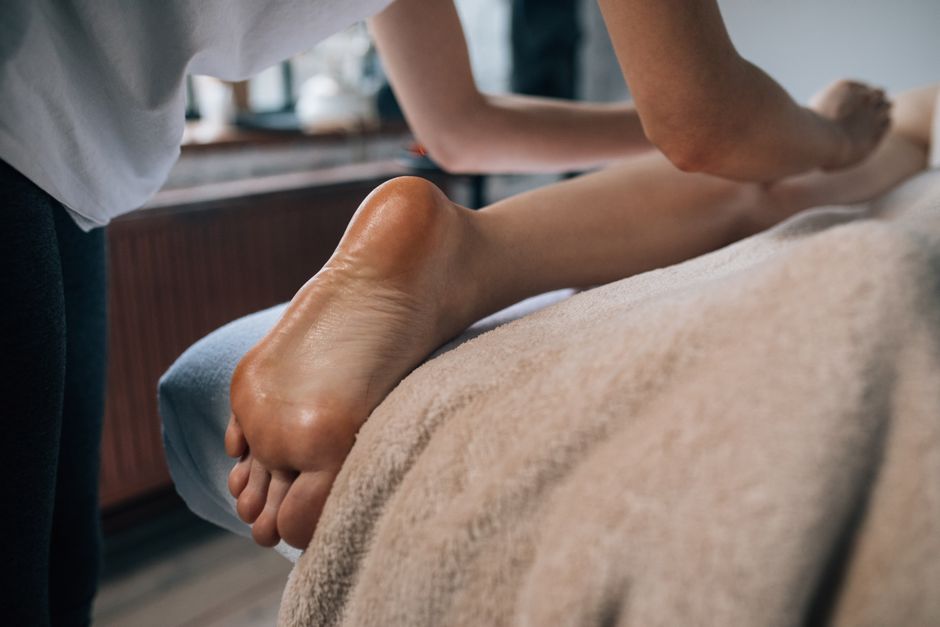
Giving a good massage is about more than just pressing on muscles. It is a skill built on anatomy, pressure, and communication. You do not need professional training to give a relaxing and effective massage at home. You need a clean space, warm hands, and a basic understanding of how the body responds to touch. Start with light pressure, check in with the person receiving the massage, and work from the largest muscle groups down to the smaller ones. This guide walks you through the entire process step by step.
What Do You Need Before Starting a Massage?
Preparation matters more than technique. A comfortable environment helps the muscles relax, which makes your work easier. Choose a quiet room with a comfortable temperature. Cold rooms cause muscles to tense up, which works against everything you are trying to accomplish.
You need a firm, flat surface. A massage table is ideal, but a padded floor mat or a firm bed works well too. The surface should support the body without sagging. If the surface is too soft, the muscles cannot relax properly because the body is working to maintain balance.
Have a bottle of massage oil or lotion ready. Oil reduces friction, allowing your hands to glide smoothly over the skin. Coconut oil, jojoba oil, or a simple unscented lotion all work. Avoid oils with strong fragrances or warming agents like menthol, as these can irritate sensitive skin. Warm the oil in your hands before applying it to the body. Cold oil on bare skin causes a shock response that tightens the muscles.
Remove jewelry from your hands and wrists. Rings and bracelets can scratch the skin and interrupt the flow of your strokes. Keep your fingernails short and filed smooth. Long nails are uncomfortable and can leave marks.
How To Give A Good Massage: Step by Step
Begin with the person lying face down on the surface. Place a pillow or rolled towel under their chest and another under their ankles. This takes pressure off the lower back and keeps the spine in a neutral position. Cover them with a sheet or towel, exposing only the area you are working on. This keeps the body warm and respects their privacy.
Start with the back. The back is the largest muscle group and the safest place to begin. Apply a small amount of oil to your hands and rub them together to warm it. Place your hands flat on either side of the lower spine. Push upward toward the shoulders with firm, even pressure. Move your hands outward across the shoulder blades and slide back down to the starting position. Repeat this stroke slowly for several minutes.
Use your thumbs to work along the muscles that run parallel to the spine. Do not press directly on the spine itself. The bones of the spine cannot absorb pressure the way muscle tissue can. Work the thick muscles on either side of the spine with small circular motions. Increase pressure gradually as the muscles warm up.
Move to the shoulders and neck. The trapezius muscle runs from the base of the skull across the shoulders. This muscle holds a great deal of tension. Squeeze the top of the shoulder between your thumb and fingers. Hold for a few seconds, then release. Work along the muscle toward the neck. Use your fingertips to make small circles at the base of the skull, where the neck meets the head. Keep pressure light here. The neck contains important blood vessels and nerves, and pressing too hard can cause dizziness or pain.
Move down to the legs. Work one leg at a time. Place your hands on the back of the thigh, just above the knee. Slide your hands upward toward the buttock with firm pressure. Repeat several times, then work the calf muscle using the same upward motion. Avoid pressing deeply into the back of the knee. This area contains the popliteal artery and major nerves, and deep pressure here can cause discomfort or injury.
Ask the person to turn over onto their back. Cover them with the sheet again. Work on the front of the legs, starting at the shin and moving upward to the thigh. Use long, gliding strokes. The front of the thigh contains the quadriceps, a large muscle group that responds well to moderate pressure.
Finish with the arms, hands, feet, and head. The arms require lighter pressure than the legs. Work from the wrist up to the shoulder using long strokes. Spend time on the hands, pressing your thumbs into the palm and working each finger gently. The feet carry a great deal of daily stress. Press your thumbs into the arch of the foot and work along the heel. Finish with gentle circular motions on the scalp using your fingertips.
How Much Pressure Should You Use?
Pressure is the most common mistake people make with massage. Too much pressure causes pain and muscle guarding, where the muscle contracts to protect itself from harm. Too little pressure feels like a tickle and does nothing to relieve tension.
The right amount of pressure depends on the person and the area of the body. Large muscles like the back and thighs can handle firmer pressure. Bony areas like the spine, knees, and elbows need light pressure. The neck and the area behind the knees need the lightest pressure of all.
Check in regularly with the person receiving the massage. Ask them to rate the pressure on a scale of one to ten, where one is barely noticeable and ten is painful. Aim for a six or seven, which is firm but comfortable. If they wince, tense up, or pull away, lighten the pressure immediately.
Pain during a massage is not a sign that the massage is working. Deep tissue massage can cause some discomfort, but it should never be sharp or intense. A good rule is that the person should be able to breathe easily and talk normally throughout the session.





How Long Should a Massage Last?
A full-body massage typically lasts 30 to 60 minutes. If you are new to giving massages, aim for 20 to 30 minutes. This is enough time to cover the major muscle groups without exhausting your hands and arms.
Spend the most time on the areas that hold the most tension. For most people, this is the upper back, shoulders, and neck. If the person specifically mentions a problem area, such as tight calves from running, spend extra time there.
Watch for signs that the person is done. Deep, slow breathing indicates relaxation. Muscle twitching can mean the muscle is releasing tension. If the person falls asleep, let them rest. Waking them abruptly can be startling.
What Are the Health Benefits of Massage?
Research consistently shows that massage reduces stress hormones like cortisol. It also increases dopamine and serotonin, the chemicals associated with mood and well-being. These effects appear in studies regardless of the massage style used.
Massage improves blood circulation in the areas being worked. The pressure and movement help push blood through the veins, which can reduce swelling in the legs and feet. This is why massage is sometimes recommended for people who stand all day.
Massage can reduce muscle soreness after exercise. Some studies indicate that massage reduces inflammation in muscles after intense physical activity. The effect appears to be modest, but real. Massage is not a substitute for proper recovery practices like hydration, sleep, and nutrition.
There is no strong evidence that massage cures chronic conditions like fibromyalgia or chronic fatigue syndrome. Some people report symptom relief, but the clinical evidence is mixed. Massage is best understood as a tool for relaxation and temporary pain relief, not a medical treatment.
When Should You Avoid Massage?
Massage is not safe for everyone in every situation. Do not massage areas with open wounds, rashes, or sunburn. Working over broken skin can spread infection and cause pain.
Avoid massage if the person has a fever, an active infection, or a blood clot in the leg. Deep pressure over a blood clot can dislodge it, which can be life-threatening. If someone has a known blood clotting disorder, they should get approval from their doctor before receiving massage.
Pregnant women can receive massage, but certain positions and pressure points should be avoided. The safest approach is to have the woman lie on her side with pillows for support. Avoid deep pressure on the abdomen and ankles during pregnancy. Some clinicians recommend avoiding massage in the first trimester, though the evidence for harm is limited. If you are unsure, ask the person to check with their prenatal care provider.
People with osteoporosis, recent fractures, or severe skin conditions should not receive massage without medical clearance. If the person has any chronic health condition, it is reasonable to ask whether their doctor has approved massage therapy.
How Do You Finish a Massage Properly?
Do not stop suddenly. A massage that ends abruptly can leave the person feeling jarred and less relaxed. Gradually lighten your pressure over the final few minutes. Use slow, long strokes that become softer and slower until your hands come to rest.
Leave the person lying quietly for a few minutes. This allows their nervous system to settle and helps the relaxation last longer. Offer them a glass of water. Hydration after massage is a common recommendation, though the evidence for a specific benefit is limited. It does not hurt, and it is a good habit.
Ask for feedback. A simple question like “How did that feel?” opens the door for the person to tell you what they liked and what they did not. This information helps you give a better massage next time.
Frequently Asked Questions
How often should you get a massage?
For general relaxation, once a month is reasonable. For chronic muscle tension or athletic recovery, weekly sessions may be more helpful.
Can you give yourself a massage?
Yes, but the benefits are limited because you cannot fully relax the muscles you are working on. Foam rollers and massage balls are effective self-massage tools for the back and legs.
Is it normal to feel sore after a massage?
Mild soreness for a day or two is normal, especially after deep pressure. Sharp pain or soreness that lasts longer than two days is not normal and should be evaluated by a healthcare provider.
What is the best oil to use for massage?
Grapeseed oil, jojoba oil, and fractionated coconut oil are good choices because they are light and absorb well. Avoid oils with added fragrance if the person has sensitive skin.
