
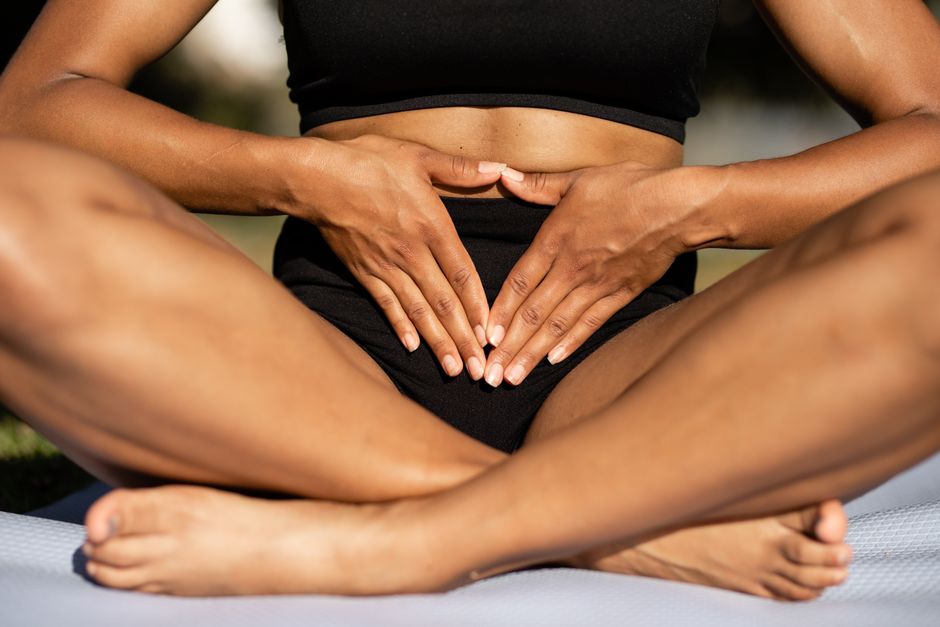
If you feel the urge to go but nothing happens when you try, you are dealing with a stool that has become hard and dry, or a rectum that has not yet signaled it is ready. The most reliable first steps are to drink water, sit on the toilet with your feet on a low stool, and give yourself five to ten minutes of unhurried time without straining. If that does not work, an over-the-counter osmotic laxative or a glycerin suppository can soften or lubricate the stool sitting near the exit. What you should not do is push hard for a long time. Forceful straining is how hemorrhoids and anal tears happen.
Why Does Poop Get Stuck In The First Place?
Stool is roughly three-quarters water when it leaves the body. The colon’s main job in the final stretch is to pull water back out. If stool sits in the colon longer than usual, more water gets absorbed and what remains gets harder, smaller, and harder to move. That is the core mechanism behind most backed-up situations.
Several things slow that transit down:
- Not enough fluid. The colon can only leave water in the stool if there is water to spare.
- Low fiber intake. Fiber holds water and adds bulk, which gives the colon something to push against.
- Certain medications. Opioid pain relievers, some antidepressants, iron supplements, and calcium channel blockers for blood pressure are well-documented causes of constipation.
- Ignoring the urge. The body sends a signal when stool enters the rectum. If you suppress it repeatedly, that signal can fade.
- Pelvic floor problems. In some people the muscles that should relax during a bowel movement tighten instead. This is called dyssynergic defecation, and it is more common than many people realize.
One detail worth knowing: the rectum is usually empty. It fills when a mass movement pushes stool down from the sigmoid colon. That is what creates the urge. If you sit and nothing comes, the stool may still be higher up, or the signal may have passed.
What Can You Do Right Now To Get Things Moving?
Start with position and time, because those cost nothing and often work. Sit with your knees higher than your hips. A small footstool or a stack of books under your feet gets you into a squat-like posture. In that position the puborectalis muscle, which loops around the rectum and keeps it angled shut, relaxes. The angle between rectum and anal canal straightens, and stool can pass more easily.
Then give it time. Five to ten minutes is reasonable. Sit after a meal if you can, because eating triggers a reflex that pushes stool toward the rectum. Do not scroll on your phone for half an hour. Long sitting with straining is what causes problems.
If position and time are not enough, these options are commonly used:
- Water. Drink a full glass. It will not work instantly, but dehydration makes hard stool worse.
- A glycerin suppository. This draws water into the stool and irritates the rectum slightly to trigger a urge. It works within minutes to about an hour for stool that is already low in the rectum. It does not help stool that is higher up.
- A bisacodyl suppository. This stimulates the colon to contract. It typically works within 15 to 60 minutes.
- An osmotic laxative such as polyethylene glycol. This pulls water into the colon. It is gentler and better for ongoing use than stimulant laxatives, but it takes hours to a day or more to work, so it is not a quick fix.
Do not reach for a stimulant laxative pill every time you feel blocked. Used occasionally they are fine. Used daily they can lead to dependence and electrolyte problems. If you find yourself needing them regularly, that is a sign to talk to a clinician about the underlying cause.
What About Enemas And Manual Help?
An enema delivers fluid directly into the rectum and lower colon to soften and flush stool. A small saline enema can work within minutes. These are sold over the counter and are generally used for short-term relief.
Enemas are not something to use often. Regular use can irritate the rectum, disturb electrolytes, and train the colon to rely on external help. If you have heart or kidney disease, ask a clinician before using one, because sodium absorption matters.
Manual removal — using a gloved finger to break up and remove stool — is a real technique, but it is usually done in a clinical setting or by someone trained to do it. It is not something most people should attempt on their own without guidance. If stool is so hard and impacted that nothing else works, that is a reason to seek care, not to keep trying at home.




When Is Being Unable To Poop A Medical Emergency?
Constipation is common and usually not dangerous. But a few situations need urgent attention, and it is important to know the difference.
Seek emergency care if you have:
- Severe abdominal pain, especially pain that comes in waves or makes you double over
- Vomiting, particularly if you cannot keep fluids down
- A swollen, hard, tender belly
- No gas passing at all along with the inability to poop
- Blood in the stool that is dark, tarry, or large in amount
That combination of no stool and no gas, especially with pain and vomiting, can signal a bowel obstruction. This is a medical emergency. Do not wait it out.
Call a clinician sooner rather than later if constipation is new for you, has lasted more than a few weeks, or comes with unexplained weight loss, fever, or a change in stool shape that persists. New constipation in someone over 45 who has never had it before is worth a conversation with a doctor, because it can occasionally be the first sign of a colon problem.
How Do You Prevent This From Happening Again?
Prevention comes down to three things: water, fiber, and movement. None of them are exciting, and all of them are supported by consistent evidence.
Fluid. There is no single number that fits everyone, but pale yellow urine is a reasonable everyday check. If your urine is dark, you are likely underhydrated.
Fiber. Most adults in the US do not get enough. The general recommendation is around 25 grams per day for women and 38 grams for men, though needs vary. Increase fiber gradually. Jumping from low fiber to high fiber overnight causes gas, bloating, and can temporarily make constipation worse if you do not also increase water.
Movement. Physical activity stimulates colon contractions. A daily walk helps. This is not a dramatic effect, but it is real and consistent across studies.
Two more things matter. First, do not ignore the urge when it comes. That signal is your body telling you the rectum has filled. Suppressing it repeatedly is one of the most common and most fixable causes of chronic constipation. Second, if you take a medication that lists constipation as a side effect and you are struggling, talk to your prescriber. Sometimes a dose change or an alternative helps.
Does Fiber Always Help?
No. This is one of the most misunderstood points about constipation. Fiber helps many people, but it is not a universal fix, and in some cases it makes things worse.
There are two main types. Soluble fiber, found in oats, beans, and psyllium, absorbs water and forms a gel. Insoluble fiber, found in wheat bran and vegetable skins, adds bulk. Both can help, but they work differently, and some people respond better to one than the other.
If you have slow transit constipation — where stool moves too slowly through the colon — adding a lot of insoluble fiber can create a larger, harder mass that is even more difficult to pass. If you have pelvic floor dysfunction, fiber does nothing for the muscle coordination problem.
If you have tried increasing fiber and water for several weeks and nothing has changed, the problem may not be diet. It may be motility or muscle coordination, and those need a different approach.
What If Nothing Works?
Chronic constipation that does not respond to lifestyle changes is a real medical condition, not a personal failure. There are several possibilities a clinician can evaluate.
Anorectal manometry tests how well the rectal and anal muscles work together. A balloon expulsion test checks whether you can pass a simulated stool. These are used to diagnose dyssynergic defecation, which affects a meaningful share of people with chronic constipation and is treated with biofeedback therapy rather than laxatives.
Colonic transit studies measure how quickly stool moves through the colon. Slow transit constipation is treated differently from pelvic floor problems.
Prescription options exist for chronic constipation, including medications that increase fluid secretion in the intestine or stimulate motility. These are not first-line for occasional trouble, but they are appropriate for some people with persistent symptoms.
The point is this: if you have been struggling for months and nothing you try at home works, the answer is not more willpower. It is an evaluation. The cause is often identifiable, and the treatment depends entirely on what is actually going wrong.
Frequently Asked Questions
How long is too long to go without pooping?
Most people have a bowel movement between three times a day and three times a week, so going a few days without one is not automatically a problem. If you have gone more than three or four days without a bowel movement and have pain, bloating, or vomiting, seek medical care.
Can I use a suppository every day?
Occasional use is fine, but daily use of stimulant suppositories can lead to dependence and irritation of the rectum. If you need one every day, that is a reason to see a clinician about the underlying cause.
Does coffee help you poop?
Coffee stimulates colon contractions in some people, and this effect has been observed in research, though it is not reliable for everyone. It is not a treatment for constipation, but it may help if you are already close to having a bowel movement.
Is it safe to push hard to get poop out?
Brief, gentle effort is normal, but prolonged hard straining raises pressure in the veins around the anus and can cause hemorrhoids and anal fissures. If you regularly need to strain hard, that is a sign to address the cause rather than push harder.
