
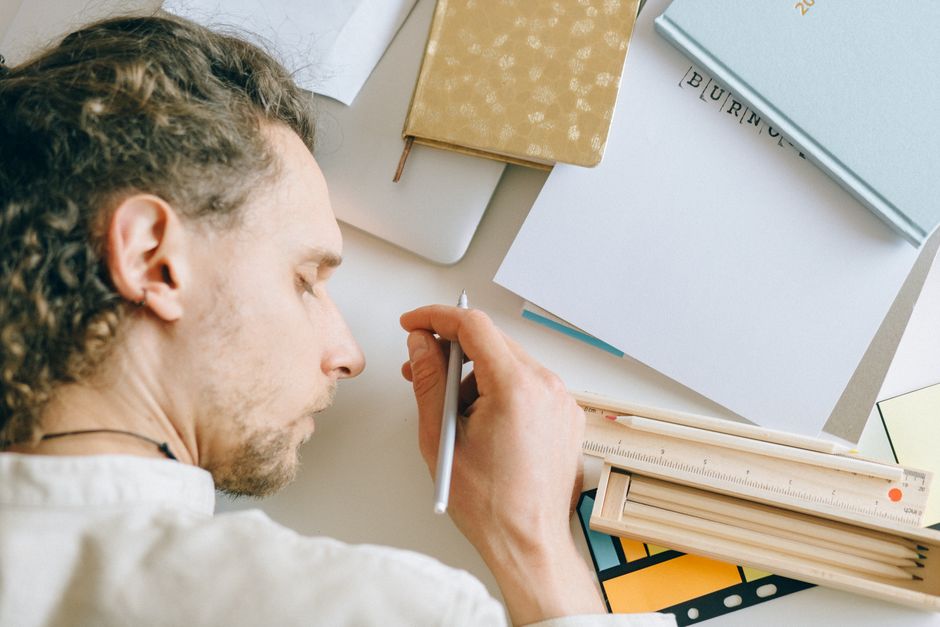
Falling asleep fast is rarely about trying harder. It is about working with your body’s natural sleep system, not against it. The most effective way to get tired for bed is to align your evening routine with your circadian rhythm, manage light exposure correctly, and lower your physical and mental arousal before your head hits the pillow. These are not vague wellness tips—they are based on how your brain and body actually regulate sleep.
What Actually Makes You Feel Sleepy?
Two main systems control when you feel tired. The first is your circadian rhythm, a roughly 24-hour internal clock that tells your body when to be alert and when to rest. The second is sleep pressure, the build-up of a chemical called adenosine in your brain. The longer you are awake, the more adenosine accumulates, and the sleepier you feel.
These two systems work together. When your circadian rhythm starts to dip in the evening and your adenosine levels are high, you feel naturally tired. If you are not tired at bedtime, one of these systems is likely out of sync. You may have napped too late, slept in too long, or exposed yourself to light that told your brain it was still daytime.
Understanding this matters because it explains why certain habits work. You cannot force sleep. You can only create the conditions where sleep is likely to happen.
How Light Exposure Controls Your Sleep Drive
Light is the strongest signal your brain uses to set the internal clock. Special cells in your retina detect light and send signals to the suprachiasmatic nucleus, the master clock in your brain. Bright light in the morning tells your body to stop producing melatonin and raises your alertness. Darkness in the evening does the opposite.
The problem for most people is evening light. Artificial light, especially the blue-rich light from phones, tablets, and televisions, can trick your brain into thinking the sun is still up. This delays the rise of melatonin, the hormone that helps you feel sleepy. Research consistently shows that evening screen use is linked to later sleep onset and poorer sleep quality.
To get tired for bed, dim your lights in the hour before sleep. Use lamps instead of overhead lights. If you use a screen, lower the brightness and keep it at arm’s length. Even better, switch to a non-screen activity like reading a physical book or listening to an audiobook. The goal is to signal to your brain that the day is ending.
Why Your Bedtime Routine Needs To Be Predictable
Your brain likes patterns. When you repeat the same sequence of actions before bed each night, your brain starts to associate those actions with sleep. This is called behavioral conditioning, and it is one of the most reliable ways to feel sleepy at a set time.
A good wind-down routine does not need to be long. Thirty to sixty minutes is enough. The key is consistency. Do the same things in the same order each night. This might include changing into pajamas, brushing your teeth, doing a few gentle stretches, and reading for a short time. The routine itself becomes a cue that sleep is coming.
Keep the routine calming. Avoid work emails, heated conversations, or intense exercise in this window. These activities raise your heart rate and stress hormones, which work against the calm your brain needs. If your mind races at night, include a short period of quiet reflection earlier in the evening, not in bed.





What To Do If You Are Not Tired At Bedtime
Sometimes you do everything right and still feel wide awake. If you are not sleepy, do not force it. Lying in bed awake for more than twenty minutes trains your brain to associate the bed with wakefulness, not sleep. This is a core principle of cognitive behavioral therapy for insomnia, the first-line treatment for chronic sleep problems.
If you are not tired, get out of bed. Go to another room, keep the lights low, and do something quiet and boring. Read a book, fold laundry, or listen to calm music. Avoid screens and avoid checking the clock. Return to bed only when you feel sleepy. This may feel counterintuitive, but it strengthens the connection between your bed and sleep.
This approach also explains why staying in bed to “rest” can backfire. Rest is not sleep. If you spend an hour lying awake, you are rehearsing wakefulness in bed. Over time, this can turn into conditioned arousal, where your body is alert the moment you lie down.
How Body Temperature Affects Falling Asleep
Your core body temperature naturally drops in the evening, and this drop helps trigger sleep. You can support this process with simple habits. A warm bath or shower one to two hours before bed causes blood to move to your skin’s surface. This releases heat from your core, and your body temperature then falls. This is why a warm bath can make you feel sleepy afterward, even though it seems like it should wake you up.
Your bedroom temperature also matters. Most sleep experts recommend a cool room, generally in the low 60s to mid-60s Fahrenheit. A cooler room supports the natural drop in core temperature that sleep requires. If you wake up during the night feeling hot, consider lighter bedding or adjusting the thermostat.
Eating and Drinking Habits That Impact Sleepiness
What you consume in the hours before bed can either help or harm your ability to fall asleep. Caffeine is the most common culprit. It blocks adenosine receptors in the brain, which is exactly why it keeps you awake. Caffeine has a long half-life, meaning it stays in your system for hours. Some research suggests that caffeine consumed even six hours before bedtime can disrupt sleep.
Alcohol is another factor. It may make you feel drowsy initially, but it fragments sleep in the second half of the night. You may fall asleep faster but wake up more often and feel less rested. Alcohol also suppresses REM sleep, which is important for memory and emotional processing.
A heavy meal close to bedtime can also interfere. Digestion raises your core temperature and can cause discomfort that keeps you awake. If you are hungry before bed, a small snack with complex carbohydrates and protein is generally a better choice than a large meal. Avoid spicy or acidic foods if they cause heartburn.
Exercise Timing and Its Effect on Sleep
Regular exercise is one of the best things you can do for sleep quality. Studies consistently show that people who exercise regularly fall asleep faster and sleep more deeply. The timing matters less than the consistency, but vigorous exercise too close to bed can be problematic for some people.
Exercise raises your core temperature, heart rate, and adrenaline. For most people, this returns to normal within a few hours. If you exercise in the late evening and feel wired afterward, move your workout earlier in the day. Morning or afternoon exercise may be better for you. If evening exercise is your only option, finish at least a few hours before bed and include a cool-down period.
When To Consider a Consistent Wake Time
One of the most powerful tools for getting tired at bedtime is not in the evening at all. It is your wake time. Waking up at the same time every day, including weekends, anchors your circadian rhythm. This consistency builds sleep pressure at the right time of day, making it easier to fall asleep at night.
Sleeping in on weekends can shift your internal clock. If you wake up two hours later on Saturday and Sunday, your body’s sleep signal will also shift later on Sunday night. This is often called social jetlag. It makes Monday mornings harder and sets you up for a week of struggling to fall asleep.
Practical Steps To Get Tired For Bed Tonight
If you want to feel sleepy at your target bedtime tonight, start now. Dim the lights in your home as the evening progresses. Put your phone away or switch it to grayscale mode at least thirty minutes before bed. Take a warm shower or bath. Keep your bedroom cool and dark. Do the same wind-down routine in the same order.
If you still feel wide awake after twenty minutes in bed, get up and do something quiet until you feel sleepy. Do not scroll, do not check email, and do not watch stimulating content. Then return to bed and try again. These steps work because they address the actual mechanisms of sleep, not just the symptoms of sleeplessness.
Frequently Asked Questions
How can I make myself sleepy before bed?
Dim your lights, avoid screens, and do the same calming routine in the same order each night. A warm shower one to two hours before bed can also help by lowering your core temperature afterward.
What should I do if I can’t fall asleep after 20 minutes?
Get out of bed and do something quiet and boring in low light until you feel sleepy. This prevents your brain from associating the bed with wakefulness.
Does exercise in the evening keep you awake?
For some people, vigorous exercise too close to bedtime raises heart rate and core temperature, making sleep harder. If this happens to you, finish workouts at least a few hours before bed.
How long before bed should I stop using my phone?
Stop using screens at least thirty minutes before bed, and ideally an hour. The blue light from screens delays melatonin production and makes it harder to feel sleepy.
