
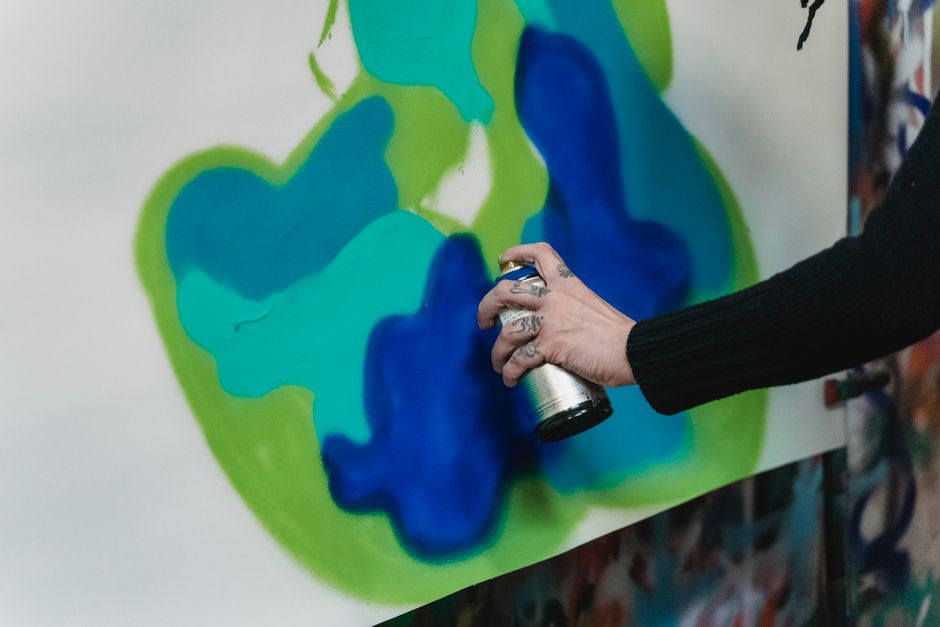
Spray paint on your hands is a common problem. Whether you are finishing a DIY project or touching up furniture, paint on skin seems unavoidable. The good news is that most spray paint comes off with the right technique. You do not need harsh chemicals or painful scrubbing. The key is to act quickly and use the right products. Here is exactly how to get spray paint off your hands without damaging your skin.
Why Spray Paint Sticks To Skin So Well
Spray paint is designed to adhere to surfaces. It contains resins and binders that create a durable film once dry. Your skin is not a perfect surface, but it does have natural oils and tiny ridges. The paint grips these microscopic textures.
Most spray paints are either oil-based or water-based. Oil-based paints are harder to remove because they bond with the oils on your skin. Water-based acrylic sprays are easier. They break down with soap and water if you catch them early.
Once the paint dries, it forms a plastic-like layer. This layer is water-resistant. That is why plain soap and water often fail. You need something that breaks down the resin or lifts the paint film away from the skin.
What To Do Immediately After Getting Paint On Your Hands
Time matters. Wet paint is much easier to remove than dry paint. If you notice paint on your hands, stop what you are doing and wash them right away.
Start with warm water and dish soap. Dish soap is designed to cut grease. It works well on oil-based paints. Lather your hands thoroughly for at least 30 seconds. Rinse and repeat if needed.
If the paint is still wet, this simple method often works. Do not use hot water. Hot water can open your pores and push the paint deeper into your skin. Warm water is the right choice.
The Best Household Products For Removing Spray Paint
Several common household items can remove spray paint from skin. Each works differently. Some break down the paint chemically. Others gently lift the paint film off.
Here are the most effective options ranked by how well they work:
- Cooking oil or olive oil. Oil dissolves oil. Rub a generous amount over the painted area for one to two minutes. The paint should soften and slide off. Then wash with dish soap to remove the oil.
- Hand sanitizer. The alcohol in hand sanitizer breaks down many paint resins. Apply a large amount and rub your hands together. Add more as it dries. Rinse with warm water.
- Baby oil or mineral oil. These are gentler than cooking oil but work similarly. Massage into the skin until the paint lifts. Wash afterward.
- Nail polish remover with acetone. This is the strongest household option. Acetone dissolves most dried paints quickly. Use it sparingly. It dries out the skin and can cause irritation.
- Toothpaste. White toothpaste acts as a mild abrasive. Rub it into the paint in circular motions. Rinse and repeat. This works best on small spots of dried paint.
Start with the gentlest option first. Only move to acetone if gentler methods fail. Your skin barrier matters. Harsh scrubbing can cause micro-tears and irritation.




How To Use Solvents Safely On Your Skin
Solvents like acetone and mineral spirits are effective. They are also harsh. Using them correctly reduces the risk of skin damage.
Always test a small area first. Apply a tiny amount of solvent to an inconspicuous spot on your hand. Wait five minutes. If you see redness or feel burning, do not use it on larger areas.
Work in a well-ventilated area. Solvent fumes can cause headaches or dizziness. Open a window or work outside.
Do not soak your hands in solvent. Apply it to a cotton ball or cloth and dab the painted area. Rinse your hands with warm soapy water immediately after the paint is gone. Follow with a moisturizer to restore the skin barrier.
Avoid solvents if you have open cuts, eczema, or sensitive skin. The solvent will sting and can worsen these conditions. Use oil-based methods instead.
Why You Should Avoid Paint Thinner And Harsh Chemicals
Paint thinner is a common suggestion. It is also a bad one for skin contact. Paint thinner contains strong solvents that strip the natural oils from your skin. This can cause chemical burns with prolonged exposure.
Some people use gasoline or kerosene to remove paint. This is dangerous. These fuels are absorbed through the skin and can cause serious health problems. They also leave a flammable residue. Never use fuel products on your skin.
Industrial paint removers are designed for surfaces, not skin. They often contain caustic ingredients like lye or methylene chloride. These can cause severe burns and tissue damage.
The safest approach is to use products made for skin or gentle household alternatives. If a product label says it causes skin irritation, it is not meant for your hands.
How To Remove Dried Spray Paint From Skin
Dried paint is more stubborn. It has fully cured and formed a tough film. You need a different approach.
Soak your hands in warm soapy water for five to ten minutes. This softens the paint and the skin. Pat your hands dry but do not rub.
Apply a generous layer of oil or petroleum jelly to the painted area. Let it sit for five minutes. The oil penetrates the paint film and loosens its grip on the skin.
Gently rub the area with a soft cloth or your fingers. The paint should start to peel or roll off. Do not pick at the paint with your fingernails. This can tear the skin underneath.
For very stubborn spots, use an abrasive like baking soda mixed with water into a paste. Rub gently in circles. Rinse and repeat. This physically wears away the paint without harsh chemicals.
Natural And Gentle Alternatives That Actually Work
Not everyone wants to use solvents. Natural options exist and they work for most spray paints.
Coconut oil is a solid choice. It is thick and stays on the skin. Massage it into the painted area for two to three minutes. The paint softens and lifts away.
Mayonnaise is surprisingly effective. It contains oils and vinegar. The vinegar helps break down some paint resins. Apply a thick layer and let it sit for five minutes. Wipe off with a cloth.
Aloe vera gel can help with water-based acrylic paints. It does not dissolve the paint but helps lift it gently. Combine it with a soft cloth and gentle rubbing.
These natural options take longer than solvents. They also require more rubbing. But they are much gentler on your skin and have no fume risks.
How To Prevent Spray Paint From Sticking To Your Hands
Prevention is always better than removal. A few simple steps keep paint off your skin in the first place.
Wear nitrile gloves. Latex gloves work too. These create a barrier between the paint and your skin. They are inexpensive and available at most hardware stores.
Apply a barrier cream before painting. These creams create a protective layer on the skin. When you are done, wash your hands and the cream comes off with the paint.
Use petroleum jelly on your hands before starting. Rub a thin layer over the backs of your hands and between your fingers. The paint will not bond to the jelly. After painting, wipe off the jelly with a paper towel.
Keep a small container of cooking oil near your workspace. If you get paint on your hands, apply it immediately. Early intervention makes removal much easier.
What Not To Do When Removing Spray Paint
Some methods cause more harm than good. Avoid these common mistakes.
Do not use bleach. Bleach does not dissolve paint. It can cause chemical burns and skin irritation. It also damages the skin barrier significantly.
Do not scrub with steel wool or abrasive pads meant for dishes. These scratch the skin and can introduce bacteria. Use a soft cloth or your fingers.
Do not use hot water. Hot water opens pores and can drive paint deeper into the skin. It also strips natural oils, leaving your hands dry and cracked.
Do not peel or pick at dried paint. This removes the top layer of skin along with the paint. It can lead to bleeding, infection, and scarring.
Do not ignore signs of irritation. If your skin turns red, swells, or burns, stop what you are doing. Wash your hands with mild soap and water. Apply a soothing moisturizer.
When To See A Doctor About Paint On Your Skin
Most spray paint on skin is harmless. It comes off within minutes or hours. But there are situations where medical attention is needed.
Seek medical care if you experience severe burning, blistering, or swelling after paint exposure. These may indicate a chemical burn or an allergic reaction.
If paint gets in your eyes, flush with water immediately and seek emergency care. Do not rub your eyes. Do not attempt to remove the paint yourself.
If you swallow paint or inhale large amounts of fumes, call poison control or seek emergency treatment. Symptoms include nausea, dizziness, headache, or difficulty breathing.
If a rash develops after paint removal, see a doctor. This could be contact dermatitis or an allergic reaction to the paint or the remover you used.
Frequently Asked Questions
Does rubbing alcohol remove spray paint from skin?
Yes, rubbing alcohol breaks down most spray paint resins and works well on dried paint. Apply it to a cotton ball and rub gently until the paint lifts.
Is nail polish remover safe for removing paint from hands?
Acetone nail polish remover is effective but harsh on skin. Use it sparingly, rinse thoroughly afterward, and apply moisturizer to prevent dryness.
How long does it take for spray paint to come off skin naturally?
Spray paint will naturally wear off within a few days as your skin sheds dead cells. Regular hand washing and moisturizing speeds up the process.
Can I use cooking oil to remove spray paint from my hands?
Yes, cooking oil dissolves the binders in most spray paints. Massage it into the painted area for a few minutes, then wash with dish soap.
