
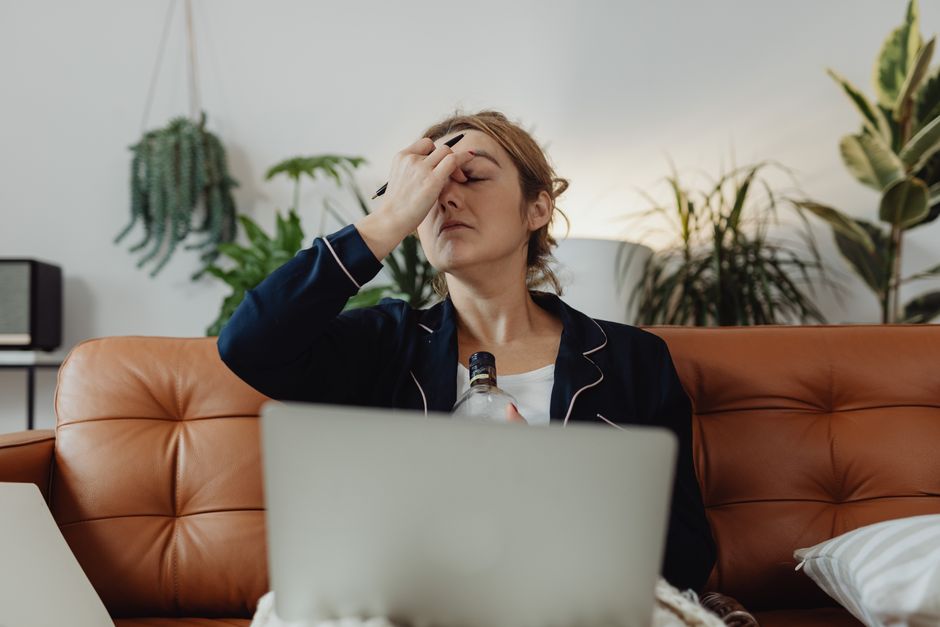
Getting sober from alcohol is a process that starts with a single decision and continues with daily choices. The safest path involves medical supervision for withdrawal, a clear plan for the first days, and a long-term strategy that addresses why you drank in the first place. It is not about willpower alone. It is about using the right tools, support, and medical knowledge to make sobriety stick.
What Happens To Your Body When You Stop Drinking
Alcohol affects nearly every system in your body. When you stop, your body needs time to adjust. The brain has gotten used to alcohol’s calming effect on certain receptors. When the alcohol is removed, those receptors can become overactive.
This is why withdrawal symptoms happen. They are not a sign of weakness. They are a physical response to a chemical change. Symptoms can start within hours of your last drink. For some people, they are mild. For others, they can be dangerous.
Common early symptoms include anxiety, sweating, nausea, and trouble sleeping. Your heart rate may go up. Your hands may shake. These symptoms typically peak within the first 24 to 72 hours. This is the most critical window for safety.
Your liver also needs time to recover. Fatty liver changes can begin to reverse within weeks of sobriety. More serious liver damage takes longer and may not fully reverse. The body is remarkably resilient, but it needs time and continued abstinence to heal.
How To Detox From Alcohol Safely At Home
Mild withdrawal can sometimes be managed at home, but you need to know the warning signs of a serious problem. If you have drunk heavily for weeks, months, or years, do not stop cold turkey without talking to a doctor first.
Sudden withdrawal can trigger seizures, hallucinations, or a condition called delirium tremens. This is a medical emergency. It can be fatal. Do not take this risk lightly.
If you and your doctor decide home detox is appropriate, set yourself up for success. Remove all alcohol from your home. Have a trusted friend or family member stay with you for the first few days. They can monitor your symptoms and call for help if things get worse.
Stay hydrated. Alcohol causes dehydration, and your body needs fluids to recover. Eat small, regular meals even if you do not feel hungry. Low blood sugar can make withdrawal symptoms feel worse.
Rest as much as you can. Your body is doing hard work. Do not plan to work, drive, or take on responsibilities during the first few days. This is a medical event, not a casual break.
When To Seek Medical Help For Alcohol Withdrawal
Medical supervision is the safest option for anyone who has been drinking heavily for a long time. If you are unsure whether you need medical help, err on the side of caution.
Seek immediate medical attention if you have any of these symptoms: severe confusion, fever, rapid heart rate, seizures, or hallucinations. These are signs of severe withdrawal and require emergency care.
Doctors can prescribe medications that reduce withdrawal symptoms and prevent complications. Benzodiazepines are commonly used in medically supervised detox. They calm the nervous system and reduce the risk of seizures.
You do not need to be in a hospital for every detox. Some programs offer outpatient detox with daily check-ins. Others provide residential detox where you stay overnight. A doctor can help you decide which level of care is right for you.
Be honest with your doctor about how much you drink. This is not a time for embarrassment. Your safety depends on accurate information. If you are worried about withdrawal, say so directly.





What Is The Best Way To Stay Sober Long Term
Detox is only the first step. It gets the alcohol out of your system. Staying sober requires addressing the reasons you drank in the first place.
Research consistently shows that combining medical treatment with behavioral support gives the best chance of long-term sobriety. This might include counseling, support groups, or medications that reduce cravings.
Support groups like Alcoholics Anonymous have helped millions of people. They provide community, accountability, and a structured path forward. Other options include SMART Recovery, which focuses on building motivation and managing urges through cognitive-behavioral techniques.
Individual therapy can help you understand your drinking patterns. A therapist can help you identify triggers—people, places, or emotions that make you want to drink. Once you know your triggers, you can build a plan to manage them.
Some people benefit from medications prescribed by a doctor. These medications can reduce cravings or make drinking less rewarding. They are not a cure, but they can be a useful tool. Talk to your doctor about whether medication-assisted treatment is right for you.
How To Handle Cravings Without Relapsing
Cravings are a normal part of early sobriety. They are intense, uncomfortable, and temporary. A craving typically peaks within 15 to 30 minutes and then fades. You do not need to fight it. You need to ride it out.
Have a plan ready for when a craving hits. Go for a walk. Call a friend. Drink a glass of water. Do something that keeps your hands busy. The goal is to get through the next few minutes without drinking.
Change your routine. If you always drank at a certain bar, do not go there. If you drank to unwind after work, find a new way to decompress. Exercise, cooking, or a hobby can fill the space that alcohol used to occupy.
Be honest with the people around you. Tell close friends and family that you are not drinking. Ask them to support you by not offering you alcohol. This removes a common source of pressure.
If you do relapse, do not give up. A relapse is not a failure. It is information. Look at what led to it, learn from it, and get back on track. Many people who eventually achieve long-term sobriety have had a relapse along the way.
How To Get Sober From Alcohol Safely And Stay That Way
The safe path to sobriety has three parts: medical safety, behavioral support, and daily practice. You need all three to give yourself the best chance.
Start with safety. Talk to a doctor before you stop drinking if you have been a heavy drinker. Follow their advice about how to manage withdrawal. Do not try to detox alone if you are at risk for severe symptoms.
Build your support system. This could be a therapist, a support group, or a trusted friend. You do not have to do this alone. People who have social support are more likely to maintain sobriety.
Then, practice sobriety one day at a time. Create routines that do not involve alcohol. Learn to manage stress without drinking. Be patient with yourself. The first weeks are the hardest, and they get easier with time.
Remember that sobriety is not about deprivation. It is about reclaiming your health, your relationships, and your future. The benefits of quitting alcohol are well documented: better sleep, improved mood, lower blood pressure, and reduced risk of liver disease and certain cancers.
Frequently Asked Questions
How long does alcohol withdrawal last?
Most withdrawal symptoms begin within 8 hours of the last drink and peak within 24 to 72 hours. Some symptoms like anxiety and sleep problems can last for weeks or months.
Can you detox from alcohol at home?
Mild withdrawal can sometimes be managed at home with medical supervision, but heavy drinkers should not stop suddenly without a doctor’s guidance. Severe withdrawal can cause seizures and can be life-threatening.
What medications help with alcohol cravings?
Doctors can prescribe medications like naltrexone, acamprosate, or disulfiram to reduce cravings or discourage drinking. These are most effective when combined with counseling or support groups.
How long does it take to feel normal after quitting alcohol?
Acute withdrawal usually resolves within a week, but it can take months for your brain chemistry to fully adjust. Many people notice improved energy, sleep, and mood within the first month.
