
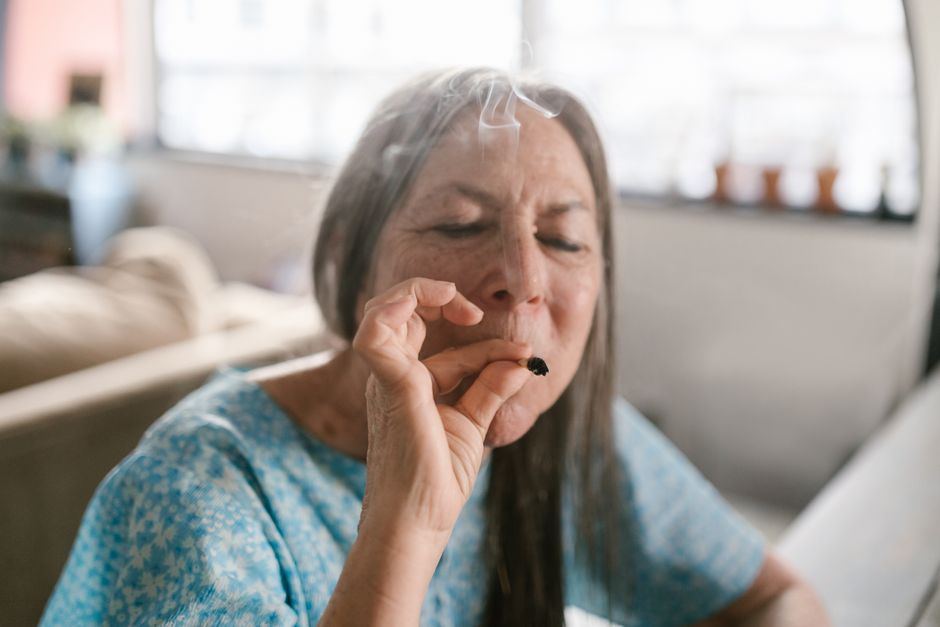
Smoke odor clings to more than the air. It settles into fabrics, walls, and even the paint. Getting it out takes more than opening a window. You need to target the source, clean the surfaces, and neutralize the smell at the chemical level. Start with ventilation, then wash everything porous, and finish with an odor absorber. That sequence is what actually works.
Why Does Smoke Smell Linger So Long?
Smoke is not just a gas. It is a mix of tiny solid particles and chemical compounds. When you smoke indoors, these particles attach to surfaces. They embed in drywall, wood, carpet fibers, and upholstery. The smell re-emits from these surfaces for months after the smoke is gone.
The main culprits are compounds called phenols and tar. These are sticky. They cling to porous materials and resist simple cleaning. That is why a quick wipe-down rarely solves the problem. The odor keeps returning because the residue is still there.
This is also why smoke odor gets worse in heat or humidity. Warm air makes the chemical compounds release from surfaces faster. If you turn on the heat and the smell returns, that is the residue re-activating.
What Is the First Step to Remove Smoke Smell?
Ventilation is the first move, but it only handles the airborne part. Open every window you can. Use fans to push air out of the house and pull fresh air in. Cross-ventilation works best — open windows on opposite sides of the room or house.
Run this for several hours if possible. Air movement helps clear the suspended particles. It does not remove the residue already settled on surfaces. Think of ventilation as the first pass, not the full solution.
If you have an HVAC system, change the filter. Smoke particles clog filters quickly. A fresh filter will help prevent the system from recirculating old odor. Some people run the system fan continuously during this phase to keep air moving.
How Do You Clean Walls and Ceilings?
Walls and ceilings are the largest surface area in any room. They hold a surprising amount of smoke residue. Washing them is tedious but necessary.
Use a mixture of warm water and a mild detergent. Some people add white vinegar or baking soda. A sponge or microfiber cloth works well. Work from the top down so dirty water does not streak clean areas below.
Pay attention to corners and edges. Residue collects there. If the walls are painted with flat or matte finish, be careful. Aggressive scrubbing can remove the paint. Test a small hidden area first.
For heavy smoke damage, you may need a specialized cleaning product. Look for degreasers designed for smoke residue. These break down the tar and phenols more effectively than general-purpose cleaners.




What About Carpets, Rugs, and Upholstery?
Fabrics are sponges for smoke. Carpet, rugs, curtains, and upholstered furniture absorb the odor deeply. This is often where the smell lives longest.
Baking soda is a practical first step for carpets and rugs. Sprinkle it generously over the surface. Let it sit for several hours — overnight is better. Vacuum thoroughly. Baking soda absorbs odors but does not eliminate heavy residue.
For deeper cleaning, a steam cleaner or hot water extraction machine works better. The heat and moisture help release trapped particles. Rental machines are available at most grocery and hardware stores. You may need to run the machine several times for heavy smoke.
Curtains and drapes should be washed if the fabric allows it. Check the care label first. Upholstered furniture is harder. A professional cleaning service may be the most reliable option for couches and chairs.
Do Air Purifiers Actually Help?
Air purifiers can help, but they are not a complete fix. They clean the air while running. They do nothing for the residue sitting on your walls and furniture.
If you buy one, look for a HEPA filter. HEPA filters capture small particles, including smoke particles. Some purifiers also have activated carbon filters, which absorb odors and gases. Carbon is the component that actually tackles the smell, not just the particles.
Place the purifier in the room where the odor is strongest. Run it continuously for several days. Keep windows closed while it runs, otherwise you are filtering outdoor air instead of indoor air.
An air purifier is a useful tool, but it works alongside cleaning — not instead of it. If the residue stays on surfaces, the smell will return when the purifier is off.
How To Get Smoke Odor Out Of House With Natural Absorbers
Baking soda and activated charcoal are the two most reliable natural odor absorbers. Both work by trapping odor molecules, but they work differently.
Baking soda neutralizes odors through a mild chemical reaction. It works best on surfaces you can sprinkle directly — carpets, rugs, upholstery. You can also place open boxes of baking soda in rooms. They absorb ambient odors but work slowly. Expect to wait days, not hours.
Activated charcoal is more effective for room-sized spaces. It has a massive surface area that traps odor molecules. You can buy charcoal bags or loose charcoal in open containers. Place them in corners, closets, and near the source of the smell.
Neither baking soda nor charcoal removes the residue. They manage the odor while the residue remains. For a permanent fix, you still need to clean the surfaces.
White vinegar is another common option. Place bowls of vinegar around the room. The vinegar smell fades as it evaporates, and it can help neutralize smoke odor. The vinegar smell disappears within a day or two, but the smoke smell may take longer to fade.
When Should You Call a Professional?
Some smoke situations are beyond DIY cleaning. Professional restoration companies have equipment that most homeowners do not. They use industrial-grade ozone generators, thermal foggers, and specialized cleaning agents.
Call a professional if the smoke came from a house fire, even a small one. Fire smoke is different from cigarette smoke. It contains more toxic compounds and can penetrate deeper into building materials.
Also call a professional if the odor persists after you have cleaned walls, fabrics, and carpets. If you can still smell smoke after a full DIY treatment, the residue has likely penetrated the drywall or subfloor. That requires professional intervention.
Ozone generators are an option some professionals use. They produce ozone gas, which reacts with and breaks down odor molecules. Ozone is harmful to breathe, so the house must be empty during treatment. This is not a DIY job. Improper use can damage lungs and leave the house unsafe.
How Long Does It Take to Remove Smoke Odor?
There is no fixed timeline. It depends on how long the smoke exposure lasted, what materials absorbed it, and how thoroughly you clean.
Light smoke from a few cigarettes in a well-ventilated room may clear in a few days of cleaning. Heavy smoke from years of indoor smoking can take weeks. Professional treatment may be faster, but even that is not instant.
Be patient. The smell often fades gradually rather than disappearing all at once. If you clean everything and the odor lingers, it is still in the structure. You may need to repeat treatments or bring in professionals.
Frequently Asked Questions
Does baking soda really remove smoke smell?
Yes, baking soda absorbs odors when left on surfaces for several hours. It works best on carpets and fabrics but does not remove the residue underneath.
Can smoke smell in a house be permanent?
Smoke smell can last for years if the residue is not removed. Deep cleaning or professional treatment can usually eliminate it, but heavy smoke damage may require replacing drywall or carpet.
Is an air purifier enough to get rid of smoke odor?
No, an air purifier only cleans the air while it runs. It does not remove the smoke residue on walls, furniture, and floors, so the smell returns when the purifier is off.
Does vinegar neutralize smoke odor?
Vinegar can help neutralize smoke odor when placed in open bowls around a room. The vinegar smell fades as it evaporates, but vinegar alone will not remove heavy residue.
