
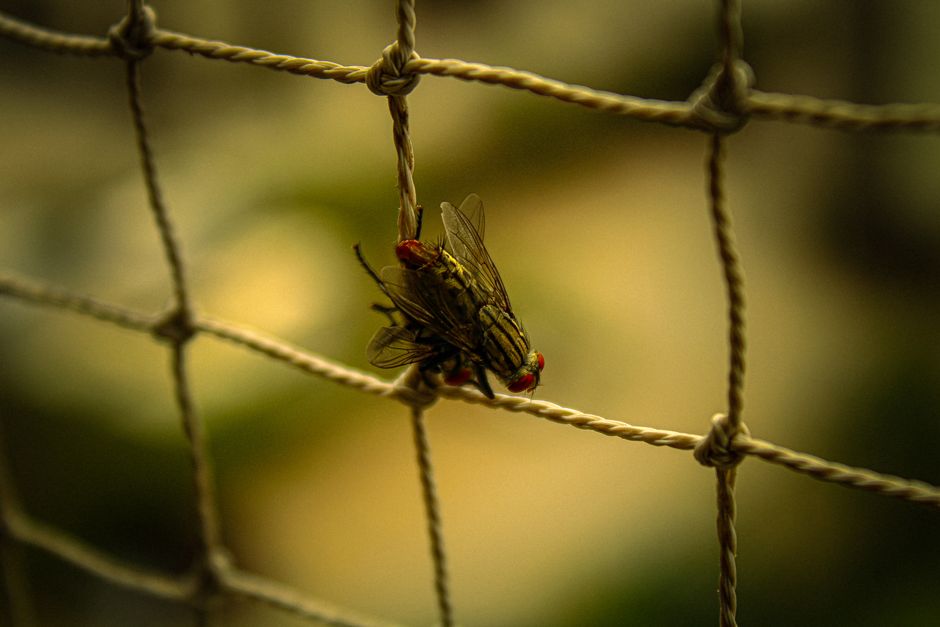
Finding dead flies on your windowsills, floors, and countertops is a common and puzzling household issue. The short answer is that flies are dying inside your home because they have entered seeking warmth, food, or shelter, and they are either reaching the end of their short natural life cycle or succumbing to the dry indoor air and lack of food sources. To stop this cycle, you must locate and remove the breeding source, seal entry points, and use proven control methods to break the flies’ life cycle inside your living space.
Why Are Flies Dying In My House And How To Stop It?
Flies that die indoors usually fall into one of two categories: they are either new flies that hatched inside from eggs laid in a food source, or they are outdoor flies that wandered in and died from dehydration or starvation. The most common culprit is the cluster fly or the common house fly. Cluster flies often enter homes in late summer and fall to find a warm place to overwinter. They can die in large numbers inside wall voids and attics, and their bodies eventually fall into living spaces through light fixtures, vents, and cracks.
House flies, on the other hand, have a very short adult lifespan of roughly 15 to 30 days. If they enter your home and cannot find food or moisture, they will die much faster. The indoor environment is typically far too dry for them. A fly that hatched indoors from a larval source, such as rotting produce or pet waste, will die right where it emerged once its brief life cycle ends.
Where Are These Flies Coming From?
Identifying the source is the single most important step. Flies do not spontaneously generate. If you are seeing a steady stream of dead flies, there is almost certainly an active breeding site somewhere in or very near your home.
Common indoor breeding sites include:
- Overripe fruit left on counters or in bowls
- Garbage cans with food residue or no tight lid
- Recycling bins with unrinsed bottles and cans
- Pet food bowls left out for extended periods
- Drains with organic buildup, especially in kitchens
- Houseplant soil that stays consistently damp
- Rodent droppings or a dead animal in a wall, attic, or crawlspace
If the flies are appearing in late summer or early autumn, especially in upstairs rooms or attic spaces, they are likely cluster flies. These are larger, slower-moving flies that enter through small gaps around windows, rooflines, and siding. They do not breed indoors. They simply seek shelter from cold weather. When indoor heat dries them out, they die.
How To Find The Breeding Source
Finding the source takes a little detective work. Start by checking the areas where you see the most dead flies. Flies rarely travel far from where they emerged. If they are concentrated in the kitchen, check the fruit bowl, trash can, and sink drain first. If they are in a bedroom or living room, look for houseplants with wet soil or any forgotten food item.
For flies appearing in large numbers near windows on upper floors, inspect the attic. Look for gaps in the roofline, unscreened vents, or openings around pipes. Cluster flies can enter through gaps as small as a quarter of an inch. If you cannot find an obvious entry point, look for a dead rodent. A mouse that died in a wall void will attract flies for several weeks until the carcass dries out completely. The smell may be faint or absent by the time you notice the flies.
One effective test is to place a small dish of vinegar with a drop of dish soap near the area with the most flies. The vinegar attracts them and the soap breaks the surface tension so they drown. This confirms the flies are active in that zone and helps you narrow down the search.





How To Stop Flies From Breeding Indoors
Eliminating the breeding source is the only way to stop the cycle permanently. Killing adult flies does nothing if new eggs are hatching every few days. A female house fly can lay up to 500 eggs in her lifetime, and those eggs can hatch into maggots within a day. The maggots mature into adult flies in as little as seven days under warm conditions.
Take these steps to remove breeding conditions:
- Take out trash daily and use a bin with a tight-fitting lid
- Rinse all recyclables before placing them in the bin
- Store fruit in the refrigerator or in sealed containers
- Clean up pet waste immediately and wash food bowls daily
- Pour boiling water down kitchen drains weekly to clear organic film
- Allow houseplant soil to dry between waterings
- Check under appliances for spilled food or dead pests
If you suspect a dead animal in a wall or attic, you may need to locate it by smell and have it removed. This is unpleasant but necessary. The flies will continue to emerge until the carcass is gone or completely dried out, which can take several weeks.
How To Keep Outdoor Flies From Entering
Once indoor breeding sources are eliminated, focus on keeping outdoor flies out. Flies enter through any opening they can find. Common entry points include gaps around windows and doors, unscreened vents, cracks in the foundation, and openings where utility lines enter the home.
Install or repair window screens and door sweeps. Check the bottom of garage doors and seal any gaps with weatherstripping. Caulk cracks around window frames and along the roofline. Ensure attic vents have fine mesh screening. These simple measures block both cluster flies and house flies.
Outdoor factors also matter. Keep garbage cans away from doors and keep them clean. Do not leave pet food outside. Remove standing water, which attracts flies and other pests. If you have fruit trees, pick up fallen fruit promptly. Compost bins should be covered and turned regularly.
Effective Ways To Kill Flies Already Inside
For flies already inside your home, several control methods work well. The choice depends on how many flies you are dealing with and whether you prefer chemical or non-chemical options.
Fly swatters are effective for occasional flies. They are simple, cheap, and avoid any chemical exposure. For larger numbers, sticky fly paper or ribbon traps are useful. Hang them away from food preparation areas. These traps catch flies passively and show you where the flies are concentrated.
Ultraviolet light traps are effective for indoor use. They attract flies with UV light and capture them on a sticky board inside the unit. These are commonly used in commercial kitchens and are available for home use. Place them near windows or in areas with high fly activity.
Insecticide sprays can kill flies on contact, but they do not address the source. Use them sparingly and follow the label instructions exactly. Never spray insecticides near food, dishes, or surfaces where food is prepared. Some sprays are designed for indoor use and others are not. Read the label carefully.
For cluster flies, the best approach is prevention. Once they are inside wall voids, they are difficult to reach. Insecticide treatments applied to exterior walls by a pest control professional can reduce entry in the fall. Interior treatments are less effective because the flies are already sheltered.
When To Call A Professional
Most fly problems resolve once you remove the breeding source. But some situations require professional help. If you have a dead animal in a wall or attic that you cannot access, a pest control company can locate and remove it. If flies are coming through vents or ducts, a professional can identify and seal the openings.
If you have a persistent infestation that returns every year, especially cluster flies, a professional can apply exterior barrier treatments in late summer before the flies attempt to enter. This is a preventive measure and must be timed correctly to be effective.
A professional can also identify the exact fly species, which matters for treatment. Different flies require different approaches. Cluster flies, drain flies, and fruit flies each have distinct life cycles and breeding sites. Treating the wrong species wastes time and money.
Frequently Asked Questions
Why do I keep finding dead flies on my windowsill?
Flies on windowsills are usually trying to escape and die from dehydration or starvation. The dry indoor air and lack of food kill them quickly once they are trapped inside.
How long does a fly infestation last?
An indoor fly infestation lasts as long as the breeding source remains. Once you remove the source, adult flies die off within a few weeks and no new flies emerge.
Can flies lay eggs in my house?
Yes, flies lay eggs in any suitable organic material, including rotting fruit, garbage, pet waste, and damp drains. The eggs hatch into maggots that mature into adult flies indoors.
Are flies in my house a health risk?
House flies can carry bacteria and pathogens from garbage and waste to food and surfaces. They are a potential health risk, especially in kitchens and around food preparation areas.
