
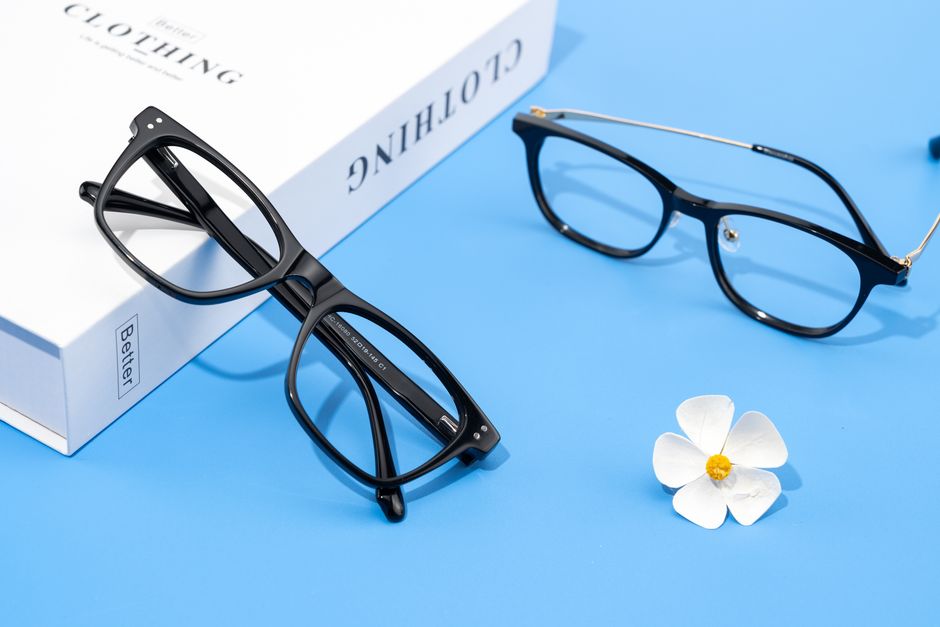
Scratched lenses are frustrating, but you don’t have to live with blurry vision. The only safe way to remove scratches from glass lenses is with a cerium oxide polishing kit, while plastic lenses often cannot be repaired at all. If the scratch affects your vision, replacing the lenses is the most reliable option.
Can Scratches Actually Be Removed From Glasses?
The short answer is: it depends on what your lenses are made of. Modern glasses are mostly made of plastic, polycarbonate, or Trivex materials. These are lightweight and impact-resistant, but they are soft. Scratching them is easy, and buffing them out is rarely possible without damaging the lens surface further.
Glass lenses are different. They are harder and more scratch-resistant, but they are also heavier and can shatter. Because glass is harder, you can often polish out surface scratches using a specialized abrasive compound. However, most people do not have glass lenses anymore.
Here is the critical fact: if your lenses have an anti-reflective or anti-scratch coating, polishing them will remove that coating. The result is often a lens that is more prone to glare and future scratching. You must accept this trade-off before you begin any DIY repair.
What Actually Causes Scratches On Glasses?
Understanding the cause helps you prevent the problem. Most scratches come from wiping dry lenses with a shirt, tissue, or paper towel. These fabrics pick up dust and grit, which act like sandpaper against the lens surface.
Placing glasses face-down on tables is another major culprit. The lenses touch the surface directly. Tiny particles of dirt or grit on the table grind into the lens the moment you set them down.
Heat is also a factor. Leaving glasses in a hot car can soften the lens material or the coatings. Softened materials scratch more easily. The same applies to washing lenses with hot water, which can damage coatings and make them brittle.
How To Get Scratches Out Of Glasses: Step By Step
If you have determined your lenses are glass and the scratch is shallow, you can attempt a polish. If you have plastic lenses, skip to the next section because this method will likely ruin them.
Here is the step-by-step process for glass lenses using a cerium oxide polishing compound:
- Clean the lenses. Rinse them with lukewarm water and a drop of dish soap. Dry them with a microfiber cloth. This removes any grit that could cause new scratches during polishing.
- Apply the polishing compound. Place a small amount of cerium oxide paste on a soft cotton pad or a felt polishing bit. Do not use a power drill unless you are experienced. Hand polishing is safer.
- Buff in a circular motion. Work the compound into the scratched area using gentle, consistent pressure. Continue for 2 to 3 minutes. The compound is abrasive and slowly wears down the surface around the scratch to match its depth.
- Rinse and inspect. Rinse the lens with water and dry it. Check the scratch under bright light. If it is still visible, repeat the process once more. Do not over-polish, as this can alter the lens curvature and affect your prescription.
- Clean thoroughly. Remove all residual compound from the lens edges and frame. Leftover abrasive can cause future scratching.
This method works only on uncoated glass lenses. If your lenses have any coating, polishing will strip it off. You will be left with clear lenses that lack UV protection and anti-reflective properties.




Why DIY Methods For Plastic Lenses Usually Fail
You will find viral videos and online articles suggesting toothpaste, baking soda, or car wax to fix scratched plastic lenses. These methods are not supported by optical science. They are myths that can cause more harm than good.
Toothpaste contains mild abrasives. It can smooth the surface of the plastic, but it cannot fill in a scratch. What actually happens is the abrasive removes the thin coating on the lens. The scratch remains, and now the lens also has a hazy, cloudy patch where the coating used to be.
Baking soda paste works the same way. It is an abrasive that wears down the lens surface. The scratch does not disappear. The lens just becomes thinner and weaker in that spot.
Car wax or clear nail polish are filler methods. They temporarily fill the scratch with a clear substance. This might reduce the visibility of the scratch for a short time, but the filler wears off quickly. It can also create a smeared appearance that is worse than the original scratch.
No clinical or optical research supports these home remedies. Optical professionals do not recommend them. If you try them, you risk ruining your lenses permanently.
When Should You Just Replace The Lenses?
If the scratch is deep enough to catch your fingernail, it cannot be polished out. Polishing only removes surface-level marks. Deep scratches require lens replacement.
If the scratch sits in your direct line of sight, replacement is the best option. Even a shallow scratch in the center of the lens scatters light and reduces visual clarity. This causes eye strain, headaches, and can be dangerous when driving at night.
If your lenses have anti-reflective coating, replacement is also recommended. Polishing removes the coating, leaving you with lenses that reflect more light and lack the durability benefits of the original coating.
Replacement lenses cost more than a DIY kit, but they are the only guaranteed fix. A new lens restores your full prescription clarity and keeps your protective coatings intact. Many optical shops offer replacement lenses for existing frames, which is cheaper than buying a whole new pair of glasses.
How To Prevent Scratches In The First Place
Prevention is far easier than repair. Build these habits to keep your lenses scratch-free.
- Always rinse before wiping. Hold your glasses under lukewarm water before using a cloth. This washes away grit that would otherwise scratch the lens.
- Use a microfiber cloth only. Microfiber traps dust rather than dragging it across the lens. Replace your cloth regularly, as a dirty microfiber cloth can cause scratches.
- Never wipe dry lenses. Dry wiping with any fabric grinds particles into the surface. If water is not available, blow on the lens to create moisture, then wipe gently.
- Store glasses in a hard case. Soft pouches do not protect against pressure. A hard case keeps lenses from rubbing against other objects in your bag.
- Never place lenses face-down. Always set glasses down with the temples folded and the lenses facing up.
- Avoid extreme heat. Do not leave glasses in a hot car, near a stove, or in direct sunlight for long periods. Heat softens lens materials and coatings.
These habits take seconds to practice. They can save you the cost of replacement lenses and the frustration of blurred vision.
Are Professional Scratch Removal Services Worth It?
Some optical shops and online services offer professional scratch removal. These services use industrial polishing equipment and specialized compounds. They can sometimes remove light scratches from glass and certain plastic lenses.
However, the success rate depends entirely on the lens material and the depth of the scratch. A professional cannot fix a deep scratch. They also cannot restore coatings once they are removed. If your lenses have anti-reflective coating, a professional service will strip it off, and you will need to pay extra to have it reapplied.
Before paying for a professional service, ask these questions: What material are my lenses? Will the process remove my coatings? What is the success rate for scratches like mine? If the service cannot guarantee results, replacement is the safer investment.
Frequently Asked Questions
Does toothpaste really fix scratched glasses?
No. Toothpaste is an abrasive that removes the lens coating without filling the scratch, leaving a hazy patch. It is not an effective or safe repair method.
Can a scratched lens cause eye strain?
Yes. Scratches scatter light and blur vision, which forces your eye muscles to work harder to focus. This can cause headaches and eye fatigue.
How much does it cost to replace scratched lenses?
Costs vary widely by prescription strength, lens material, and coatings. Basic single-vision lenses can be replaced for a modest fee, while progressive or high-index lenses cost significantly more.
Are anti-scratch coatings worth the extra cost?
Anti-scratch coatings add a harder surface layer that resists minor abrasions. They do not make lenses scratch-proof, but they significantly reduce everyday wear and tear.
