
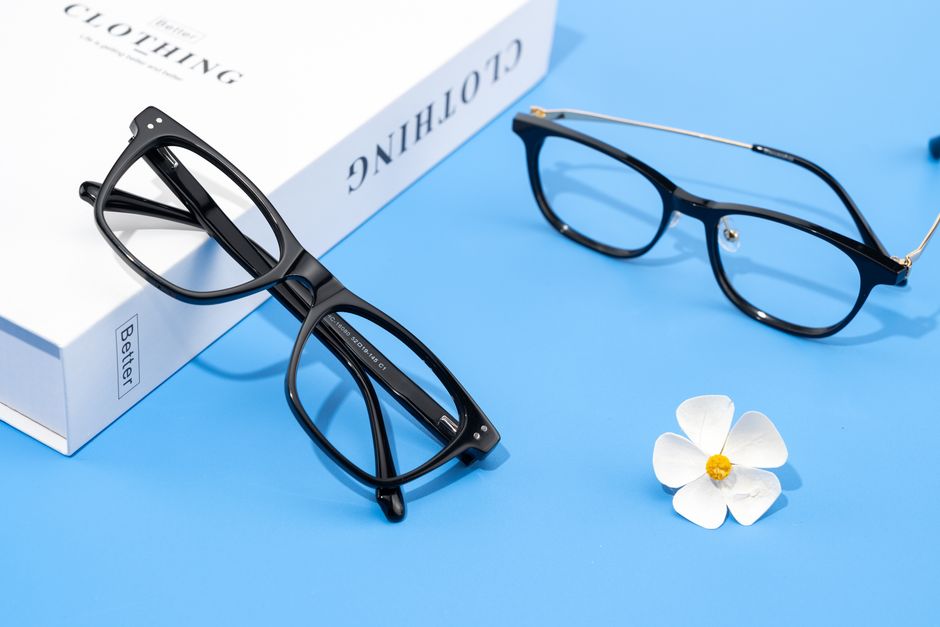
Blue light glasses are widely advertised to reduce eye strain and improve sleep, but the evidence for their benefits is limited. Most research suggests they do not reduce digital eye strain, and their effect on sleep is mixed. If you spend hours on screens, other changes—like taking breaks and adjusting screen brightness—are likely more helpful.
What Is Blue Light and Why Do People Worry About It?
Blue light is part of the visible light spectrum. It has a short wavelength and high energy. Sunlight is the main source of blue light. Screens like phones, computers, and TVs also emit blue light, but at much lower levels than the sun.
Concerns about blue light center on three things: eye strain from screen use, disruption of sleep, and a theoretical risk of long-term damage to the retina. The worry is that too much blue light, especially at night, might harm your eyes or make it harder to sleep.
Many of these concerns come from lab studies using very high doses of blue light—doses far higher than any screen produces. Real-world exposure from screens is much lower.
Does Blue Light from Screens Harm Your Eyes?
No evidence shows that blue light from screens causes permanent eye damage in humans. The American Academy of Ophthalmology states there is no scientific proof that blue light from digital devices does any lasting harm to the eyes.
Digital eye strain is real. It includes symptoms like dry eyes, blurred vision, and headaches. But the cause is not blue light alone. Staring at a screen reduces how often you blink. It forces your eyes to work harder to focus. Glare and poor lighting also play a role. Blue light is a minor factor, if it is a factor at all.
Studies that directly test blue‑blocking glasses against standard glasses or no glasses find no meaningful difference in eye strain symptoms. A 2021 review in the Cochrane Database of Systematic Reviews looked at multiple trials and found “no evidence” that blue‑light‑filtering lenses reduce eye strain compared to clear lenses.
Can Blue Light Glasses Help You Sleep Better?
Blue light does affect your body’s sleep cycle. Your eyes have cells that detect blue light and signal your brain to stop making melatonin, the hormone that helps you sleep. Bright blue light at night can shift your internal clock.
Some studies suggest that wearing blue‑blocking glasses in the evening can help people fall asleep faster and improve sleep quality. A small study in the Journal of Psychiatric Research found that people with insomnia who wore amber‑tinted glasses for three hours before bed slept better than a control group.
But the evidence is not consistent across all studies. Other trials show no significant benefit. The amount of blue light from screens is far less than from sunlight. For most people, simply dimming the screen or using a built‑in “night mode” (which reduces blue light) may be enough to avoid sleep disruption. If you already have trouble sleeping, blue‑blocking glasses might help, but they are not a proven treatment.





Do Blue Light Glasses Reduce Digital Eye Strain?
The short answer is no. Multiple well‑designed studies show no benefit. A 2021 Cochrane review—considered the gold standard in medical evidence—concluded that blue‑light‑filtering lenses do not reduce eye strain from computer use.
Why? Eye strain is not caused by a specific color of light. It is caused by how you use your eyes. You blink less when looking at a screen. You hold your eyes in a fixed focus position for long periods. The lighting in the room, screen brightness, and distance from the screen all matter more than blue light.
If you are experiencing eye strain, blue light glasses are unlikely to fix it. What works better is the 20‑20‑20 rule: every 20 minutes, look at something 20 feet away for 20 seconds. Also, keep your screen at arm’s length, use artificial tears for dry eyes, and adjust the brightness of your screen to match the room.
What About Blue Light and Eye Disease?
Some marketing suggests blue light from screens increases your risk of macular degeneration, a condition that damages the center of the retina. This concern comes from lab studies where animal eyes or isolated cells are exposed to very high doses of blue light.
Those doses are thousands of times stronger than what you get from a screen. The human eye also has natural protective mechanisms, including light‑filtering chemicals in the lens. There is no clinical evidence linking screen use to macular degeneration.
The main risk factors for macular degeneration are age, smoking, genetics, and diet. For eye health overall, the bigger concern is UV light from the sun. Sunglasses that block UV are more important than indoor blue‑blocking glasses.
Should You Buy Blue Light Glasses?
For most people, blue light glasses are not necessary. If you do not have specific sleep problems or eye strain, they offer no proven benefit. The marketing often exaggerates the role of blue light while ignoring more effective solutions.
If you decide to try them, choose glasses with a noticeable tint—amber or orange—that block a significant portion of blue light. Clear “blue‑blocking” lenses may filter very little. Be aware that tinted glasses can make colors look odd and may not be practical for daytime computer work.
For sleep, a better first step is to limit screen time an hour before bed, dim your devices, and use night mode. For eye strain, habits matter more than what you wear on your face. If symptoms persist, see an eye doctor.
Frequently Asked Questions
Do blue light glasses work for eye strain?
No. High‑quality studies, including a 2021 Cochrane review, found no evidence that blue‑light‑blocking lenses reduce digital eye strain compared to ordinary lenses.
Can blue light glasses prevent eye damage?
There is no evidence that blue light from screens causes permanent eye damage, so there is nothing for the glasses to prevent.
Do blue light glasses help you sleep?
Some studies show a small benefit for sleep when wearing amber‑tinted glasses before bed, but the evidence is mixed and other changes like reducing screen time may work just as well.
Are blue light glasses worth the money?
For most people, no. The same money is better spent on improving screen habits, adjusting room lighting, or a comfortable chair and desk.
