
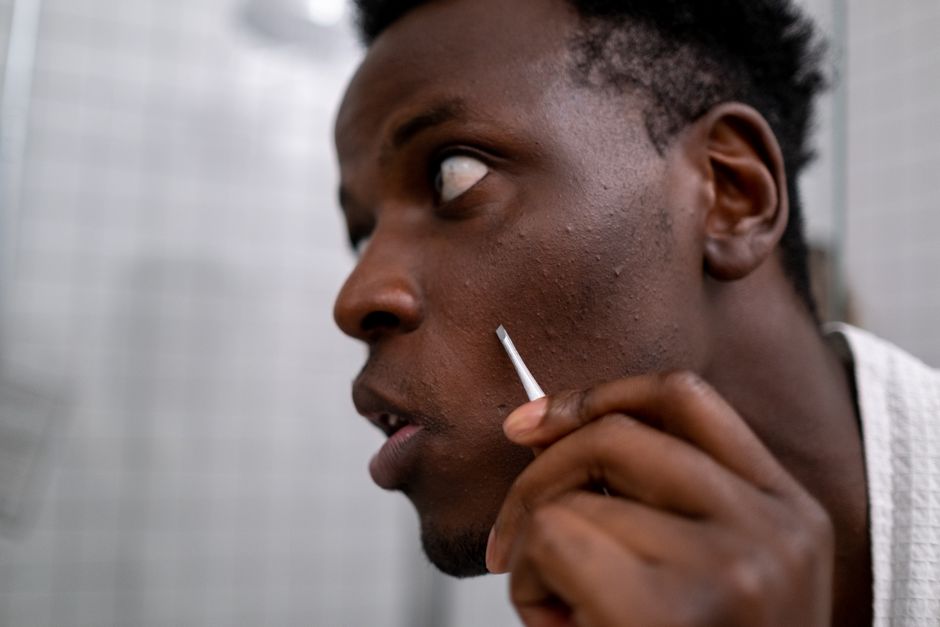
Ear zits are painful, annoying, and hard to reach. The short answer on how to get rid of zits in ear is to use a warm compress to bring the pimple to a head, then apply a spot treatment with benzoyl peroxide or salicylic acid. Never pop or pick at it. If it is deep, infected, or extremely painful, see a dermatologist for a cortisone injection or drainage. Ear acne is common but requires different care than facial acne because the skin is tighter and the area is harder to clean without causing more irritation.
Why Do Zits Form Inside the Ear?
Ear zits form for the same basic reasons as any other pimple. Pores get clogged with dead skin cells, oil, and bacteria. The ear canal and outer ear have plenty of sebaceous glands that produce oil. When that oil cannot escape, a clog forms.
Earbuds, headphones, and hearing aids are common triggers. They trap moisture and heat against the skin. They also push bacteria and debris into the pores. A study published in the Journal of the American Academy of Dermatology found that frequent headphone use is linked to increased acne in the ear area. Sweat from exercise makes it worse if you do not clean your ears and your devices afterward.
Hormones also play a role. Androgens increase oil production, which can lead to breakouts in the ear just like on the face or back. Some people are simply more prone to ear zits because their ear canals are narrow or have more hair follicles, which trap oil more easily.
How To Get Rid Of Zits In Ear Safely
Safe treatment starts with not touching it. The skin inside the ear is thin and tightly bound to cartilage. Picking or squeezing can push bacteria deeper and cause perichondritis, a serious infection of the ear cartilage that requires antibiotics or even surgery.
The safest first step is a warm compress. Soak a clean washcloth in warm water, wring it out, and hold it against the zit for 10 to 15 minutes three times a day. This increases blood flow and helps the pimple come to a head naturally. Once it forms a whitehead, you can apply an over-the-counter spot treatment.
Benzoyl peroxide 2.5% to 5% is effective because it kills acne-causing bacteria and helps clear pores. Salicylic acid 0.5% to 2% works by exfoliating dead skin cells. Use a cotton swab to apply a tiny amount directly on the zit only. Avoid getting it deep inside the ear canal. Do not use both at the same time — it will dry and irritate the skin.
For deeper, painful cysts that do not come to a surface, a dermatologist can inject a low-dose corticosteroid. This reduces inflammation within 24 to 48 hours. The American Academy of Dermatology confirms this is the most effective treatment for nodular ear acne. Do not try to drain these at home.
What Not to Do When Treating Ear Zits
Do not use pore strips in or around the ear. They are designed for the nose and forehead and can tear the thin ear skin. Do not apply toothpaste, baking soda, or lemon juice. These home remedies have no clinical evidence behind them and often cause chemical burns or contact dermatitis.
Do not use heavy creams or oils near the ear. Coconut oil, shea butter, and thick moisturizers can clog pores further. The ear area needs lightweight, non-comedogenic products if any at all.
Do not use acne tools like comedone extractors in the ear. The angle is awkward and the skin is too fragile. You will likely cause scarring or infection. A study in Dermatologic Surgery reported that self-extraction of ear acne leads to higher rates of infection compared to other facial areas because of limited visibility and access.
Do not ignore signs of infection. If the area becomes red, swollen, warm to the touch, or starts draining yellow or green pus, see a doctor. These are signs of cellulitis or an abscess that needs prescription antibiotics.




Do Over-the-Counter Acne Products Work for Ear Zits?
Yes, but with important limits. The same active ingredients that work on facial acne work on ear zits, but the ear skin is more sensitive. Products formulated for the face are often too harsh for the ear. You may need to dilute them or use lower concentrations.
Here is a comparison of common OTC options for ear zits:
| Ingredient | Best For | Ear-Specific Caution |
|---|---|---|
| Benzoyl peroxide 2.5% | Inflamed red pimples | Can bleach clothing and towels. Avoid deep ear canal. |
| Salicylic acid 0.5% | Blackheads and whiteheads | May sting if skin is broken. Do not use on raw skin. |
| Sulfur 3% to 10% | Mild pustules | Strong smell. Can dry out ear skin quickly. |
| Tea tree oil 5% | Mild inflammation | Some people report contact dermatitis. Always dilute with a carrier oil. |
Apply these only with a cotton swab and only to the visible pimple. Do not put them deep into the ear canal. If you feel burning, dizziness, or muffled hearing, stop immediately. These are signs the product has gone too far into the ear.
How to Prevent Ear Zits From Coming Back
Prevention is more effective than treatment. Clean your ears gently during your daily shower. Use a washcloth with mild soap on the outer ear only. Do not insert cotton swabs into the ear canal — they push wax and debris deeper and can cause impaction.
Clean your earbuds, headphones, and hearing aids at least once a week. Wipe them with 70% isopropyl alcohol on a soft cloth. Let them dry completely before use. A study from the University of Arizona found that earbuds carry up to 2,700 bacteria per square inch. That is more than a kitchen cutting board.
Change your pillowcase every two to three days. Your ear presses against the pillow for hours each night. Oil, dead skin, and bacteria build up quickly. A clean pillowcase reduces the transfer of these substances to your ear.
Avoid touching your ears throughout the day. Your hands carry bacteria and oil. If you wear glasses or sunglasses, clean the arms regularly. They rub against the same spot on your ear and can cause recurring zits in that exact location.
When to See a Dermatologist for Ear Acne
You should see a dermatologist if you have a painful, deep lump that does not improve after one week of warm compresses. These are often cysts or nodules that require professional drainage. Do not try to pop them yourself. The risk of infection and scarring is high.
See a doctor if you have multiple zits in the ear that keep coming back in the same spot. This could be a sign of a deeper issue like folliculitis, which is an infection of the hair follicles. Folliculitis often requires prescription topical antibiotics like clindamycin or mupirocin.
See a doctor immediately if you have fever, ear pain that radiates to your jaw or neck, or swelling that spreads beyond the pimple. These are signs of a serious infection called malignant otitis externa, especially in people with diabetes or weakened immune systems. The CDC notes that this condition is rare but requires urgent medical care.
Dermatologists can also prescribe oral antibiotics like doxycycline for persistent ear acne. They can perform a culture to identify the specific bacteria and choose the right treatment. Some people with chronic ear acne benefit from isotretinoin, but this is reserved for severe, treatment-resistant cases due to side effects.
Frequently Asked Questions
Can I pop a zit in my ear?
No. Popping ear zits can push bacteria deeper into the cartilage and cause serious infection. Use a warm compress instead to bring it to a head naturally.
How long does an ear zit last?
Most ear zits last 3 to 7 days with proper care. Deep cysts can take up to two weeks. If it lasts longer or gets worse, see a dermatologist.
Is it safe to use hydrogen peroxide on ear zits?
No. Hydrogen peroxide can damage healthy skin cells and slow healing. Stick to benzoyl peroxide or salicylic acid for spot treatment.
Can ear zits cause hearing problems?
Rarely. A large, swollen zit in the ear canal can block sound temporarily. This usually resolves once the inflammation goes down. If hearing loss persists, see a doctor.
