
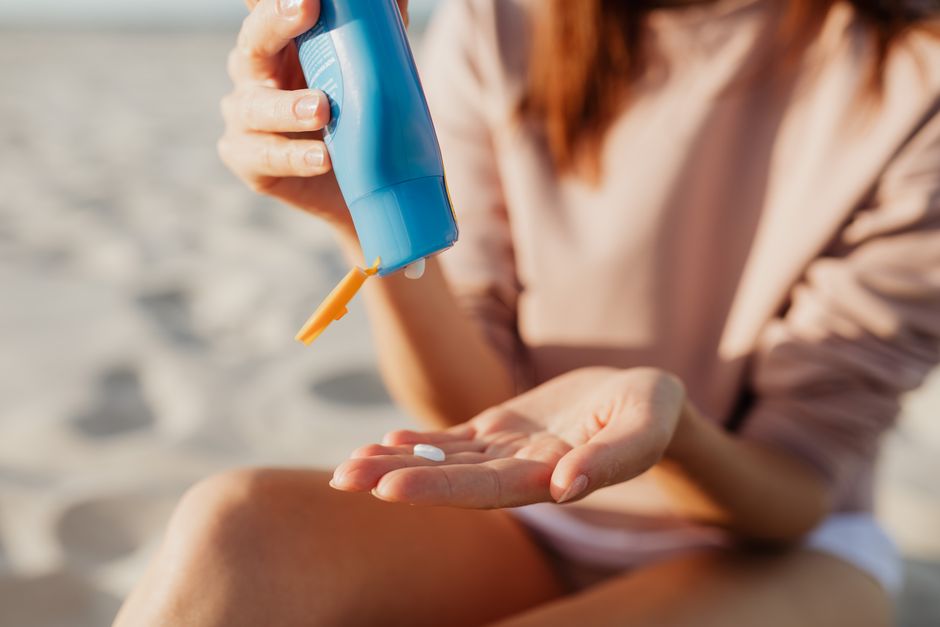
The best SPF for sunscreen is one that is SPF 30 or higher, broad-spectrum, and water-resistant. That combination protects against both UVA and UVB rays and holds up during swimming or sweating. SPF 30 blocks about 97% of UVB rays when applied correctly. Higher numbers offer slightly more protection, but no sunscreen blocks 100% of UV rays.
What Does SPF Actually Mean?
SPF stands for Sun Protection Factor. It measures how long sunscreen protects your skin from UVB rays, which cause sunburn. The number is a ratio, not a percentage. If your skin would normally burn after 10 minutes in the sun, SPF 30 means it would take about 300 minutes before burning — if applied perfectly.
That “if applied perfectly” is the catch. Most people apply far less sunscreen than the amount used in testing. Studies consistently show people apply about half the recommended amount. This means real-world protection is lower than the number on the bottle suggests.
SPF does not measure UVA protection. That is why broad-spectrum labeling matters. UVA rays penetrate deeper into the skin and contribute to aging and skin cancer risk. A high SPF number alone does not tell you how well a product protects against UVA.
Why Broad-Spectrum Protection Matters
Ultraviolet radiation comes in two main types that reach your skin. UVB rays cause sunburn and play a key role in developing skin cancer. UVA rays penetrate deeper and cause premature aging, wrinkles, and also contribute to skin cancer risk.
A broad-spectrum sunscreen filters both types. Without this label, a product may only protect against UVB. You could wear a high SPF and still get significant UVA exposure. That leaves you with invisible damage that shows up years later as leathery skin or, worse, skin cancer.
When you check a label, look for the words “broad spectrum” specifically. This is a regulated term in the United States. Products that meet FDA standards for broad-spectrum testing can use this label. If it is not there, the product does not meet those standards.
Is Higher SPF Always Better?
SPF 30 blocks about 97% of UVB rays. SPF 50 blocks about 98%. SPF 100 blocks about 99%. The difference between 30 and 100 is only about 2 percentage points. That is a small gain for a big jump in price.
Higher SPF numbers do provide more protection, but the benefit diminishes as the number climbs. There is no dramatic leap from SPF 50 to SPF 100. The real issue is application. A person who applies SPF 30 correctly gets better protection than someone who applies SPF 50 too thinly.
Some dermatologists recommend SPF 50 or higher for people with fair skin, a history of skin cancer, or those spending extended time outdoors. For everyday use, SPF 30 is a solid baseline. The best sunscreen is the one you will actually apply generously and reapply.





Chemical vs. Mineral Sunscreen: Does It Matter?
There are two main types of sunscreen filters. Chemical sunscreens absorb UV radiation and convert it to heat. Mineral sunscreens — also called physical sunscreens — sit on the skin and reflect or scatter UV rays. Both types can be effective when used correctly.
Chemical filters include ingredients like avobenzone, oxybenzone, and octinoxate. They tend to be lighter and rub in without leaving a white cast. This makes them easier to wear daily, especially on darker skin tones.
Mineral filters use zinc oxide or titanium dioxide. They sit on top of the skin and work immediately after application. Chemical sunscreens need about 15 minutes to become effective. Mineral formulas are often recommended for sensitive skin because they are less likely to cause irritation.
Some research has raised questions about chemical sunscreen ingredients entering the bloodstream. The FDA has requested more safety data on these ingredients. This does not mean they are proven harmful, but it means the evidence is not complete. If you prefer to minimize exposure to chemical filters, mineral sunscreens are a reasonable choice.
What SPF Do You Need for Daily Use vs. Outdoor Days?
For daily use, SPF 30 broad-spectrum is generally sufficient. You are mostly indoors, with short periods of sun exposure during commutes, errands, or lunch breaks. Reapplication matters less on a typical workday, but you should still reapply if you spend extended time outside.
For outdoor activities — beach days, hiking, sports, gardening — start with SPF 50. You are getting more continuous exposure, and you are likely sweating or swimming. Water-resistant formulas are essential in these situations. They maintain protection for 40 to 80 minutes of water exposure, depending on the label.
No sunscreen is truly waterproof. The FDA no longer allows manufacturers to use that term. “Water-resistant” is the accurate label. It tells you how long the product holds up in water before you need to reapply.
How Much Sunscreen Should You Apply?
The standard recommendation is about 2 milligrams of sunscreen per square centimeter of skin. In practical terms, that means about one ounce — a shot glass full — to cover your entire body. For your face alone, you need about a nickel-sized amount.
Most people apply half of this amount. That is why the SPF you get in real life is lower than the label. If you apply half the required amount of SPF 30, you are getting roughly SPF 15 or less of actual protection.
Apply sunscreen 15 minutes before going outside if you are using a chemical formula. This gives the filters time to bind to your skin. Mineral sunscreens work immediately. Reapply every two hours, or more often if you are swimming or sweating heavily.
One common mistake is skipping areas like the ears, back of the neck, and tops of the feet. These spots get heavy sun exposure and are common sites for skin cancer. The lips also need protection — use a lip balm with SPF.
What About Vitamin D and Sunscreen?
Some people worry that sunscreen blocks vitamin D production. It is true that UVB rays trigger vitamin D synthesis in the skin, and sunscreen filters UVB. However, studies have not found that regular sunscreen use causes vitamin D deficiency in real-world conditions.
This is likely because people do not apply sunscreen perfectly or consistently. They miss spots, apply too little, or skip reapplication. Enough UVB reaches the skin to maintain vitamin D levels in most people.
If you are concerned about vitamin D, talk to your doctor about testing. Food sources and supplements can fill any gap. Do not skip sunscreen to get vitamin D. The skin cancer risk from unprotected sun exposure far outweighs any potential vitamin D benefit.
Does Expired Sunscreen Still Work?
Sunscreen has a shelf life. Most products are formulated to remain stable for up to three years. The FDA requires sunscreens to be labeled with an expiration date if they do not meet this three-year standard.
Using expired sunscreen is risky. The active ingredients break down over time, especially when exposed to heat. An expired product may provide far less protection than the label claims. You could get sunburned without realizing your protection has failed.
If your sunscreen has no expiration date and you do not know when you bought it, replace it. Changes in color, texture, or smell are signs the product has degraded. When in doubt, throw it out and buy fresh.
Frequently Asked Questions
What is the best SPF number for everyday use?
SPF 30 is the recommended baseline for daily use. It blocks about 97% of UVB rays when applied correctly.
Is SPF 50 or SPF 100 worth the extra cost?
SPF 50 blocks about 98% of UVB rays and SPF 100 blocks about 99%, so the difference is small. The bigger factor is applying enough sunscreen and reapplying regularly.
Should I use chemical or mineral sunscreen?
Both types work well when used correctly. Mineral sunscreens are a better choice for sensitive skin, while chemical sunscreens tend to feel lighter and leave no white cast.
How often should I reapply sunscreen?
Reapply every two hours, or more often if you are swimming or sweating. Water-resistant formulas last 40 to 80 minutes in water.
