
Peripheral neuropathy pain in the feet is one of the harder things to live with. It burns, tingles, stabs, or feels like your socks are bunched up when they are not. There is no single home remedy that reverses nerve damage. What home care can realistically do is calm symptoms, protect your feet from injury, and remove things that make the pain worse. That combination genuinely helps many people, even when the underlying nerve damage does not go away.
What Is Actually Causing the Pain in Your Feet?
Peripheral neuropathy means the nerves outside your brain and spinal cord are damaged or not working properly. In the feet, that usually shows up as burning, tingling, numbness, or sharp shooting pain. Symptoms often start in the toes and move up the foot over time.
The most common cause in the US is diabetes and prediabetes. High blood sugar over years damages the small blood vessels that feed nerves and changes how nerves signal. But diabetes is far from the only cause. Other common ones include:
- Vitamin B12 deficiency, which is more common with age, certain diets, and long-term use of some medications
- Heavy alcohol use
- Kidney disease and thyroid disease
- Chemotherapy drugs and some other medications
- Nerve compression, such as a pinched nerve in the back or tarsal tunnel syndrome
- Inherited conditions such as Charcot-Marie-Tooth disease
This matters because home care works differently depending on the cause. If the problem is a B12 deficiency, no amount of foot soaking will fix it. If it is diabetes, blood sugar control is the single biggest lever. A doctor can usually narrow down the cause with a physical exam, blood tests, and sometimes nerve studies.
Can You Actually Stop Neuropathy Pain at Home?
No home method has been shown to reverse nerve damage. What home care can do is reduce how much the pain interferes with your life and lower your risk of a serious foot problem. That is a real goal, just a different one than a cure.
There is an important distinction here. Some things have solid evidence behind them. Others are widely recommended by clinicians but have weaker trial support. A few are pure marketing. Knowing which is which saves you money and disappointment.
What has reasonable evidence:
- Keeping blood sugar in a healthy range if you have diabetes or prediabetes
- Regular gentle exercise, which some studies suggest can reduce neuropathic pain and improve nerve function
- Correcting a genuine vitamin deficiency
- Reducing or stopping alcohol if it is contributing
- Foot protection and daily foot checks
What has limited or mixed evidence:
- Capsaicin cream, which some people find helpful but which can sting badly at first
- Alpha-lipoic acid supplements, studied mostly in Europe with mixed results
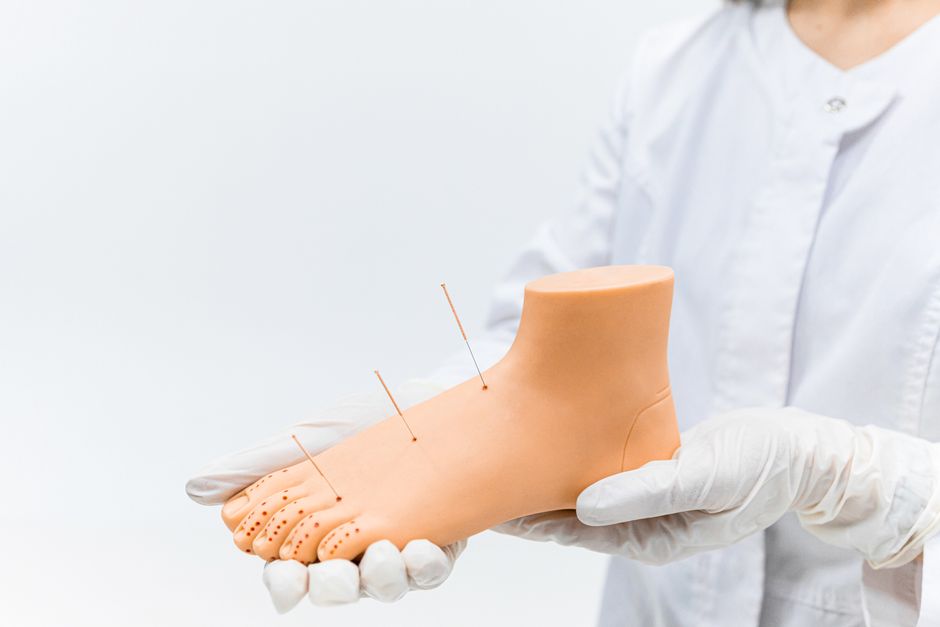
- Acupuncture, which some trials support and others do not
- TENS units, which help some people and not others
What has no good evidence for neuropathy pain:
- Foot soaks with Epsom salt, vinegar, or essential oils
- Magnets, copper bracelets, and similar devices
- Most “nerve support” supplements sold online
None of these will harm you in most cases, but spending money on them delays things that actually help.
What Home Habits Actually Reduce Nerve Pain?
Blood sugar control is the most important thing you can do if you have diabetes or prediabetes. Research consistently shows that better glucose control lowers the risk of neuropathy developing and can slow its progression. It does not reliably reverse existing pain, but it often keeps it from getting worse.
Movement helps more than most people expect. Gentle, regular activity improves circulation to the feet and, in some studies, reduces neuropathic pain. Walking, swimming, stationary biking, and chair exercises all count. The goal is consistency, not intensity. If your feet are numb, check them after exercise for blisters or sores you might not feel.
Sleep and stress matter too, though the evidence here is more about pain perception than nerve repair. Poor sleep makes chronic pain feel worse. That is well established for pain in general. Simple steps like a consistent bedtime and limiting screens before bed are worth trying.
If you drink alcohol heavily, cutting back or stopping is one of the few things that can genuinely improve alcohol-related neuropathy, especially in the early stages.





How Do You Protect Feet That Hurt or Feel Numb?
Numb feet are dangerous feet. You can step on something sharp, burn yourself, or develop a blister without noticing. Small injuries can turn into ulcers and, in serious cases, infections that threaten the foot. This is why foot care is not optional for anyone with neuropathy.
Check your feet every day. Look at the tops, soles, and between the toes. Use a mirror or ask someone to help if you cannot see the bottoms. Look for cuts, blisters, redness, swelling, or changes in skin color.
Wear shoes that fit well and have a wide toe box. Avoid walking barefoot, even at home. Test bath water with your elbow or a thermometer before stepping in, since your feet may not feel heat accurately. Keep toenails trimmed straight across, and see a podiatrist if you have thick nails or calluses.
Moisturize dry skin, but not between the toes, where extra moisture can encourage fungal growth. Wear clean, dry socks, and change them if your feet sweat.
Which Home Remedies Are Worth Trying and Which Are Not?
It helps to sort remedies by what the evidence actually supports. Here is a plain comparison.
| Approach | Evidence Level | Notes |
|---|---|---|
| Blood sugar control | Strong | Most important step if you have diabetes or prediabetes |
| Regular gentle exercise | Moderate | Some studies show reduced pain and better nerve function |
| Correcting vitamin deficiency | Strong if deficient | Only helps if a deficiency is actually present |
| Capsaicin cream | Mixed | Can sting; some people find relief |
| Alpha-lipoic acid | Mixed | Trial results vary; not a first-line option |
| Acupuncture | Mixed | Some trials positive, others not |
| TENS unit | Mixed | Helps some people, not others |
| Epsom salt soaks | None for nerve pain | May feel good but does not treat neuropathy |
| Magnets or copper bracelets | None | No evidence of benefit |
Prescription options exist when home care is not enough. These include certain antidepressants, anti-seizure medications, and topical treatments. They are not painkillers in the usual sense. They work by calming overactive nerve signals. A doctor can discuss which might fit your situation.
When Should You Stop Treating This at Home?
Home care has limits, and knowing them matters. See a doctor promptly if you notice a wound, blister, or sore on your foot that is not healing, or any sign of infection such as redness spreading, warmth, or pus. Foot infections in people with neuropathy can become serious quickly.
Also get medical help if the pain is getting worse despite your efforts, if you develop new weakness in your legs or feet, if the numbness is spreading upward, or if you have trouble with balance or falls. These can point to causes that need specific treatment.
And if you have never had your neuropathy evaluated, that is worth doing once. A cause that can be corrected, like a vitamin deficiency or an underactive thyroid, changes everything about your approach.
Frequently Asked Questions
Can neuropathy in the feet be reversed at home?
No home method has been shown to reverse nerve damage, though some causes like vitamin deficiency can improve with treatment. Home care mainly reduces pain and prevents foot injuries.
Does soaking feet in Epsom salt help neuropathy pain?
There is no evidence that Epsom salt soaks treat nerve pain, though warm water may feel soothing. If you have numbness, test the water temperature carefully to avoid burns.
What vitamin helps with neuropathy in the feet?
Vitamin B12 is the main one, but it only helps if you actually have a deficiency. A blood test can confirm whether you need it.
Is walking good for neuropathy in the feet?
Gentle, regular walking is generally encouraged and some studies suggest it can reduce neuropathic pain. Check your feet afterward for blisters or sores, since numbness can hide injuries.
