
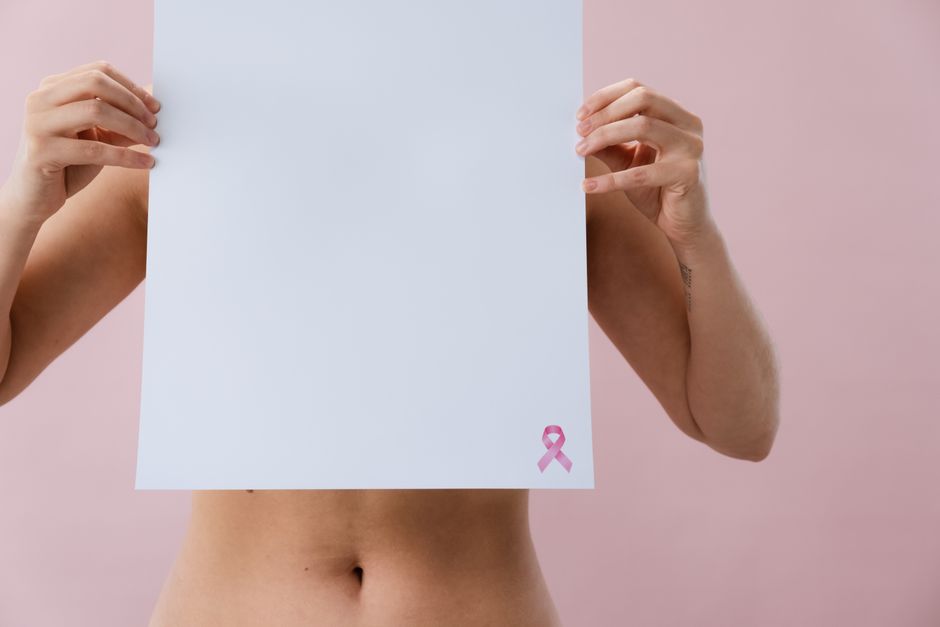
Under-boob rash is a common and frustrating skin problem. The key to getting rid of it for good is not just treating the rash itself, but identifying and removing its root cause, which is usually trapped moisture, friction, or a fungal infection. A consistent routine of keeping the area clean and dry, using the right barrier or medicated cream, and wearing breathable fabrics is the most effective strategy. If the rash persists after two weeks of consistent care, it is time to see a doctor for a specific diagnosis.
What Causes Under Boob Rash?
Under-boob rash is rarely one single thing. Most of the time, it is a combination of moisture, heat, and friction. The skin under the breasts is often folded and does not get much airflow. Sweat gets trapped, and the skin rubs together. This creates the perfect environment for irritation.
There are several common culprits. The most frequent is intertrigo, which is a rash caused by skin-on-skin friction in warm, moist areas. It looks red and raw and can feel sore. Another very common cause is a fungal infection, usually from Candida yeast. This type of rash is often itchy, bright red, and may have small satellite bumps around the main rash area. It can also be caused by a bacterial infection, an allergic reaction to soaps or laundry detergent, or a chronic skin condition like eczema or psoriasis.
Knowing the difference matters. A friction rash and a yeast rash need different treatments. Using a steroid cream on a fungal infection can actually make it worse by feeding the yeast. This is why getting the cause right is the first step to getting rid of the rash for good.
How To Get Rid Of Under Boob Rash For Good
The most effective plan has three parts: keep the area dry, remove the irritant, and use the correct treatment. You cannot fix the problem with cream alone if the skin stays wet all day.
Start with washing. Clean the area gently with a mild, fragrance-free cleanser and lukewarm water. Pat the skin dry completely. Do not rub it. Rubbing damages the already irritated skin. After washing, you can use a cool setting on a hairdryer to ensure the area is 100 percent dry before applying any product.
Next, create a barrier. A zinc oxide cream, like the kind used for diaper rash, is excellent for protecting skin from moisture and friction. It acts as a physical shield. If you suspect a fungal infection, an over-the-counter antifungal cream containing clotrimazole or miconazole is the first-line treatment. Apply it as directed on the package, usually once or twice a day for two to four weeks. Do not stop using it the moment the rash looks better. Fungal infections often return if the full course is not completed.
Finally, change your environment. Wear a cotton bra or a moisture-wicking sports bra. Avoid synthetic materials that trap heat. Change out of sweaty clothes as soon as possible. If you are at home, going braless allows air to reach the skin and speeds up healing.
Why Does It Keep Coming Back?
A rash that heals and then returns is a sign that the underlying trigger is still there. If you treat the rash but keep wearing non-breathable bras, or if you sweat heavily and never dry the area, the rash will return. The skin barrier is weakened after a rash, making it even more sensitive to the same triggers.
Recurring yeast infections under the breast are also linked to overall health. People with diabetes or high blood sugar levels are more prone to fungal infections because yeast feeds on sugar. If you have recurrent under-boob rashes and other signs like increased thirst or frequent urination, it is worth discussing blood sugar testing with your doctor.
Another reason for recurrence is using the wrong product. For example, using a moisturizer on a fungal rash can trap moisture and feed the yeast. Similarly, using a strong steroid cream without a doctor’s guidance can thin the skin over time and make it more fragile and prone to future rashes.



Home Remedies: What Works and What Does Not
People try many home remedies for under-boob rash. Some are helpful. Some are a waste of time. And a few can make things worse.
Cornstarch is a common suggestion for keeping skin dry. However, cornstarch can actually feed yeast. If your rash is fungal, cornstarch can make it worse. It is better to use a product specifically designed to absorb moisture without feeding yeast, or to simply keep the area dry with air and breathable fabrics.
Tea tree oil is often promoted as a natural antifungal. The evidence for its effectiveness on skin is limited, and it is a common cause of allergic contact dermatitis. Applying undiluted tea tree oil to already irritated skin can cause a severe burning reaction. It is not worth the risk.
Apple cider vinegar is another viral remedy that should be avoided. Vinegar is acidic and will sting and further irritate broken skin. It has no proven benefit for this type of rash.
The safest home approach is simple: keep the area clean, dry, and protected. A cool compress can temporarily relieve itching, but it does not treat the cause. Plain, unscented moisturizers can help with eczema-related rashes, but they will not help a fungal infection.
When To See A Doctor
Most under-boob rashes can be managed at home. But there are clear signs that you need professional help. If the rash is painful, oozing, bleeding, or spreading rapidly, see a doctor. If you have a fever along with the rash, that is a red flag that requires medical attention.
If the rash does not improve after two weeks of consistent treatment, you need a doctor’s opinion. A doctor can take a skin scraping to determine if the cause is fungal, bacterial, or something else. This is important because prescription-strength treatments are often needed for stubborn cases.
For people with diabetes or a weakened immune system, any skin infection should be evaluated sooner rather than later. These conditions can turn a minor rash into a serious infection very quickly.
Prevention: How To Stop It Before It Starts
Prevention is the most reliable way to get rid of under-boob rash for good. Once the rash clears, you need a maintenance routine to keep it from coming back.
The most important habit is drying the area thoroughly after every shower. This sounds simple, but many people do not do it well. Use a towel to pat dry, then allow the area to air dry for a few minutes before putting on a bra.
Choose your bra fabric carefully. Cotton is breathable and absorbs moisture. Sports bras made from moisture-wicking synthetic fabrics are also a good option for workouts because they pull sweat away from the skin. Avoid bras with underwire that digs into the skin and creates friction points.
Consider using a barrier cream preventatively during hot, humid months or during intense exercise. Applying a thin layer of zinc oxide before a workout can protect the skin from friction and moisture. This is especially helpful for people who have had this rash before.
Frequently Asked Questions
Can deodorant help under boob rash?
Antiperspirant can help reduce sweating under the breasts, which may prevent the moisture that causes rashes. However, do not apply it to an active rash as it can sting and irritate broken skin.
Is under boob rash a sign of cancer?
No, an under-boob rash is almost always caused by friction, moisture, or infection. However, a rash that does not heal, changes in skin texture, or a lump under the skin should be checked by a doctor to rule out rare conditions like inflammatory breast cancer.
How long does it take for a fungal under boob rash to heal?
With consistent use of an antifungal cream, a fungal rash typically improves within one to two weeks. Full clearance can take up to four weeks, and it is important to continue treatment for the entire recommended duration to prevent recurrence.
Should I go braless to help the rash heal?
Going braless at home can help by allowing air to circulate and keeping the skin dry. When you need to wear a bra, choose a clean, cotton or moisture-wicking style that does not dig into the skin.
