
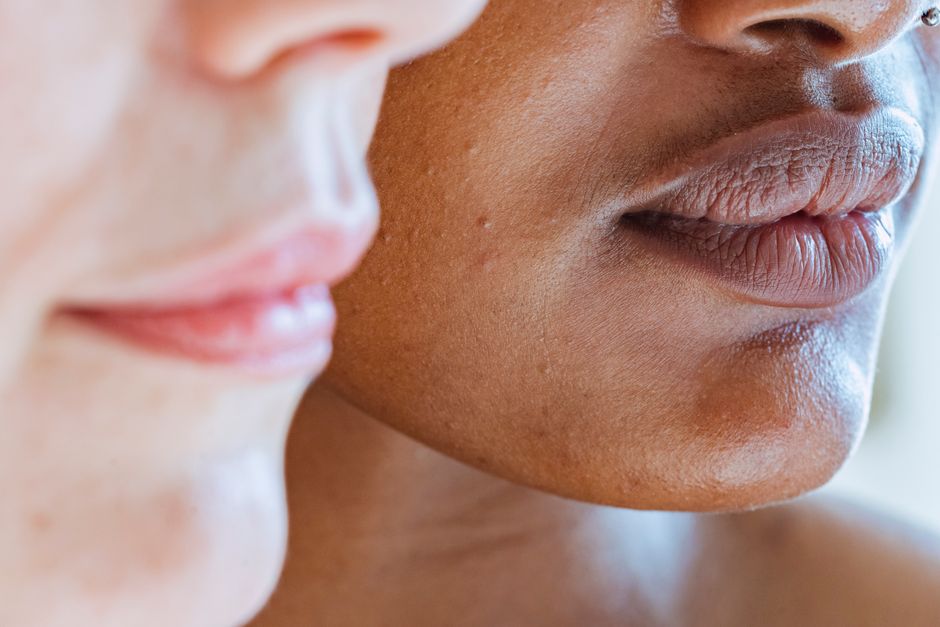
Tiny bumps on the face are frustrating. You feel them before you see them, and they rarely respond to the same treatments that clear regular pimples. The quickest way to address them is to identify the type of bump first, because treating the wrong condition wastes time and can irritate your skin. Depending on the cause, you can see improvement within days to a few weeks by adjusting your routine, using the right active ingredients, and stopping any products that are clogging your pores.
What Are the Tiny Bumps on Your Face?
The first step is figuring out what you are dealing with. Not every small bump is a pimple. The most common causes are comedonal acne, milia, and a condition called keratosis pilaris.
Comedonal acne includes blackheads and whiteheads. These are clogged hair follicles filled with oil and dead skin cells. Blackheads are open at the surface and look dark because the oil oxidizes when exposed to air. Whiteheads are closed at the surface and appear as small, flesh-colored or white bumps.
Milia are tiny, hard, white cysts that form when keratin becomes trapped just beneath the outer layer of skin. They look like small white pearls and are common around the eyes, cheeks, and nose. They are not acne and do not contain oil or bacteria.
Keratosis pilaris often appears as rough, red or flesh-colored bumps on the upper arms and thighs, but it can also appear on the face, particularly on the cheeks. It happens when keratin builds up and blocks the opening of hair follicles.
If your bumps are itchy, red, or appear suddenly, they may be a form of contact dermatitis or an allergic reaction to a new product. In that case, the treatment is completely different. Stop using any new products immediately and let your skin settle.
Step 1: Stop Using Anything That Clogs Pores
Before adding any new treatment, remove the cause. Many moisturizers, sunscreens, and makeup products contain ingredients that can block pores. These are called comedogenic ingredients.
Common pore-clogging ingredients include certain oils like coconut oil, cocoa butter, and some silicones. Check the labels of everything you put on your face. Look for products labeled “non-comedogenic” or “oil-free.”
If you have been using a heavy cream or an oil-based cleanser, switch to a lighter gel or water-based moisturizer. Give your skin two weeks on a simplified routine before judging whether a product is the culprit. This is often the single most effective step for comedonal acne.
Do not pick at the bumps. Picking can push bacteria deeper, cause scarring, and turn a small clogged pore into an inflamed, red pimple. It also delays healing.
Step 2: Use a Salicylic Acid Cleanser or Toner
Salicylic acid is a beta hydroxy acid (BHA) that is oil-soluble. This means it can penetrate into the pore and dissolve the oil and dead skin cells that form the clog. It is the most direct over-the-counter treatment for blackheads and whiteheads.
Use a cleanser containing salicylic acid once or twice daily. Leave it on your skin for about one minute before rinsing to give the ingredient time to work. A concentration of 2% is standard in many over-the-counter cleansers.
If a cleanser is not enough, a salicylic acid toner or liquid exfoliant can be applied after washing. Start with every other day to see how your skin reacts. Dryness and mild peeling are common when you first start, especially if you have sensitive skin.
Do not combine salicylic acid with other strong exfoliants like retinol on the same night until you know your skin can tolerate it. Layering too many active ingredients at once is a common cause of irritation and more breakouts.





Step 3: Add a Retinoid at Night
Retinoids are vitamin A derivatives that speed up cell turnover. They help prevent dead skin cells from accumulating and clogging pores in the first place. This makes them one of the most effective long-term treatments for comedonal acne and milia.
Adapalene 0.1% gel is available over the counter in the United States. It was originally available only by prescription but is now sold under brand names like Differin. It is specifically designed for acne and is generally better tolerated than other retinoids.
Start by applying a pea-sized amount to your entire face every third night. Do not spot-treat. Retinoids work best when applied evenly across the affected areas. After two weeks, you can increase to every other night if your skin is tolerating it well.
Retinoids can cause dryness, redness, and peeling during the first few weeks. This is called retinization and it usually improves. Use a simple moisturizer after the retinoid has dried. Always use sunscreen in the morning because retinoids increase sun sensitivity.
Do not use retinoids if you are pregnant or planning to become pregnant. Oral retinoids are known to cause birth defects, and while topical forms carry lower risk, most clinicians advise avoiding them during pregnancy. Discuss this with your doctor if it applies to you.
Step 4: Treat Milia Differently
Milia do not respond to salicylic acid or retinoids as quickly as acne does. The keratin plug sits under a thin layer of skin, and chemical exfoliants often cannot reach it effectively.
Retinoids are still the most useful home treatment for milia because they thicken and then shed the outer skin layer over time. Expect this to take several weeks to a few months. There is no fast home remedy for milia.
Do not try to squeeze milia out. They are hard and do not pop like pimples. Attempting to extract them at home can cause scarring and infection.
A dermatologist can remove milia quickly and safely in the office. They use a sterile lancet to make a tiny opening and then extract the keratin plug. This is a minor procedure that takes minutes and leaves minimal marks.
Step 5: Do Not Over-Exfoliate
It is tempting to scrub bumps away with physical exfoliants or strong acids. This is a mistake. Over-exfoliation damages the skin barrier, leading to redness, dryness, and more breakouts.
When the skin barrier is compromised, it loses water and becomes more sensitive. The skin may respond by producing more oil to compensate, which can worsen clogged pores. This creates a cycle that makes the problem worse.
Limit chemical exfoliation to one or two active ingredients at a time. If you are using a salicylic acid cleanser daily, do not add a glycolic acid toner on top. If you are using a retinoid, you may not need any other exfoliant.
Physical scrubs with beads, sugar, or crushed shells are generally not recommended for facial bumps. They irritate the skin and do not effectively remove the clogs inside pores.
Step 6: Moisturize Even If Your Skin Is Oily
Skipping moisturizer does not dry out bumps. It makes the problem worse. When skin lacks moisture, it produces more oil to compensate, which can lead to more clogged pores.
Choose a lightweight, non-comedogenic moisturizer. Gel-based formulas are often better for oily or acne-prone skin than heavy creams. Look for ingredients like hyaluronic acid or glycerin, which hydrate without adding oil.
Apply moisturizer to damp skin after cleansing. This helps lock in water and reduces the need for heavy occlusive ingredients. Your skin should feel comfortable, not tight or greasy.
When to See a Dermatologist
If you have been consistent with a simple routine for eight to twelve weeks and see no improvement, see a dermatologist. Persistent bumps may require prescription treatments that are stronger than anything available over the counter.
Prescription options include tretinoin, tazarotene, and higher concentrations of azelaic acid. A dermatologist can also determine if your bumps are caused by something other than acne, such as fungal acne, which requires antifungal treatment rather than standard acne medications.
Fungal acne, also called pityrosporum folliculitis, looks like small, itchy red bumps that often appear on the forehead, chest, and back. It is caused by an overgrowth of yeast in the hair follicles. Standard acne treatments do not work for this condition and can make it worse.
If your bumps are painful, oozing, or spreading rapidly, seek medical attention. These signs may indicate an infection or a condition that needs professional diagnosis.
How to Prevent Tiny Bumps From Coming Back
Prevention is about consistency, not intensity. A simple daily routine that includes a gentle cleanser, a treatment ingredient, and a moisturizer will outperform aggressive routines that you cannot maintain.
Wash your face twice daily and after sweating. Sweat mixed with oil and dead skin cells can contribute to clogged pores. Change your pillowcase at least once a week and avoid touching your face throughout the day.
Be patient with your routine. Skin cell turnover takes about 28 days, and treatments need at least two to three months to show their full effect. Bumps that have been present for months will not disappear overnight.
If you use makeup, choose non-comedogenic products and remove them completely before bed. Sleeping in makeup is one of the most reliable ways to create clogged pores.
Frequently Asked Questions
Can toothpaste get rid of tiny bumps on my face?
No. Toothpaste is not a skin treatment and can cause severe irritation and burns. Use a salicylic acid product or a retinoid instead.
How long does it take for milia to go away?
Milia can take several weeks to months to resolve with consistent retinoid use. A dermatologist can remove them in a single office visit.
Are tiny bumps on my face acne or something else?
They are most likely comedonal acne, milia, or keratosis pilaris. If they are itchy or appear suddenly after using a new product, they may be a contact reaction.
Can I pop tiny bumps on my face?
No. Popping increases the risk of scarring, infection, and inflammation. Leave extraction to a dermatologist.
