
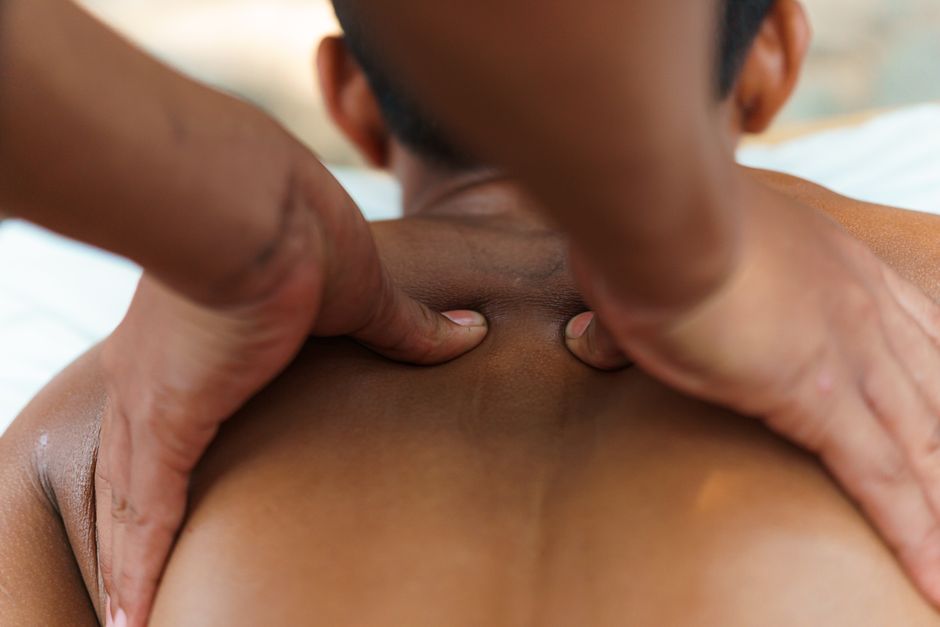
Tight muscles are a common complaint, and the discomfort can range from a mild nuisance to a genuine limit on your daily activities. The most effective way to address muscle tightness is not a single magic trick, but a combination of approaches that target the underlying physiology. To get rid of tight muscles, the seven proven methods are applying heat, performing static stretching, using foam rolling, staying hydrated, addressing electrolyte balance, getting adequate sleep, and maintaining consistent low-intensity movement. These methods work by improving blood flow, signaling the nervous system to relax the muscle, and correcting the imbalances that cause tightness in the first place.
Why Do Muscles Feel Tight in the First Place?
Muscle tightness is often misunderstood. It is rarely a case of the muscle physically being too short. Instead, it is usually a neurological signal. Your brain tells the muscle to stay contracted, even when you want it to relax. This is a protective mechanism, often triggered by overuse, stress, or poor posture.
When a muscle is tight, the muscle spindles—sensors inside the muscle—are sending constant signals to the spinal cord to maintain tension. This is why simply trying to “force” a muscle to relax often fails. You have to work with the nervous system, not against it. The methods below are effective because they either reduce the neurological drive to contract or improve the local environment of the muscle tissue itself.
How To Get Rid Of Tight Muscles 7 Proven Methods: Heat Therapy
Applying heat is one of the fastest ways to relieve muscle tightness. Heat causes blood vessels to dilate, a process called vasodilation. This increases blood flow to the area, bringing oxygen and nutrients while removing metabolic waste products that can contribute to pain and stiffness.
Heat also relaxes the muscle fibers directly. A warm bath, a heating pad, or a warm towel applied for 15 to 20 minutes can significantly reduce the sensation of tightness. This is most effective for chronic tightness or stiffness that has been present for a while. It is less effective for acute injuries where swelling is present, as heat can increase inflammation in those cases.
Static Stretching: The Foundational Method
Static stretching involves holding a position where the muscle is lengthened. The key is to hold the stretch without bouncing. You want to feel a gentle pull, not sharp pain. Hold the position for 20 to 30 seconds and repeat two to three times per muscle group.
The science here is about the stretch reflex. When you hold a stretch, the muscle spindles eventually adapt to the new length and stop firing. This allows the muscle to relax and lengthen. Static stretching is best done after a workout or at the end of the day when muscles are warm. Stretching a cold muscle can increase the risk of injury, so a light warm-up like a brisk walk for five minutes before stretching is advisable.





Foam Rolling and Self-Myofascial Release
Foam rolling is a form of self-massage that targets the fascia, the connective tissue that surrounds muscles. It works on a principle similar to stretching but with added pressure. The pressure from the roller stimulates mechanoreceptors in the tissue, which can help reduce the nervous system’s “fight or flight” signal to the muscle.
Research suggests that foam rolling can increase range of motion without decreasing muscle performance, which makes it a good choice before a workout. It is also effective for post-exercise soreness. When rolling, spend about 30 to 60 seconds on a tight area, moving slowly. If you find a particularly tender spot, hold gentle pressure on it for about 30 seconds until you feel it release.
The Role of Hydration and Electrolytes
Muscle function is heavily dependent on fluid and electrolyte balance. Dehydration can cause muscles to cramp and feel tight. Water is essential for the transport of calcium and potassium across cell membranes, which is the electrical process that makes muscles contract and relax.
If you are low on electrolytes—particularly magnesium, potassium, and sodium—your muscles may struggle to relax after contracting. Magnesium is especially important for muscle relaxation. A deficiency can lead to increased neuromuscular excitability. While the evidence for magnesium supplementation in healthy people with normal levels is limited, ensuring adequate intake through foods like leafy greens, nuts, and seeds is a sound preventive strategy. Sports drinks can help during prolonged exercise, but for everyday tightness, plain water and a balanced diet are usually sufficient.
Low-Intensity Movement and Active Recovery
Counterintuitively, resting completely often makes muscle tightness worse. Gentle movement increases blood flow and helps “reset” the nervous system’s perception of the muscle. Activities like walking, swimming, cycling at a slow pace, or gentle yoga are forms of active recovery.
This works because movement stimulates the muscles to contract and relax in a rhythmic pattern, which helps pump out fluid and reduce stiffness. If you sit at a desk all day, getting up and moving every hour for just two to three minutes can prevent muscles from locking up. The goal is not to push through pain but to keep the tissue mobile and the blood flowing.
Sleep and Stress Management for Muscle Relaxation
Muscle tightness is not only a physical issue; it is also linked to your stress levels and sleep quality. When you are stressed, your body produces cortisol and adrenaline. These hormones keep your muscles in a state of readiness, which translates to tension and tightness, especially in the neck, shoulders, and jaw.
During deep sleep, your body releases growth hormone, which is essential for tissue repair. Poor sleep disrupts this process and can leave muscles feeling tight and unrecovered. Prioritizing 7 to 9 hours of quality sleep and incorporating stress-reduction practices like deep breathing or meditation can have a direct impact on muscle tension. This is not a placebo effect; it is a direct physiological response to changing your autonomic nervous system state.
When Tight Muscles Are Not Just Tightness
It is important to distinguish between simple muscle tightness and conditions that require professional care. If you have a sharp, stabbing pain, swelling, or bruising, you may have a muscle strain or tear and should not aggressively stretch or roll the area.
Persistent tightness that does not improve with these methods after a couple of weeks warrants a medical evaluation. Conditions like myofascial pain syndrome, fibromyalgia, or even nerve compression can mimic the feeling of a tight muscle. A physical therapist can assess your movement patterns and identify the root cause, which may involve weakness in opposing muscle groups rather than just tightness in the affected one.
Also, be aware that certain medications, particularly statins used for cholesterol, can cause muscle pain and tightness. If you notice tightness that started around the same time as a new medication, discuss this with your doctor rather than assuming it is a mechanical issue.
Putting It All Together: A Practical Routine
You do not need to do all seven methods every day to see results. A practical approach is to integrate them based on your schedule and needs. On a typical day, focus on hydration and movement. If you sit for long periods, take micro-breaks to walk and stretch your hips and chest.
After a workout, spend five minutes foam rolling the muscles you used, followed by static stretching of the major groups. In the evening, a warm bath can help you wind down and relax tense muscles. If you notice a specific area that is persistently tight, prioritize that area with heat and targeted stretching. Consistency matters more than intensity. A daily 10-minute routine is more effective than a two-hour session once a week.
What Does Not Work: Myths About Muscle Tightness
Several popular beliefs about muscle tightness are not supported by evidence. The idea that you need to “flush out lactic acid” is outdated. Lactic acid is cleared from muscles within an hour of exercise and is not the cause of delayed tightness or soreness.
Another myth is that you must feel pain to stretch effectively. Pain causes the nervous system to tighten the muscle further as a protective response. Effective stretching should be comfortable and gradual. Similarly, aggressively “popping” or cracking your joints does not address muscle tightness; it only moves the joint, not the muscle tissue. These methods may provide temporary relief but do not change the underlying tension.
Frequently Asked Questions
How long does it take to get rid of tight muscles?
Mild tightness can often improve within a few days of consistent stretching and hydration. Chronic tightness that has developed over months may take several weeks of regular attention to resolve.
Is it better to use heat or ice for tight muscles?
Heat is better for chronic tightness and stiffness because it increases blood flow and relaxes muscle fibers. Ice is better for acute injuries with swelling, as it reduces inflammation.
Can dehydration cause muscle tightness?
Yes, dehydration can directly cause muscle cramps and tightness. Water is required for the electrical processes that allow muscles to contract and relax properly.
Should I stretch a tight muscle even if it hurts?
No. Stretching should produce a gentle pulling sensation, not sharp pain. Pain is a signal that you are overdoing it, and the muscle will tighten further as a protective response.
