
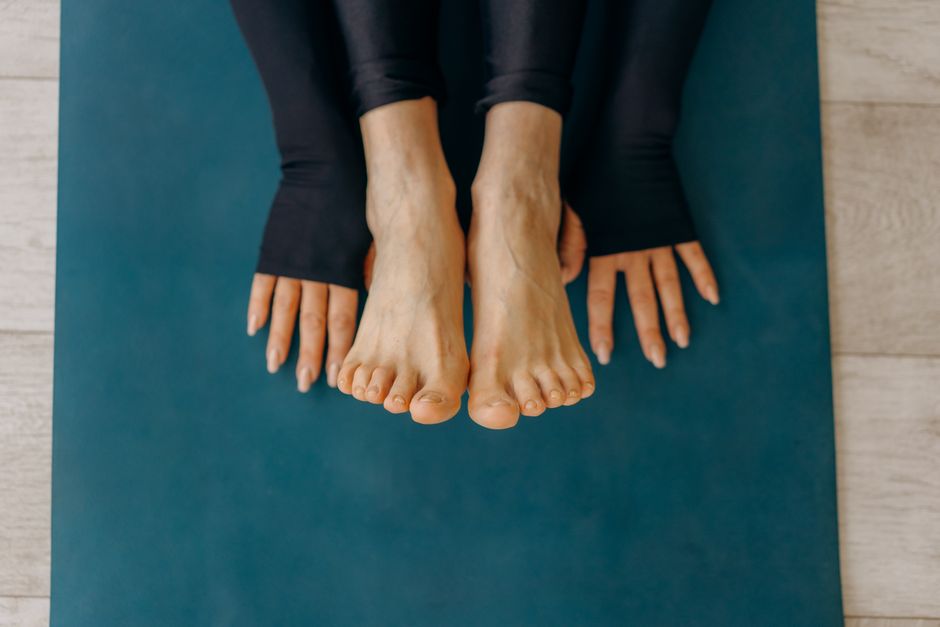
Swollen feet happen when fluid builds up in the tissues, a condition doctors call peripheral edema. To get rid of swollen feet quickly at home, the fastest approach is to elevate your feet above heart level, move your ankles and toes to pump fluid back toward your heart, and reduce the salt and standing time that caused the buildup. Most mild swelling from sitting, standing, or heat responds to these steps within hours. Swelling that comes with pain, redness, warmth, or shortness of breath is a different situation and needs medical care, not home remedies.
Why Do Your Feet Swell in the First Place?
Your body moves fluid through a network of vessels, and gravity is always pulling that fluid downward. When you stand or sit for long periods, the small veins and lymph vessels in your legs have to work against gravity to push fluid back up to your heart.
Several things can tip that balance:
- Gravity and inactivity. Muscles in your calves act as pumps. When you are still, those pumps stop working.
- Sodium and fluid retention. High-salt meals make your body hold water. Hormones and some medications can do the same.
- Heat. Blood vessels widen in warm weather, which lets more fluid leak into surrounding tissue.
- Venous or lymphatic problems. If vein valves weaken or lymph flow is blocked, fluid pools instead of returning.
- Medical conditions. Heart, kidney, liver, and thyroid problems can all cause fluid retention. So can blood clots and infections.
Understanding the cause matters because the right home step depends on why the fluid is there. Swelling from a long flight is not the same as swelling from a failing heart valve.
How To Get Rid Of Swollen Feet Quickly At Home
Elevation is the single most effective home measure for mild swelling. Lying down and raising your feet above the level of your heart lets gravity drain fluid back toward your core. A stack of pillows or a recliner works. Keep your feet up for 15 to 30 minutes at a time, several times a day.
Movement comes next. If you have been sitting, stand and walk around. If you cannot walk, pump your ankles: point your toes down, then pull them up toward your shins, and repeat. This mimics the calf pump that normally pushes venous blood upward. Do this for a minute or two every half hour when you are stuck in a chair.
Cold helps too. A cool compress or a short soak in cool water can reduce the swelling and the heavy feeling. Keep it brief. Prolonged cold is not necessary and can be uncomfortable.
Other steps that support these:
- Cut back on salty foods for the next day or two.
- Take breaks from standing. Sit with your feet up when you can.
- Wear loose footwear. Tight socks and shoes can make swelling worse.
- Skip tight bands around your ankles or calves.
If your doctor has recommended compression stockings, wearing them as directed can help prevent fluid from pooling during the day. Compression works best for swelling caused by vein problems. It is not appropriate for swelling from heart failure or a clot unless a clinician says so.
Does Drinking More Water Help Swollen Feet?
Drinking water does not directly flush out the fluid in your feet, but staying hydrated supports normal kidney function and helps your body regulate sodium. Dehydration can actually make your body hold onto water, so drinking enough is reasonable.
The bigger lever is sodium. Most Americans get far more sodium than the recommended limit. The Dietary Guidelines for Americans advise keeping sodium under 2,300 milligrams per day, and the American Heart Association suggests an ideal limit closer to 1,500 milligrams for many adults. A single restaurant meal can exceed a full day’s limit. If your feet swelled after a salty meal, reducing sodium for the next day or two often helps.
Be cautious about diuretics or “water pills” you buy without a prescription. These are not a home remedy for ordinary swelling, and they can cause problems if you take them without medical guidance. Prescription diuretics are used for specific conditions and are dosed by a clinician.




When Is Swollen Feet a Medical Emergency?
Swelling in one leg only, especially with pain, warmth, or redness, can signal a deep vein clot. That is a medical emergency. A clot can travel to the lungs and become life-threatening. Do not massage the leg or try home remedies. Seek care right away.
Other warning signs that need prompt medical attention:
- Swelling in both legs that comes on suddenly and is getting worse
- Shortness of breath, chest pain, or difficulty breathing
- Swelling with fever, redness, or skin that is hot to the touch
- Swelling that does not improve after a day or two of elevation
- Swelling in the feet along with weight gain, fatigue, or reduced urination
Swelling can also be a side effect of medications, including some blood pressure drugs, steroids, and diabetes medications. If you notice new swelling after starting a medication, tell your prescriber rather than stopping it on your own.
People with heart failure, kidney disease, or liver disease should treat new or worsening swelling as a reason to contact their care team. Home measures may not be enough for these conditions.
Can Swollen Feet Be Prevented?
Prevention depends on the cause, but a few habits help most people. Move regularly. If you sit for work, get up every hour. If you stand all day, take seated breaks with your feet raised.
Manage sodium. Cooking at home and reading labels gives you far more control than eating out. Watch for hidden sodium in canned soups, deli meats, frozen meals, and restaurant sauces.
Wear supportive, well-fitting shoes and avoid tight socks. If you fly or take long car trips, walk the aisle or stop to stretch, and pump your ankles while seated.
If swelling keeps coming back, it is worth a medical visit. Recurrent swelling can be the first sign of a heart, kidney, or vein problem that is easier to manage early. Your doctor can check for causes and, if appropriate, recommend compression or other treatment.
What About Herbal Remedies and Soaks?
Epsom salt soaks are popular, but there is no strong clinical evidence that they reduce swelling. The warm water may feel soothing, and the brief elevation of your feet during a soak may help a little. That said, warm water can worsen swelling in some people because heat dilates blood vessels. Cool water is generally a safer choice for swelling.
Herbal teas and supplements marketed for “water retention” are not well studied for this use. Some can interact with medications or affect blood pressure and kidney function. No clinical evidence currently confirms that these products safely reduce foot swelling.
Massage can feel good and may help move fluid in mild swelling from inactivity, but it should never be used on a leg that is painful, red, or swollen on one side only, because of the clot risk.
Frequently Asked Questions
How long does it take for swollen feet to go down?
Mild swelling from standing, sitting, or heat often improves within a few hours of elevating your feet and moving around. Swelling that lasts more than a day or two despite these steps should be checked by a doctor.
Should I use warm or cold water for swollen feet?
Cool water is generally the better choice because heat can widen blood vessels and make swelling worse. A brief cool soak or compress can reduce the heavy feeling without adding to the fluid buildup.
Can dehydration cause swollen feet?
Yes, in some cases. When your body is low on fluid, it can hold onto sodium and water, which may show up as swelling. Drinking enough water supports normal kidney function and sodium balance.
When should I worry about swollen feet?
Swelling in one leg only, especially with pain, warmth, or redness, needs urgent care because it can signal a blood clot. Swelling with shortness of breath, chest pain, or fever is also a reason to seek medical help right away.
