
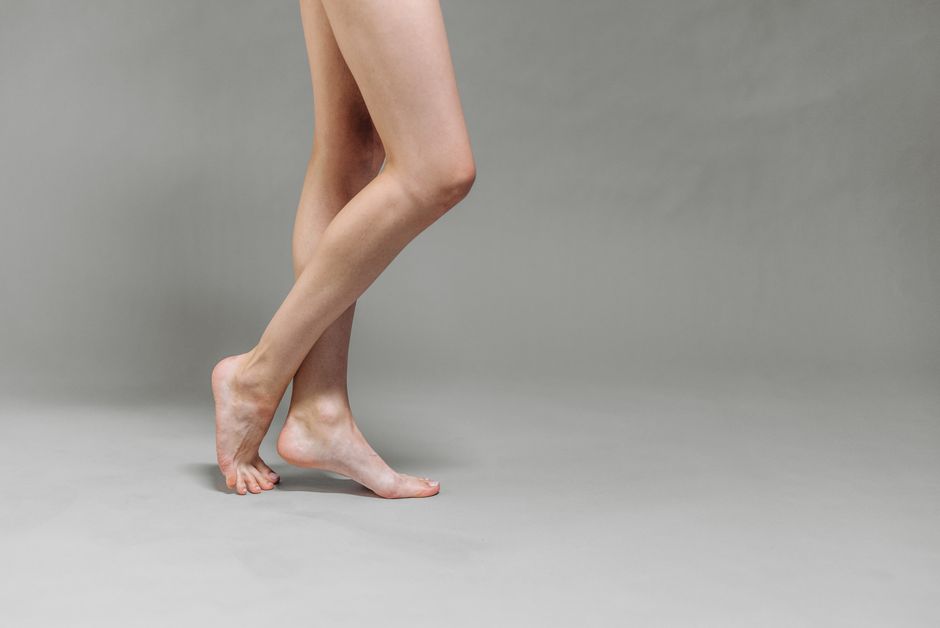
Swollen ankles are a common problem, especially after long days on your feet, hot weather, or long flights. For most people, the swelling is temporary and can be reduced quickly with a few simple steps. The fastest ways to get rid of swollen ankles are to elevate your legs above your heart, apply cold compresses, and move your leg muscles to help pump fluid back toward your heart. These methods directly counter the gravity that pulls fluid down into your lower legs and feet.
Why Do My Ankles Swell in the First Place?
Swelling in the ankles, medically called peripheral edema, happens when fluid builds up in the spaces between your body’s cells. Your circulatory system constantly moves fluid through your blood vessels. When that fluid leaks out into surrounding tissues, or when the veins struggle to push it back upward, it pools in your lower legs.
Gravity is a major factor. When you stand or sit for hours, fluid naturally settles in your ankles and feet. Heat also expands blood vessels, which makes it easier for fluid to leak out. A high-salt meal can cause your body to hold onto extra water. Hormonal changes, especially during pregnancy or the menstrual cycle, can also increase fluid retention.
In many cases, the cause is simple and temporary. But persistent or sudden swelling can signal a medical problem, including heart failure, kidney disease, liver disease, or a blood clot. If your swelling is severe, painful, or comes with chest pain or shortness of breath, seek medical care immediately.
How To Get Rid Of Swollen Ankles Fast: Immediate Steps
The fastest relief comes from working against gravity and encouraging fluid movement. These methods are safe for most people with mild, temporary swelling.
Elevate your legs. Lie down and prop your feet up so they are higher than your heart. This allows gravity to help drain fluid from your ankles back into your circulation. Aim for 15 to 30 minutes. You can use pillows or rest your legs against a wall. The higher your legs are above your heart, the more effective this is.
Move your calf muscles. Your calf muscles act as a pump. When they contract, they squeeze the veins in your lower legs and push blood upward. If you have been sitting, stand up and walk for a few minutes. If you cannot stand, flex and point your feet, or rotate your ankles in circles. Do this for a few minutes every hour while sitting.
Apply cold compresses. Cold causes blood vessels to constrict, which reduces the amount of fluid leaking into the tissues. Wrap an ice pack or a bag of frozen vegetables in a thin towel and apply it to your ankles for 15 to 20 minutes. Do not apply ice directly to your skin, as this can cause frostbite.
Compression socks. Graduated compression socks are tightest at the ankle and loosen as they go up the leg. They gently squeeze the lower leg, which helps push fluid upward and prevents it from pooling. Put them on in the morning when swelling is least. They are available over the counter in most pharmacies.
Reduce your salt intake. Sodium makes your body hold onto water. If you have eaten a salty meal, drinking plenty of water and avoiding more salt for the next day can help your body flush out the excess fluid. This is not an instant fix, but it helps prevent the swelling from getting worse.
How Long Does It Take for Swelling To Go Down?
With elevation and movement, mild swelling often improves noticeably within 30 to 60 minutes. Complete resolution may take several hours or overnight, depending on the cause and how long the fluid has been pooling.
Swelling that develops slowly over hours, like after a long flight, usually responds quickly to these measures. Swelling that has been present for days or weeks may take longer to resolve. If the underlying cause is a medical condition like heart failure or kidney disease, the swelling will not fully resolve until that condition is treated.
If your ankles are still swollen after a day of home treatment, or if the swelling worsens, contact your doctor. Swelling that does not improve with elevation and rest is a reason to seek medical evaluation.




What Actually Works for Long-Term Prevention?
Preventing swollen ankles is often easier than treating them. The same principles apply: keep fluid moving and avoid long periods of inactivity.
Move regularly. If you work at a desk, stand up and walk for two to three minutes every hour. If you sit on a long flight or car ride, flex your ankles and walk the aisle or rest stops when possible.
Stay hydrated. Drinking enough water helps your kidneys flush out excess sodium and fluid. When you are dehydrated, your body holds onto water to compensate.
Watch your weight. Excess body weight puts more pressure on the veins in your legs, making it harder for blood to return to your heart. Losing weight, if needed, can reduce the frequency and severity of ankle swelling.
Exercise regularly. Walking, swimming, and cycling are excellent for leg circulation. Regular exercise strengthens the calf muscle pump and improves overall vein health.
Limit alcohol. Alcohol can cause dehydration and fluid retention. Drinking in moderation, or not at all, may help prevent swelling.
When Is Swelling a Sign of Something Serious?
Most ankle swelling is harmless. But sometimes it is a warning sign. You should seek medical attention promptly if your swelling is accompanied by any of the following:
- Swelling in only one leg, especially if it is painful, warm, or red
- Shortness of breath or difficulty breathing
- Chest pain or pressure
- Swelling that develops suddenly or rapidly
- Skin that pits when pressed and does not bounce back
- Swelling that does not improve with elevation
Swelling in only one leg can be a sign of a deep vein thrombosis, a blood clot that requires urgent treatment. Swelling in both legs along with shortness of breath can indicate heart failure. Sudden swelling in pregnancy can be a sign of preeclampsia, a serious condition that requires immediate medical care.
Do not try to diagnose yourself. If you are concerned, see a doctor. They can run tests to determine the underlying cause and recommend the right treatment.
Do Diuretics Help With Swollen Ankles?
Diuretics, often called water pills, are medications that make your kidneys produce more urine. They are commonly prescribed for swelling caused by heart failure, kidney disease, or liver disease. They are not recommended for temporary ankle swelling from sitting or standing.
Taking a diuretic without a prescription is dangerous. They can cause dehydration, electrolyte imbalances, and kidney damage. They can also mask an underlying medical problem. If your swelling is persistent, see a doctor rather than attempting to self-treat with diuretics. Some clinicians recommend natural diuretics like dandelion tea or parsley, but no strong clinical evidence confirms these are effective for reducing ankle swelling. The evidence for these herbal remedies is limited.
Does Elevation Actually Work, or Is It a Myth?
Elevation works. It is not a myth. The mechanism is simple physics: fluid follows gravity. When your legs are below your heart, gravity pulls fluid downward into the tissues. When your legs are above your heart, gravity helps drain that fluid back into your central circulation.
Studies consistently show that leg elevation reduces lower extremity swelling. It is a standard recommendation in hospitals for patients with edema. However, it is a temporary measure. When you stand back up, fluid will begin to accumulate again if the underlying cause remains. For lasting relief, you must also address the reason fluid is pooling in the first place, whether that is inactivity, excess salt, or an underlying medical condition.
Are There Any Home Remedies That Actually Work?
Some home remedies have solid evidence behind them. Others are popular but unproven. Here is the honest breakdown.
Epsom salt soaks. Soaking your feet in cool water with Epsom salt may provide temporary relief, but the evidence is limited. The magnesium in Epsom salt is not well absorbed through the skin. The benefit likely comes from the cool water and the time spent with your feet elevated, not the salt itself.
Apple cider vinegar. There is no clinical evidence that apple cider vinegar reduces ankle swelling. This is a viral health myth without scientific support. Do not rely on it.
Massage. Gentle massage that moves fluid toward the heart can help. Always stroke upward from the ankle toward the knee. Avoid deep or forceful massage, which can damage blood vessels, especially if you have poor circulation or a blood clot.
Hydration. Drinking water may seem counterintuitive when you are trying to get rid of fluid, but it helps. When your body senses dehydration, it holds onto water. Drinking enough fluids signals your kidneys that it is safe to release excess fluid and sodium.
Frequently Asked Questions
How long does it take for swollen ankles to go down?
Mild swelling often improves within 30 to 60 minutes of elevation and movement. Complete resolution may take several hours or overnight depending on the cause.
Is walking good for swollen ankles?
Yes, walking activates the calf muscle pump, which helps push fluid out of your lower legs. Short, frequent walks are better than one long walk followed by hours of sitting.
Can drinking more water reduce ankle swelling?
Yes, staying hydrated helps your kidneys flush out excess sodium and fluid. Dehydration causes your body to hold onto water, which can worsen swelling.
When should I worry about swollen ankles?
Seek medical care if swelling is in only one leg, is painful or warm, comes with shortness of breath, or does not improve with elevation. These can be signs of a blood clot or heart problem.
