
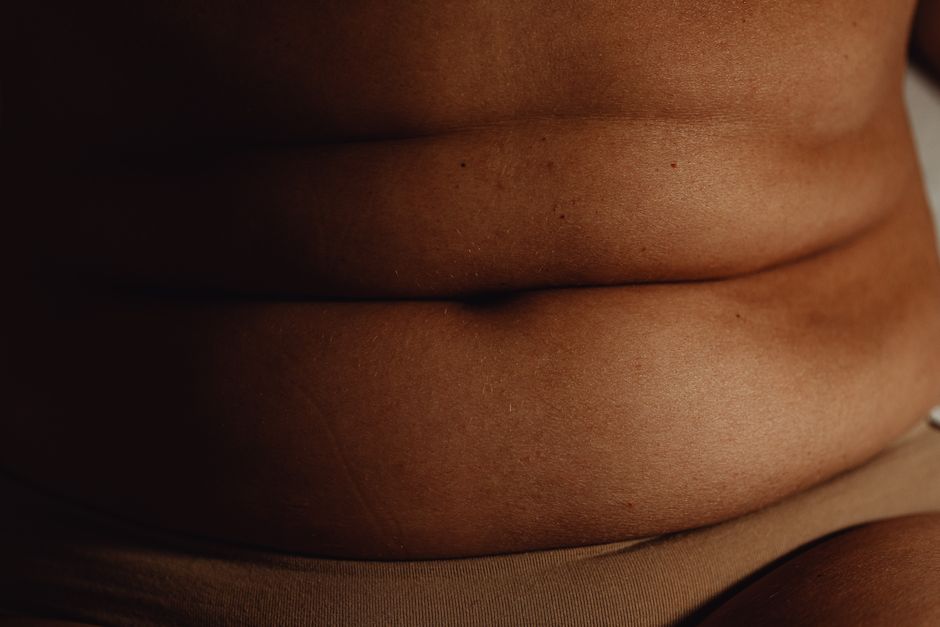
You cannot spot-reduce belly fat with crunches, and no food or supplement targets it specifically. Stubborn tummy fat comes off the same way fat comes off anywhere else — through a sustained calorie deficit, regular physical activity, adequate sleep, and managing stress. What makes belly fat feel stubborn is largely biology: visceral fat around the organs behaves differently from fat under the skin, and it responds to hormones, age, and genetics as much as to diet and exercise.
That is not a reason to give up. It is a reason to stop chasing tricks and focus on the levers that actually work.
Why Does Belly Fat Feel So Stubborn?
Belly fat is not one thing. It is two distinct types, and they behave differently.
Subcutaneous fat sits just under the skin. You can pinch it. It is the soft layer most people associate with a “belly.” Visceral fat lies deeper, packed around the liver, intestines, and other organs. You cannot pinch it, but it is the type more closely linked to health risks like insulin resistance and cardiovascular disease.
Fat cells do not release their stored energy evenly across the body. Where fat comes off first is largely determined by genetics, sex, and hormones — not by which exercises you do. This is why some people lose weight in their face or arms before their midsection changes at all.
Age adds another layer. Hormonal shifts — including declining estrogen in women during and after menopause and declining testosterone in men — tend to favor fat storage in the abdominal region. Muscle loss that often accompanies aging lowers resting calorie burn, which makes the same habits that once kept weight stable less effective over time.
None of this means belly fat is immune to change. It means the change follows whole-body fat loss, not targeted effort.
How To Get Rid Of Stubborn Tummy Fat: What Actually Works
Belly fat responds to a sustained calorie deficit — burning more energy than you take in — combined with habits that support fat loss rather than fight it. There is no shortcut around this principle, but several evidence-based strategies make it more achievable.
1. Create a modest calorie deficit. A deficit of roughly 500 calories per day is a common clinical starting point for gradual weight loss, though individual needs vary widely. Larger deficits are harder to sustain and increase the risk of losing muscle along with fat. Whole foods — vegetables, legumes, lean protein, whole grains — tend to keep you fuller per calorie than highly processed foods, which makes a deficit easier to maintain.
2. Prioritize protein. Protein supports muscle retention during weight loss and tends to increase satiety. Research consistently shows higher protein intake helps preserve lean mass when calories are reduced. Good sources include fish, poultry, eggs, Greek yogurt, beans, and tofu.
3. Lift weights. Resistance training helps preserve muscle during weight loss. Since muscle burns more energy at rest than fat, maintaining it supports long-term weight management. Two to three sessions per week is a reasonable general target for most adults, though beginners should start lighter and build up.
4. Move more throughout the day. Structured exercise matters, but so does daily movement — walking, taking stairs, standing more. Some research suggests non-exercise activity can account for a meaningful share of daily calorie burn. A brisk 30-minute walk most days is a realistic starting point for many people.
5. Get enough sleep. Short sleep is associated with higher levels of ghrelin (a hunger hormone) and lower levels of leptin (a satiety hormone). Studies have linked chronic sleep restriction to increased calorie intake and weight gain. Most adults need seven to nine hours per night.
6. Manage stress. Chronic stress raises cortisol, which is associated with increased abdominal fat storage. The relationship is complex and not fully understood, but stress management — through exercise, relaxation practices, or social support — is a reasonable part of any weight management plan.
Why Crunches and Ab Exercises Do Not Work
Spot reduction — the idea that exercising a specific body part burns fat from that area — does not work. This is one of the most well-established findings in exercise science.
Ab exercises strengthen and build the abdominal muscles. They do not preferentially burn fat from the belly. A person can have strong abdominal muscles and still carry visible belly fat, because the fat sits above the muscle.
Core training still has value. Strong core muscles support posture, balance, and lower back health. They simply are not a fat-loss tool.





What About Diet Trends and Supplements?
No supplement has been shown in large, well-controlled human trials to specifically target belly fat. Products marketed for “belly fat burning” or “spot reduction” rely on claims that do not hold up under scrutiny.
Some popular diet approaches — low-carbohydrate diets, intermittent fasting, and higher-protein plans — have produced weight loss in studies. But when calories are matched, research generally shows similar results across diet types. The best diet is the one a person can sustain.
One clarification worth making: a “flat stomach” is not the same as good health. Visceral fat matters for health, but visible belly size is influenced heavily by genetics and body type. Some people with healthy metabolic markers carry more visible belly fat than others. Waist circumference is a useful clinical measure — generally, increased health risk is associated with a waist above 40 inches in men and 35 inches in women — but it is one measure among several, not a verdict on your health.
How Long Does It Take to See Results?
Most people who sustain a calorie deficit begin to notice changes in body composition within several weeks, though visible belly changes often take longer than changes elsewhere. Fat loss tends to be gradual — roughly one to two pounds per week is a commonly cited sustainable rate, though this varies with starting weight, activity, and adherence.
The timeline is not a reason for concern if progress feels slow. Fat loss is rarely linear. Plateaus are common and usually reflect changes in water retention, muscle gain, or gradual drift in calorie intake rather than a failure of the plan.
What matters more than speed is consistency over months, not weeks.
When to Talk to a Doctor
Belly fat that accumulates rapidly, especially alongside symptoms like fatigue, high blood pressure, or changes in blood sugar, warrants a medical conversation. These can be signs of conditions such as metabolic syndrome or hormonal disorders that require clinical assessment.
Anyone with a BMI of 30 or higher, or a waist measurement above the thresholds noted earlier, may benefit from discussing weight management with a healthcare provider. Clinical guidance exists for these situations, and a doctor can help identify whether an underlying condition is contributing.
This article is informational. It does not replace individualized medical advice.
Frequently Asked Questions
Can you target belly fat with exercise?
No. Spot reduction does not work — exercise burns fat from the whole body, not from the specific area being trained. Ab exercises strengthen core muscles but do not preferentially reduce belly fat.
What is the fastest way to lose belly fat?
There is no fast, safe shortcut. A sustained calorie deficit combined with resistance training, adequate protein, sleep, and daily movement is the approach most consistently supported by evidence. Rapid weight loss is harder to maintain and increases muscle loss.
Do waist trainers or belly wraps work?
No clinical evidence supports waist trainers or belly wraps for fat loss. They may temporarily compress the midsection but do not reduce fat.
Is belly fat worse than fat elsewhere?
Visceral fat — the fat around internal organs — is more strongly linked to health risks like insulin resistance and cardiovascular disease than subcutaneous fat. Waist circumference is a useful clinical measure of this risk.
