
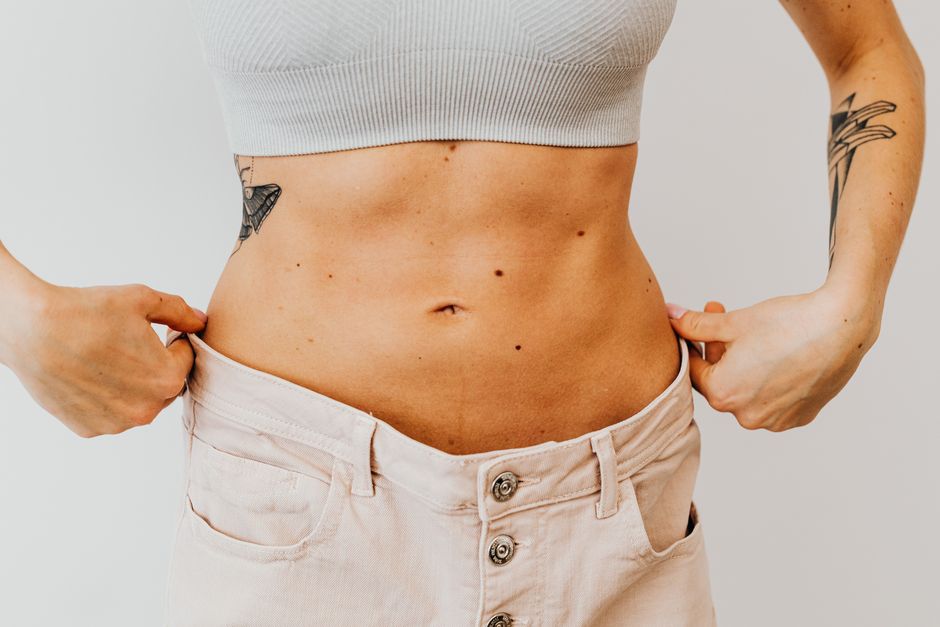
No, crunches do not lose belly fat. Spot reduction — the idea that exercising one body area burns fat from that area — does not work. Crunches strengthen your abdominal muscles, but they cannot target the fat sitting on top of them. Fat is lost from the whole body, not from the muscle you happen to be working.
This is one of the most persistent myths in fitness. It survives because the logic feels right: work the abs, shrink the abs. But the body does not run on that logic. Here is what actually happens when you do crunches, and what genuinely moves the needle on belly fat.
Why Can’t You Spot-Reduce Belly Fat With Crunches?
Fat is stored as a single energy reserve across your whole body, and your body draws on it through a process controlled by hormones — not by which muscle is moving.
When you exercise, your body releases fat from fat cells into the bloodstream to be used as fuel. This release happens body-wide. A landmark study published in the Journal of Applied Physiology found that exercising one limb did not preferentially burn fat from that limb. The working muscle used local fat stores and fuel from circulation, but the overall fat loss was not concentrated in the area being trained.
Crunches do build the rectus abdominis — the muscle that runs down the front of your torso. A stronger muscle is a real outcome. It just does not change the fat layer covering it. You can have very strong abs and still have a layer of fat over them. That is why some people with well-trained cores never see definition.
There is a second reason crunches disappoint. They burn very few calories. A set of crunches is a low-energy movement. Even a long ab routine burns a small fraction of what a brisk walk or a full-body workout does in the same time. Fat loss depends on a calorie deficit, and crunches barely move that total.
What Actually Causes Belly Fat?
Belly fat builds when you take in more energy than you use over time, but the picture is more nuanced than that. Where you store fat is influenced by genetics, age, sex, and hormones.
Men tend to store fat around the abdomen more than women do, especially with age. Women often store fat in the hips and thighs before menopause, then see more abdominal storage afterward as estrogen levels fall. This is a normal hormonal shift, not a personal failing.
There are two kinds of belly fat, and the difference matters for health. Subcutaneous fat sits just under the skin — the kind you can pinch. Visceral fat sits deeper, wrapped around the organs. Visceral fat is the one linked more strongly to health problems like type 2 diabetes and heart disease. You cannot see or pinch visceral fat directly, and you cannot target it with a specific exercise either.
Other factors that contribute to abdominal fat include poor sleep, ongoing stress, heavy alcohol intake, and a diet high in refined carbohydrates and added sugar. None of these are fixed by doing more crunches.
What Is the Best Way to Lose Belly Fat?
The most reliable path to losing belly fat is a sustained calorie deficit combined with regular physical activity — and the activity does not need to be ab work.
Research consistently shows that aerobic exercise reduces both subcutaneous and visceral fat when it is done consistently and paired with a reasonable diet. Brisk walking, cycling, swimming, and jogging all count. Resistance training helps preserve muscle mass while you lose fat, which keeps your metabolism from slowing as much. Neither of these is a spot treatment. They work because they raise your overall energy use and support a healthier body composition.
Diet deserves more attention than most ab routines get. Reducing added sugar and refined starches, eating enough protein, and keeping portions in check are the levers that most reliably create the calorie deficit fat loss requires. No exercise can out-train a poor diet for most people.
Sleep and stress are not soft factors. Short sleep and chronic stress are both linked to higher abdominal fat storage, partly through hormones like cortisol. Getting enough sleep is a genuine part of the picture, not an optional extra.





Do Crunches Have Any Value at All?
Crunches build abdominal strength and endurance, and that has real benefits. A stronger core supports posture, helps with everyday movements like lifting and bending, and contributes to stability during other exercise.
What crunches do not do is flatten your stomach or reveal your abs. Visible abdominal definition requires a low enough body fat percentage — usually the result of overall fat loss, not ab training. Some people train their core for years and never see definition because their body fat stays above the level needed to show it.
It is also worth knowing that crunches are not the only or even the best core exercise. Planks, dead bugs, and other anti-rotation movements train the core to resist movement, which is closer to how your trunk actually works in daily life. Some clinicians and trainers now favor these over repeated spinal flexion like crunches, partly out of concern for lower back strain in people with existing back issues. That concern is reasonable but not universal — crunches are not dangerous for everyone.
Can You Lose Belly Fat Without Exercise?
Fat loss is driven mainly by energy balance, so diet changes alone can reduce belly fat. Many people lose meaningful abdominal fat through dietary changes without any formal exercise program.
Exercise still adds value. It helps preserve muscle, supports heart and metabolic health, and makes it easier to maintain fat loss over time. But if the question is whether you must do crunches to lose belly fat, the answer is clearly no — and doing them will not speed up the process much.
The honest framing is this: belly fat responds to overall energy balance and lifestyle, not to any single movement. That is less satisfying than a targeted exercise, but it is what the evidence shows.
Why Does the Spot Reduction Myth Persist?
Spot reduction survives because it is intuitive and because fitness marketing profits from it. An ab-focused product or routine promises a specific, visible result, and that promise sells.
There is also a grain of truth that gets distorted. Crunches do change the muscle underneath. If someone loses fat through diet and exercise while also training their core, their abs may look more defined. The crunches get the credit, but the fat loss did the real work. This is a common confusion, and it is worth separating the two.
One clarification that genuinely helps: a stronger core and a smaller waist are two separate goals that require two different approaches. Training builds muscle. Fat loss changes the layer over it. You can pursue both at once, but no single exercise does both.
What Should You Do Instead of Crunches for Belly Fat?
Build a plan around whole-body movement, a sustainable diet, and recovery. Here is where the evidence points:
- Move more overall. Aim for regular aerobic activity most days. Walking counts and is easy to sustain.
- Add resistance training. Two or more sessions a week help preserve muscle while you lose fat.
- Fix the diet first. Cut added sugar and refined carbs, eat enough protein, and watch portions.
- Protect sleep and manage stress. Both affect hormones tied to abdominal fat storage.
- Keep some core work if you enjoy it. Crunches and planks build strength — just do not expect them to melt belly fat.
No single exercise reverses belly fat. The combination of a calorie deficit, consistent activity, and good sleep is what moves the number on the scale and the fat around your middle.
Frequently Asked Questions
Do crunches burn belly fat?
No. Crunches strengthen abdominal muscles but do not burn fat from the belly specifically, because the body does not spot-reduce fat. Fat loss happens across the whole body through a calorie deficit.
How many crunches a day to lose belly fat?
No number of crunches will lose belly fat, because the exercise does not target fat in that area. Fat loss depends on overall energy balance, not on how many reps you do.
What exercise burns the most belly fat?
No exercise targets belly fat specifically. Regular aerobic activity and resistance training support overall fat loss when combined with a calorie deficit.
Can you have abs without losing belly fat?
You can build strong abdominal muscles without losing belly fat, but visible abs require a low enough body fat percentage. That comes from overall fat loss, not from ab exercises alone.
