
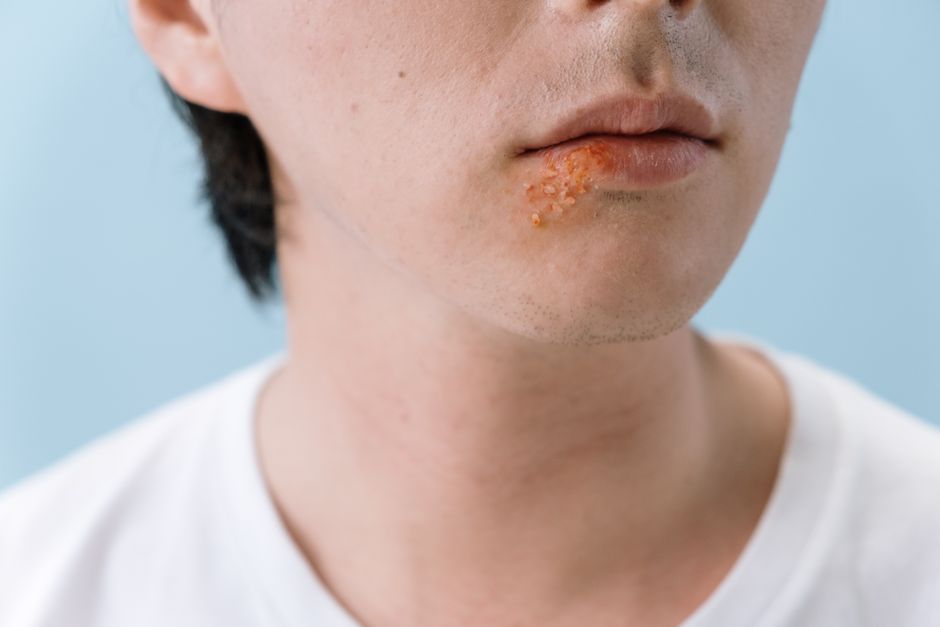
Mouth sores are painful, but most clear up on their own within one to two weeks. You can speed up healing and reduce pain with simple home care like saltwater rinses, over-the-counter gels, and avoiding irritating foods. If a sore lasts longer than two weeks, grows, or spreads, see a doctor or dentist to rule out other conditions.
What Causes Sores in the Mouth?
Mouth sores have many causes, and knowing the type helps you treat it correctly. The most common are canker sores, which are small, shallow ulcers inside the lips, cheeks, or under the tongue. They are not contagious and are not the same as cold sores.
Cold sores, also called fever blisters, are caused by the herpes simplex virus. They usually appear on the outside of the lips and are contagious. Other causes of mouth sores include biting your cheek, burning your mouth on hot food, braces rubbing against soft tissue, and food sensitivities.
Some medical conditions also cause mouth sores. These include celiac disease, inflammatory bowel disease, and vitamin deficiencies, particularly low levels of vitamin B12, folate, or iron. Stress and hormonal changes can trigger canker sores in some people, though the exact reason is not fully understood.
How To Get Rid Of Sores In Your Mouth Fast
For most mouth sores, the goal is pain relief while the tissue heals. Saltwater rinses are a first-line home treatment. Mix half a teaspoon of salt in a glass of warm water and swish it around your mouth for 30 seconds. Do this two to three times a day. The salt helps clean the area and may reduce inflammation, though it does not cure the sore itself.
Over-the-counter topical gels and pastes can numb the sore and protect it from further irritation. Look for products containing benzocaine or other oral pain relievers. Apply a small amount directly to the sore with a clean finger or cotton swab. These products do not speed healing, but they make eating and talking more comfortable.
A simple baking soda paste is another option. Mix a small amount of baking soda with a few drops of water to make a thick paste. Apply it to the sore and leave it on for a few minutes before rinsing. Some people find this soothing, though clinical evidence for its effectiveness is limited.
If you have a cold sore on your lip, over-the-counter creams containing docosanol can shorten healing time if applied early. Prescription antiviral medications are available for frequent or severe outbreaks. These work best when started at the first sign of a blister.
Foods to Avoid and Foods That Help
Certain foods make mouth sores worse. Avoid anything spicy, salty, acidic, or rough while a sore is active. This includes citrus fruits, tomatoes, vinegar-based dressings, potato chips, and crusty bread. Hot beverages can also irritate the sore and prolong discomfort.
Cold, soft foods are generally easier to tolerate. Yogurt, smoothies, applesauce, and mashed potatoes cause less friction against the sore. Drinking through a straw can help you avoid direct contact with the painful area, though this is not a treatment.
There is no strong evidence that any specific food heals mouth sores faster. However, maintaining adequate nutrition matters because nutrient deficiencies can contribute to recurrent sores. If you get canker sores often, ask your doctor about testing for vitamin B12, folate, and iron levels.




When Home Care Is Not Enough
Most mouth sores heal without medical treatment. But some situations require professional care. See a doctor or dentist if a sore lasts longer than two weeks, if it grows in size, or if you get new sores while old ones are still healing.
Also seek care if the sore makes it hard to drink fluids, which can lead to dehydration. A sore that bleeds, becomes increasingly painful, or is accompanied by a fever needs evaluation. Sores that appear after starting a new medication should also be checked.
Recurrent mouth sores that happen more than a few times a year may point to an underlying condition. A healthcare provider can evaluate for causes like autoimmune disease, nutritional deficiencies, or food allergies. Do not assume frequent sores are normal without asking a professional.
Prescription Treatments for Stubborn Sores
When home care fails, a doctor can prescribe stronger treatments. Prescription mouthwashes containing chlorhexidine or a corticosteroid can reduce inflammation and pain. These are typically used for canker sores that are large, painful, or frequent.
Topical corticosteroid gels like triamcinolone can be applied directly to the sore. These reduce inflammation and may shorten healing time, but they are not appropriate for viral sores like cold sores. Using steroids on a viral infection can make it worse.
For cold sores, prescription antiviral pills such as acyclovir or valacyclovir are effective when taken at the first sign of an outbreak. These medications reduce the duration of the outbreak and the severity of symptoms. They require a prescription and are not necessary for most people who only get occasional cold sores.
No prescription treatment works for every type of mouth sore. The right choice depends on the cause, which is why an accurate diagnosis matters before starting any treatment.
How to Prevent Mouth Sores From Coming Back
Prevention depends on the cause, which means identifying your triggers. If you bite your cheek or lip often, paying attention to this habit can help. If braces or dental appliances cause sores, ask your dentist about wax or other protective coverings.
For people with recurrent canker sores, avoiding known trigger foods may reduce outbreaks. Common triggers include nuts, chocolate, coffee, strawberries, eggs, cheese, and acidic foods. Keeping a food diary can help you identify your personal triggers, though this approach has not been well studied.
Managing stress may help if stress triggers your sores. Regular exercise, adequate sleep, and relaxation techniques are reasonable strategies, though their effect on mouth sore frequency is not well documented in clinical studies.
If you get cold sores, know your triggers. Sun exposure, stress, and illness are common ones. Using lip balm with sunscreen may help prevent sun-triggered cold sores. If you get more than a few outbreaks per year, talk to a doctor about daily antiviral medication to suppress them.
What Not to Do When You Have a Mouth Sore
Do not pop or pick at mouth sores. This can introduce bacteria, increase pain, and slow healing. For cold sores, picking at the blister can spread the virus to other parts of your face or to other people.
Avoid alcohol-based mouthwashes while you have a sore. These can sting severely and may delay healing by irritating the exposed tissue. Stick to saltwater rinses or plain water until the sore resolves.
Do not share utensils, cups, or lip balm if you have a cold sore. The herpes virus spreads easily through direct contact. Canker sores are not contagious, but cold sores are.
Be cautious with unproven home remedies found online. Some people recommend applying tea tree oil, hydrogen peroxide, or other substances directly to mouth sores. These can damage healthy tissue and are not supported by clinical evidence. Stick to treatments with a track record of safety.
Frequently Asked Questions
How long do mouth sores last?
Most canker sores heal within one to two weeks without treatment. Cold sores usually crust over and heal within the same time frame, though the first outbreak can last longer.
Can I pop a mouth sore?
No. Popping a mouth sore increases the risk of infection and slows healing. For cold sores, popping can spread the virus to other areas of your face or to other people.
Are mouth sores a sign of cancer?
Rarely. Most mouth sores are benign, but a sore that does not heal within two weeks should be evaluated by a professional. Persistent, painless sores or lumps in the mouth warrant prompt medical attention.
Is salt water or baking soda better for mouth sores?
Both can provide relief, and neither is clearly superior. Saltwater rinses are better studied and are the more common recommendation. Baking soda paste may help some people, but clinical evidence is limited.
